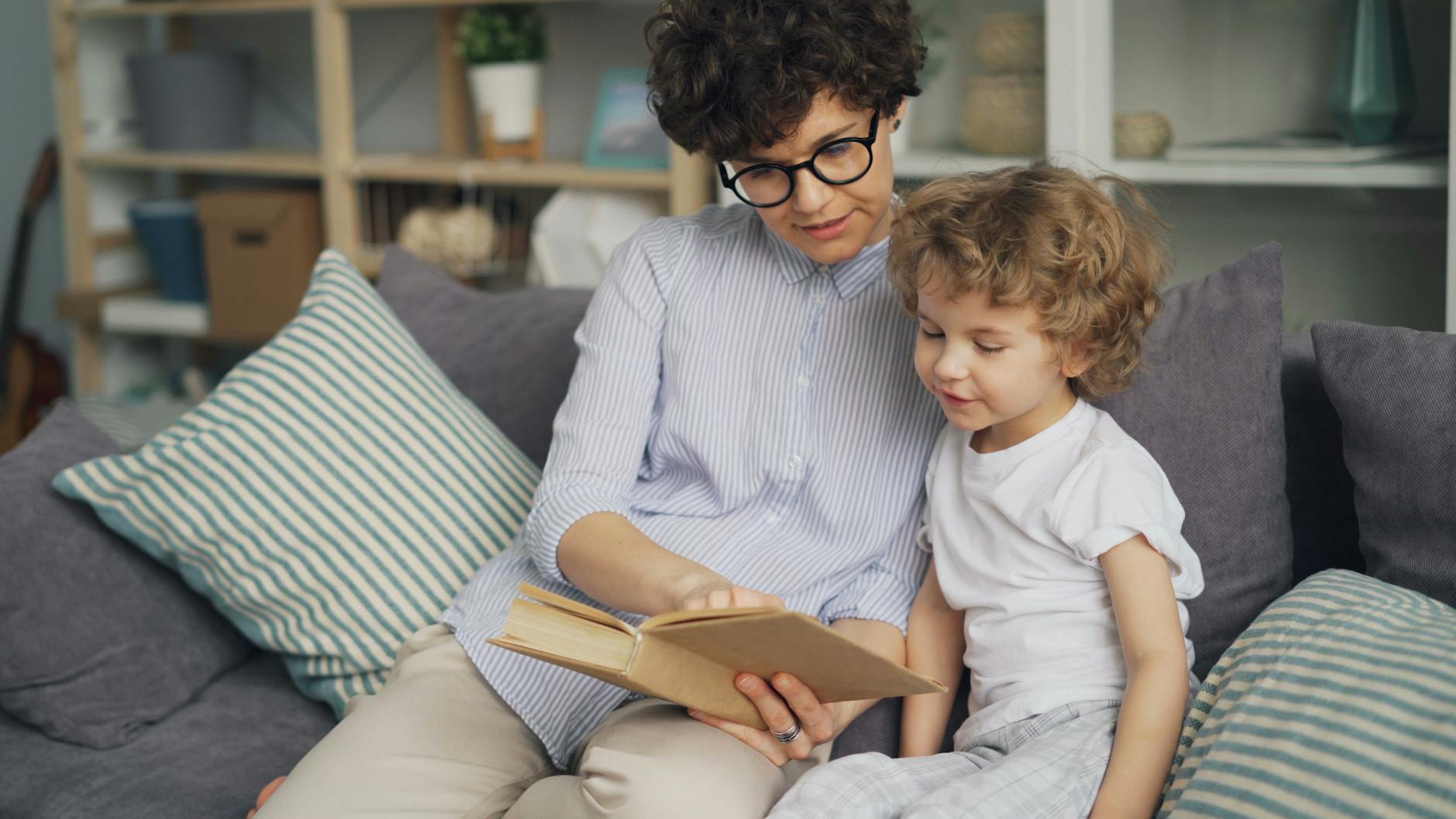
Why You Should Keep Reading Aloud to Your Older Kids
Most families stop reading aloud when children can read independently. This is one of the most common and most regrettable mistakes in home education. Here is why it matters to keep going.
A child learns to read, and the read-aloud stops.
This is one of the most common patterns in homeschooling, and one of the most unfortunate.
Reading aloud to children who can already read is not remedial and it is not babying. It is one of the most efficient and most pleasurable things you can do in a homeschool, and the benefits do not diminish with age — in many ways, they increase.
What Reading Aloud Does for Older Children
Vocabulary and comprehension above reading level. A child who reads at a fifth-grade level can comprehend material read aloud to them at a much higher level. Their listening comprehension exceeds their reading comprehension by two to three years. Reading aloud to them accesses books they could not yet read independently — and builds the vocabulary and comprehension that will eventually allow them to read those books themselves.
Exposure to more complex writing. The books that adults read aloud tend to be richer, longer, more syntactically complex than what a child selects independently. The child is exposed to a level of language they would not naturally access.
Shared conversation and connection. A book that a family reads together becomes shared territory. References, characters, and situations that a child heard in the read-aloud populate the family's common language for years. "Like so-and-so in the book" is shorthand that only exists if you read the book together.
The experience of being read to. There is something distinct about being read to — about having someone else's voice bring a story to life — that differs from reading silently. Even adults who read voraciously often love being read to when the opportunity arises.
What to Read Aloud to Older Children
The best read-alouds for older children are books that are genuinely engaging and that reward the kind of attention a read-aloud requires.
Historical fiction. Johnny Tremain, The Witch of Blackbird Pond, Hilary Mantel's Wolf Hall for high schoolers. Stories set in other times and places produce both engagement and incidental history.
Classic adventure. Treasure Island, Robinson Crusoe, Twenty Thousand Leagues Under the Sea. These hold attention reliably even in children who claim to dislike reading.
Science-adjacent narrative. The Hot Zone, Longitude, The Radium Girls. True stories with the pacing of fiction. Work well for science-skeptical readers.
Mythology and epic. The Iliad and Odyssey in translation, Norse mythology, the Mahabharata. Rich material that rewards oral delivery.
Nonfiction that reads like narrative. David McCullough's history, Annie Dillard's nature writing, anything by Mary Roach.
How to Make It Work with Older Kids
Older children sometimes resist read-alouds. Strategies that help:
Give them something to do with their hands. Drawing, knitting, LEGOs, folding laundry — many older children listen better when their hands are occupied. The listening is not diminished by the parallel activity.
Choose books they would not choose themselves. The read-aloud is a chance to introduce books that a child would never select independently — something your judgment chooses for them. The best read-alouds for teens are often books the teen was convinced they would hate.
Read at a consistent time. The read-aloud that happens every day after lunch becomes expected and anticipated. The one that happens whenever-you-get-to-it gets dropped.
How Long Should a Read-Aloud Session Be?
It depends on the age and the book.
With young children, twenty to thirty minutes is often plenty. With older children and teenagers, forty-five minutes to an hour is common, especially when the book is gripping.
The session length that works is the length that leaves everyone wanting a little more. Stop before the energy drops. Stop at a cliffhanger when you can. "We'll find out tomorrow" has kept more than one child asking to read aloud longer than they normally would.
If you are reading a chapter book, aim for a chapter or two per session rather than timing by the clock. Natural chapter breaks give everyone a sense of completion and forward momentum.
What About Children Who Resist Being Read To?
Some older children, particularly those who are strong independent readers, resist being read aloud to. "I can read it myself" is the common objection.
Acknowledge it. Then read to them anyway, if you can.
The argument that works: "I know you can read it yourself. We are doing this because we want to experience it together, not because you need me to read it for you."
Some children remain resistant. If a child genuinely hates being read aloud to and the read-aloud is poisoning the relationship, it is not worth forcing. But most children who claim to resist actually settle in quickly once the book is good enough. The selection matters. The right book makes the resistance disappear.
Reading Aloud to Teenagers
Many families stop reading aloud when their children reach early adolescence. The assumption is that teenagers want independence and would find being read to childish.
In our experience, this is wrong. Teenagers often respond to read-alouds more richly than younger children, because they bring more to the conversation. They catch irony. They ask harder questions. They argue with the author. They connect the book to things happening in their own lives in ways that younger children cannot.
Some of our most memorable read-aloud conversations have happened in the high school years. Orwell's 1984, which sparked a three-week conversation about surveillance and freedom. All Quiet on the Western Front, which changed how one of our children thought about war. The Brothers Karamazov, attempted in small installments with a seventeen-year-old who was skeptical and then was not.
None of these are gentle picture books. All of them repaid the effort of reading together rather than alone.
The Books That Work Best Read Aloud
Not every book works equally well read aloud. The qualities that make a book work well in this format:
- Strong voice. The language sounds good spoken.
- Plot momentum. There is enough happening to sustain attention session by session.
- Natural chapter breaks. Places where the reading can stop without frustration.
- Something to talk about. Ideas, moral complexity, characters who raise questions.
A few books that have worked especially well for us in the older years: The Count of Monte Cristo, which is enormous but holds attention completely. A Wrinkle in Time, which works for a wider age range than you might expect. Anne of Green Gables with girls in early adolescence. The Chosen by Chaim Potok for discussions about culture, identity, and belonging. Watership Down, which works for children from about ten through adulthood.
Start with whatever your children are most likely to engage with. The habit matters more than the specific book in the first months. Build the habit, then gradually expand the range.
Our favorite read-alouds for every age has curated lists including middle school and high school picks. And living books: what they are explains why the books you choose for read-alouds matter so much.
Written by
The High Vibe Homeschool Team
We are a homeschool family that has been doing this for seven years across three kids. We write about what we have actually tried, what failed, what surprised us, and what we would do again. No credentials. Just lived experience.
ENJOYED THIS ARTICLE?
Get more like it every week
Real homeschool life, in your inbox.
Keep Reading
More in Daily Life
 Daily Life
How to End the Homeschool Year Well
The end of the homeschool year deserves more than quietly stopping. Here is how we close out the year intentionally — what we review, what we celebrate, and how we rest well before the next one begins.
 Daily Life
Homeschool Summer: How to Rest Without Losing Everything You Built
Summer in a homeschool is not the same as summer vacation. Here is how we structure ours — enough rest to restore everyone, enough continuity to make September feel like a continuation rather than a restart.
 Daily Life
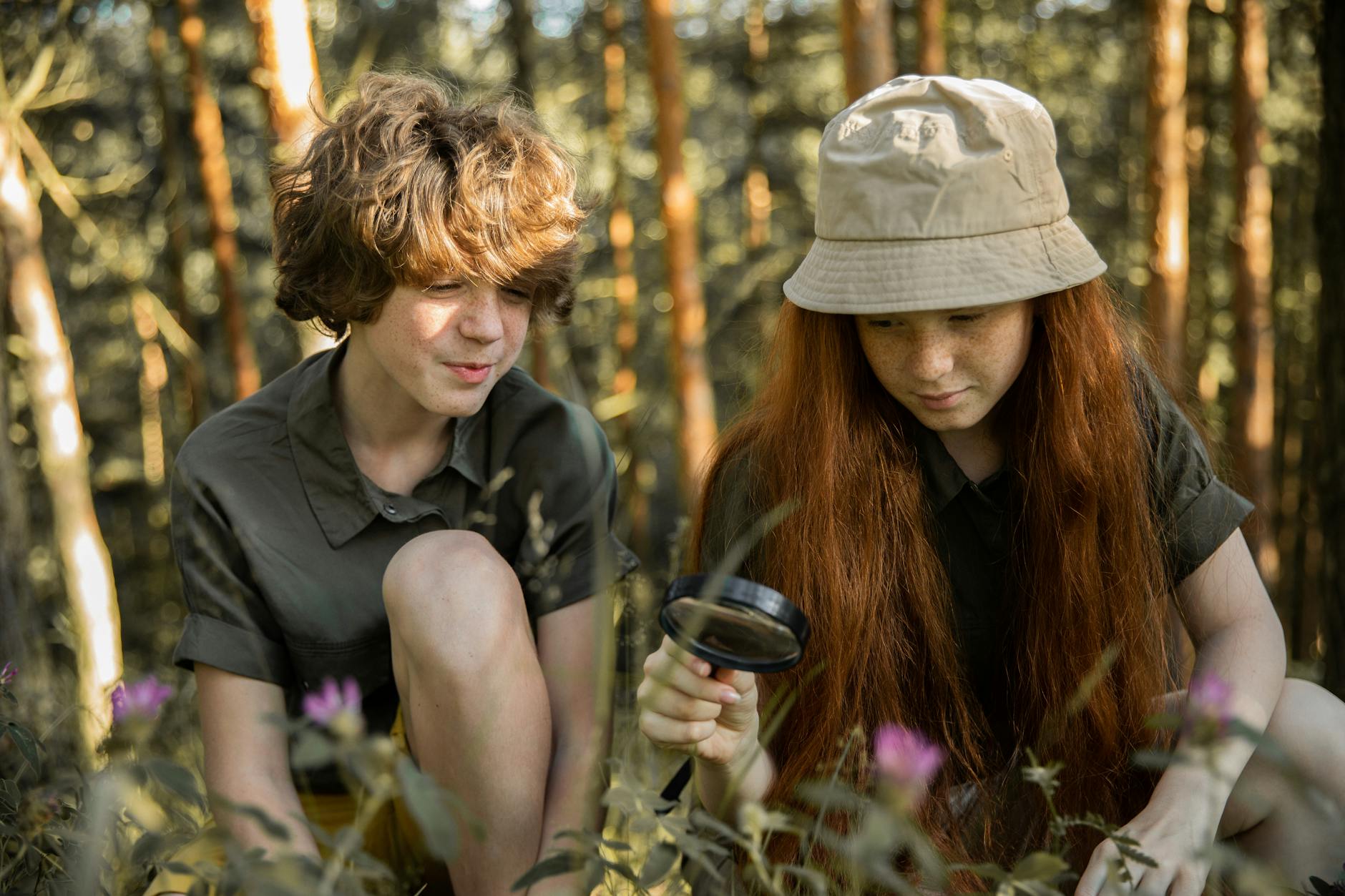
Outdoor Science: The Homeschool Advantage You're Not Using
Most science curricula are indoor, textbook-based affairs. The outdoor world offers something they cannot: real science, happening in real time, available every day.