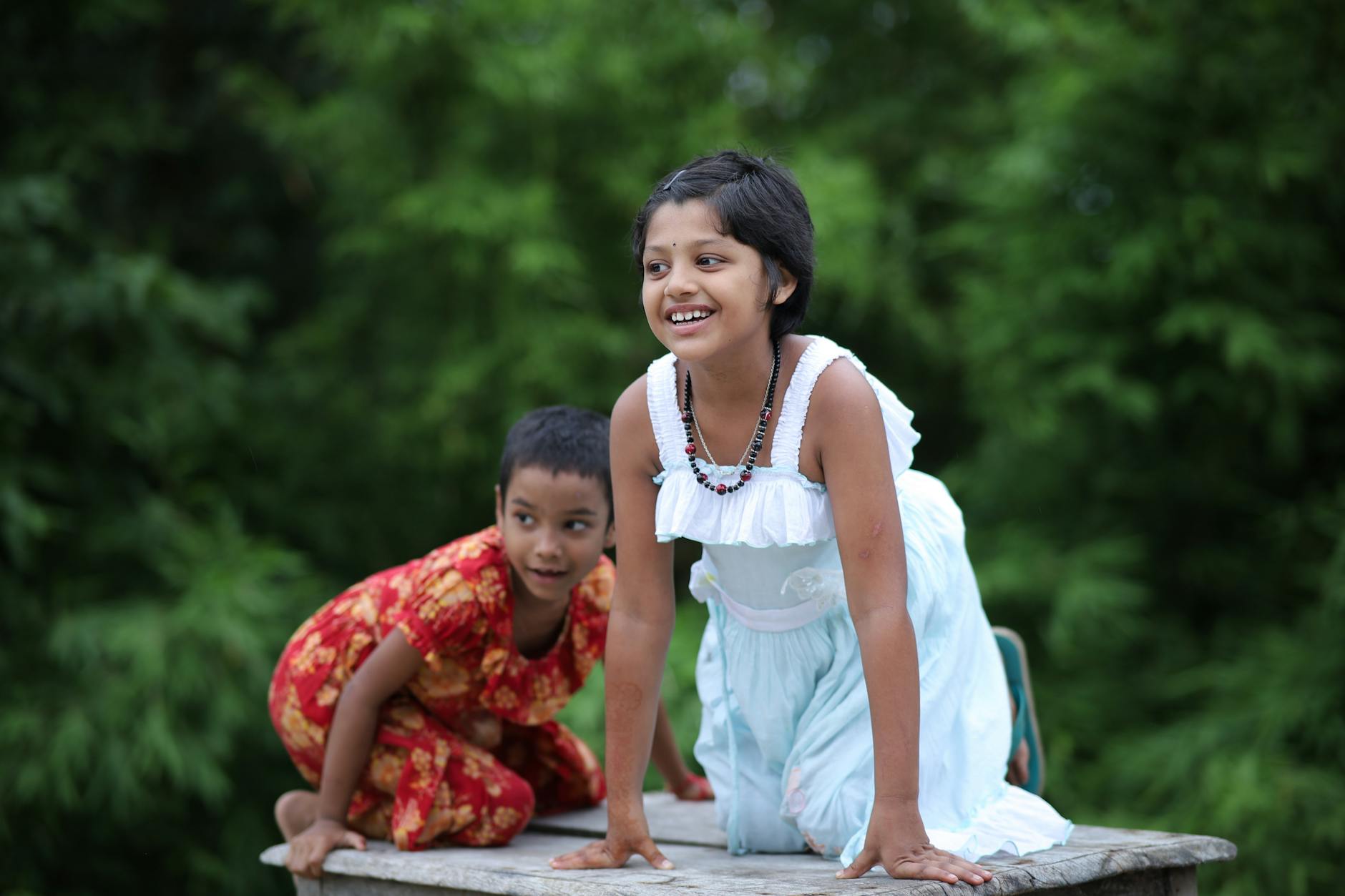
Homeschool Summer: How to Rest Without Losing Everything You Built
Summer in a homeschool is not the same as summer vacation. Here is how we structure ours — enough rest to restore everyone, enough continuity to make September feel like a continuation rather than a restart.
The first summer we homeschooled, we stopped everything.
No math. No reading practice. No structure. Pure unscheduled time for three months.
By September, my son had forgotten a third of the math facts he had learned the previous year. My daughter, who had been making good progress in phonics, was backsliding on sounds she had been solid on.
We had to spend the first six weeks of fall recovering ground that had been lost.
The second summer, we found the balance.
What Summer Is For
Summer is for rest. Genuine, unscheduled, unhurried rest. For both the children and you.
The homeschool year, even a gentle one, asks something of everyone every day. By late spring, everyone needs time where nothing is required of them. Children need time to play without a lesson embedded in the play. Parents need time when they are not the teacher.
Honor this. Do not try to maintain the school year through summer. The rest is the point.
What Not to Stop Completely
Reading aloud. This costs nothing, requires no preparation, and maintains the habit that everything else depends on. Many families find that summer is their best read-aloud time — longer books, more leisurely pace, reading outside.
Math facts maintenance. Five minutes, three times a week. This is the minimum that prevents significant regression. Not a lesson. A brief game, a set of flashcards, a math app. Just enough to keep the neural pathways warm.
Nature time. Summer is the richest season for outdoor observation. This is the one curriculum component that improves in summer rather than needing to be maintained against entropy.
What We Actually Do
June: Real rest. Almost no formal anything. We read aloud every night after dinner. The children play, build, explore. I read books that have nothing to do with homeschooling.
July: Light structure begins to feel natural again. A morning of reading, a few math facts, the rest of the day free. A field trip or two. A project that someone initiates because they want to.
August: We begin to shape the next year. Not planning obsessively — thinking. What worked? What didn't? What do the children seem ready for? The planning is more interesting in August than it was in May because everyone is rested.
The Summer Project
One thing I have found valuable: a summer project that is entirely child-chosen, with no academic goal attached.
My daughter one summer decided to catalog every bird species she could find in our county. She kept a notebook, identified dozens of species, and produced a hand-drawn field guide for her findings.
I did not assign this. I did not grade it. I provided field guides and drove her to a few new locations when she asked.
At the end of summer, she knew more about birds than I did. And she chose to do it.
That is what summer is for.
The Math Regression Problem
It is worth being specific about math, because this is where most families feel the sharpest sting of a completely off summer.
Math is a subject that depends heavily on retention of earlier skills. Unlike history, where a summer away does not erase what a child understood about the American Revolution, math builds on itself in a way that gaps actively undermine. If a child forgets their multiplication facts over summer, everything that uses multiplication facts, which is nearly everything in middle school math, becomes harder in the fall.
The five-minutes-three-times-a-week approach is genuinely sufficient. We have used Xtra Math, which is free and web-based, and also old-fashioned flashcard games where the fastest correct answer wins a point. Neither is a lesson. Both maintain what was built.
If your child is mid-progress on a concept when summer hits, consider whether it is worth just finishing it before you break. Sometimes it is easier to complete a chapter in May than to re-teach the whole thing in September because you stopped before the concept landed.
Handling the "Are We Learning?" Question
Some children ask this. Some parents feel it from inside without anyone asking.
The honest answer: not formally. And that is intentional.
Learning does not stop in summer. Children are building imaginative capacity, physical competence, relational skills, and creative thinking constantly. They are just not doing it through a structured curriculum.
The question to ask instead: is everyone restoring? Is the family recovering the energy and goodwill that the school year spent? If yes, you are doing summer right.
If by late July everyone is bored and cranky and desperate for something to do, that is a sign to add a little more structure. Not school, necessarily. A project, a new activity, a series to watch and discuss. Some children run out of self-directed steam faster than others.
Summer Reading Lists
We keep summer reading lists loose. Not a required reading list — a suggested one.
I put a stack of books on the coffee table and on the nightstand that I think the children might enjoy. I note which ones are available at the library. I occasionally say "I think you would love this one" and hand it over.
That is the whole curriculum.
Summer library programs help. They provide just enough external motivation to keep reading going without making it feel like school. Most public libraries run their summer reading program from June through August with prizes for reaching milestones. We participate every year.
What About Families Who Do Year-Round?
Some homeschool families run a full-year program with short breaks distributed throughout the year rather than a long summer break. This is a legitimate approach, especially for families who find long summers destabilizing.
If this is you, the principles still apply. Build in genuine rest periods, not just subject rotations. Protect unstructured time. Make sure someone's summer is different from the school year, even if it is not empty.
The goal is restoration. How you structure that is secondary to whether it actually happens.
How to end the homeschool year well covers the transition out of the school year. And planning your next homeschool year covers how to come back in September with intention.
Written by
The High Vibe Homeschool Team
We are a homeschool family that has been doing this for seven years across three kids. We write about what we have actually tried, what failed, what surprised us, and what we would do again. No credentials. Just lived experience.
ENJOYED THIS ARTICLE?
Get more like it every week
Real homeschool life, in your inbox.
Keep Reading
More in Daily Life
 Daily Life
How to End the Homeschool Year Well
The end of the homeschool year deserves more than quietly stopping. Here is how we close out the year intentionally — what we review, what we celebrate, and how we rest well before the next one begins.
 Daily Life
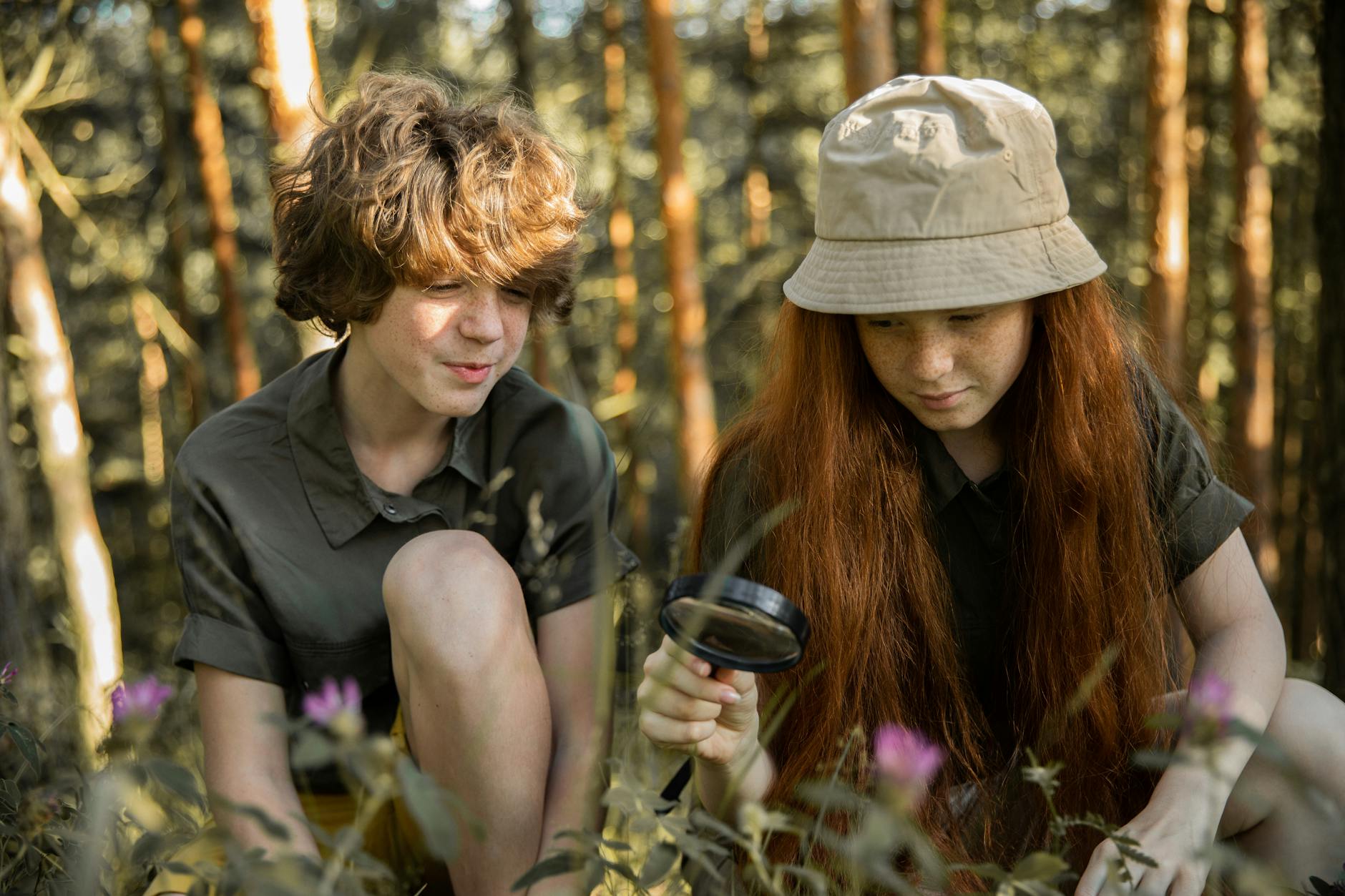
Outdoor Science: The Homeschool Advantage You're Not Using
Most science curricula are indoor, textbook-based affairs. The outdoor world offers something they cannot: real science, happening in real time, available every day.
 Daily Life
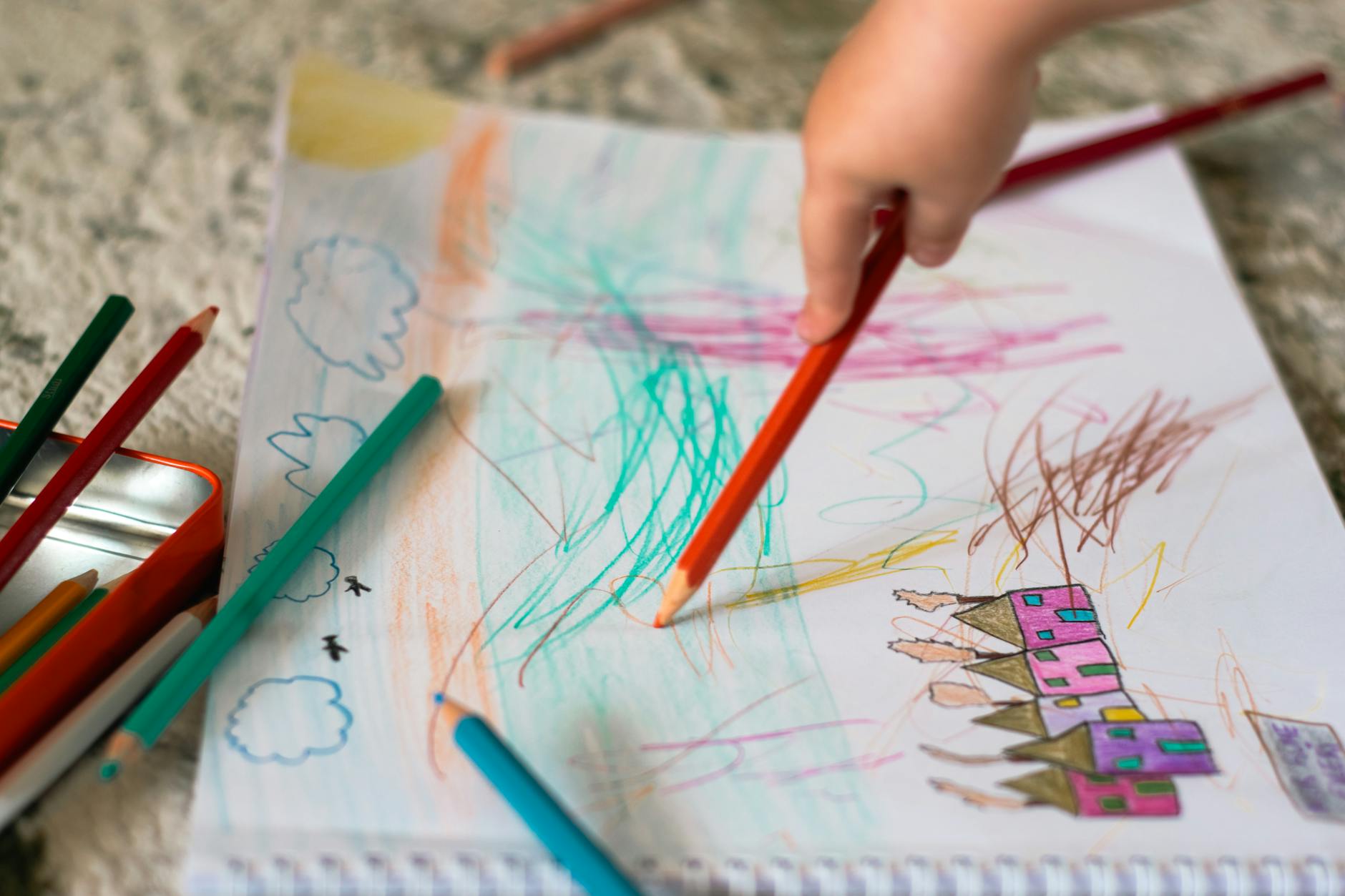
Art in Our Homeschool (And Why We Finally Ditched the Curriculum)
Three curricula, two years, and zero children who liked art class. Then we stopped doing art class and started making art. Here's what that actually looks like.