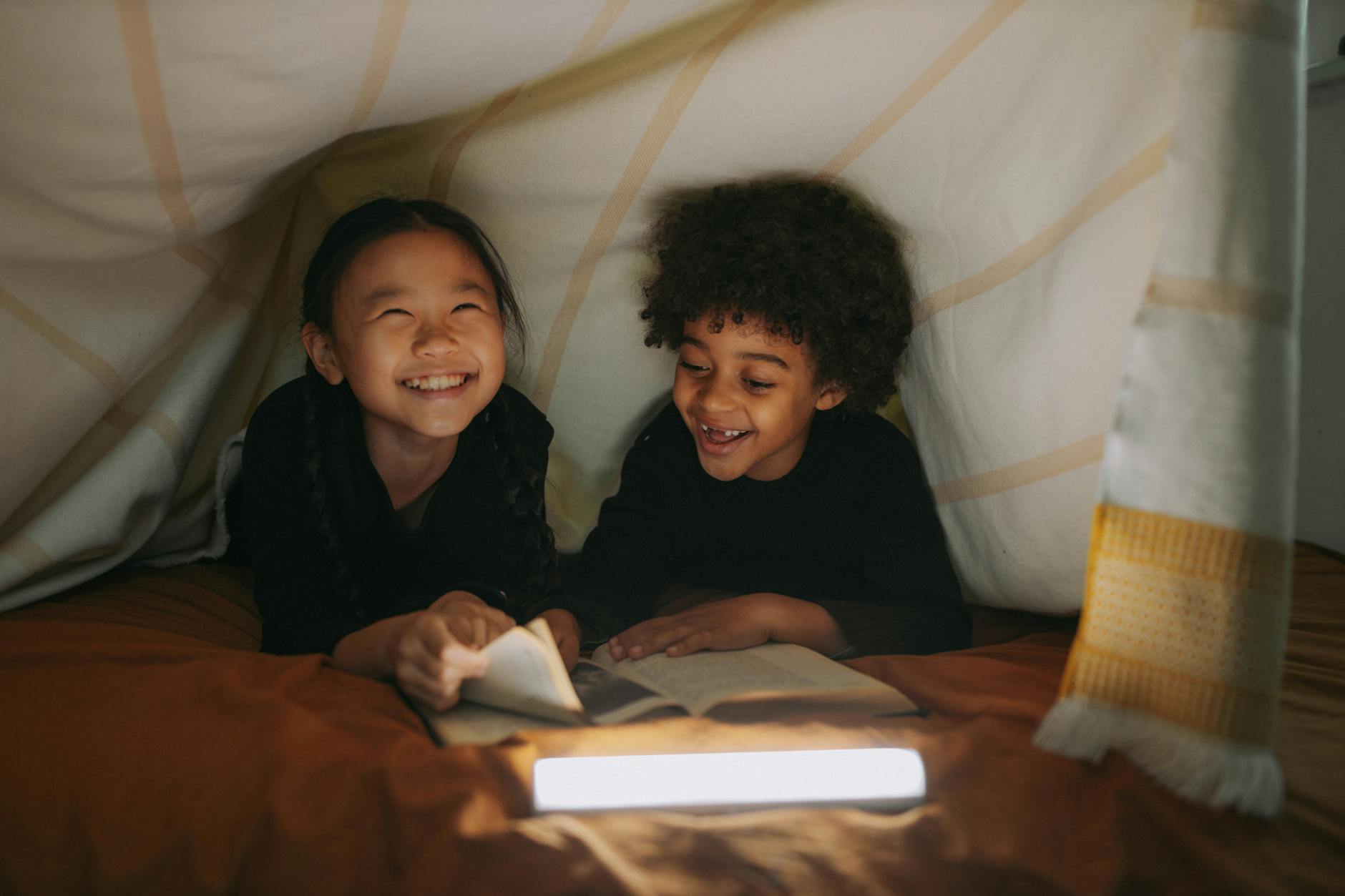
How to End the Homeschool Year Well
The end of the homeschool year deserves more than quietly stopping. Here is how we close out the year intentionally — what we review, what we celebrate, and how we rest well before the next one begins.
The last week of our homeschool year does not look like a school week.
We do not push through to the final worksheet. We do not try to finish the last chapter of the curriculum just to say we finished. The last week is for reflection, celebration, and transition.
This is not laziness. It is intentional. The ending of a year deserves more attention than quietly stopping one day and starting the summer.
The Year-End Review
Before we close out the year, each child and I sit down for about an hour with their portfolio. We go through everything from the year — writing samples, nature journal entries, project photos, book logs.
We ask three questions:
- What are you proud of from this year?
- What was hardest?
- What do you want to do differently next year?
I ask these same questions about myself as the teacher. What worked in how I set things up? What did I resist that I should have changed earlier? What do I want to bring into the next year?
These conversations are some of the most valuable in our entire school year. They produce real information I cannot get from a curriculum or a grade.
The first year we did this, I expected vague answers. My daughter surprised me. She said the hardest thing was when I got frustrated during math and rushed her. My son said he was proudest of finishing a chapter book on his own for the first time. Neither of those things showed up in any record I kept. Both of them changed how I planned the following year.
What to Actually Do With What You Find
The review is only useful if you act on it. That sounds obvious, but it is easy to have a lovely conversation and then file the notes away and repeat the same patterns next year.
What I do: I write three things down immediately after each review conversation. One thing I want to stop doing. One thing I want to keep doing. One thing I want to start doing.
That is the curriculum planning document I carry into late summer. Not a catalog. Not a framework. Three things per child, pulled from what they told me actually mattered.
If a child says they want more projects and less workbook time, that is a curriculum note. If they say they want to read more fantasy, that is a reading list note. If they say math was hard and they felt dumb, that is a curriculum assessment I need to take seriously.
What We Celebrate
We do a proper end-of-year celebration. It is not elaborate. We have done it as simply as a dinner at the restaurant of each child's choice and as ceremonially as a small gathering with grandparents and a "presentation of the year" where each child shares something they learned.
The specifics matter less than the intention. The year was something. It deserves acknowledgment.
We also do a bookshelf photo. Every book each child finished during the school year, held in a stack, photographed. The stack gets taller every year. My daughter flips through the old photos occasionally and says things like: "I can't believe how many that is."
That is worth a photo.
Some other things we have tried and kept:
- A "year in highlights" conversation at dinner where everyone names a favorite memory, a favorite book, and something that surprised them
- A small gift from the library's used book sale, chosen based on what each child is curious about now
- A morning where we look back through their nature journals and notice what has changed
None of these cost much. All of them mark the transition in a way that a regular Tuesday does not.
What to Do With Unfinished Curriculum
This comes up every year without fail: you are at the end of May and you are not done with the curriculum you bought.
Here is my honest take. You have two options and both are fine.
Option one: stop where you are. Note where you stopped. Start there next fall if it still makes sense. Some curricula are designed to carry across years. Some are better to abandon and start fresh with something new.
Option two: spend the last two weeks finishing the sections that matter most and releasing the rest. A math curriculum with two chapters left is worth finishing if those chapters build on everything before them. A history curriculum with four chapters left is fine to leave, because the point was building historical thinking, not completing a table of contents.
What is not worth doing: grinding through material your child has checked out of, just to reach the end of the book. The last weeks of a school year are when children and parents are both depleted. Forcing coverage produces nothing except bad associations with the subject.
The Transition to Summer
Summer in our homeschool is not the same as school. It is not "school without the curriculum." It is genuinely different time.
We read more. We play more. We are outside more. Structure loosens. The morning basket might continue because the children ask for it, but it does not have to.
The transition from school year to summer is a real transition, and honoring it makes the return to structure in the fall easier. Children who have genuinely rested come back to learning differently than children who never fully stopped.
Some things we keep through summer:
- Library books (we increase our rate of library visits)
- Math facts, briefly, a few days a week (five minutes only, so it does not fade entirely)
- Reading aloud, when the children want it
Some things we release:
- Schedules
- Lesson plans
- Expectations about output
The math facts thing is genuinely worth doing. Two months off from math, for most children, means September starts with a review week instead of new material. Five minutes a day of fact practice, maybe three days a week, keeps the pathways warm. It is not school. It is maintenance.
The Deschooling Summer
If you are new to homeschooling, or if your child came home from a difficult school year, summer is also deschooling time.
Deschooling is the period where a child who has been in conventional school relearns what learning feels like when it is not coerced. The general guidance is one month of deschooling for every year a child was in school. So a child who finished third grade might need three months before their natural curiosity reasserts itself.
What deschooling looks like: a child who watches a lot of TV and plays a lot and seems to be doing nothing productive. What is actually happening: their nervous system is recovering from a year of constant evaluation and structured performance. The curiosity comes back. It almost always comes back.
Resist the urge to fill the summer with enrichment activities that are really just school with a different name. Let the summer be genuinely unstructured and trust that a child who is given real rest will emerge from it more ready to learn than a child who was kept busy.
Looking Ahead Without Planning Ahead
Late summer, about three weeks before we plan to start again, I begin thinking about the next year.
Not planning. Thinking.
I read through the notes from the year-end review. I look at what we used and what we left on the shelf. I let thoughts accumulate. I look at curriculum catalogs with curiosity rather than obligation.
The actual planning happens in the last week before we start. By then, my thinking has settled into something clearer than it would have been if I had tried to plan in May.
Planning in May, when you are tired and relieved it is over, produces plans that look good on paper and do not reflect who your child will be in September. Children change significantly over a summer. The child who struggled with writing in June may come back to it with a different attitude in September. The child who loved math in May may come back having forgotten everything. Wait until you can see who they are now before planning for who they will be.
What This Year Was
Every homeschool year has a character. You will not know what this year's character was until it is over.
This year had a difficult stretch in January. It had a breakthrough in March when the math we had struggled with finally clicked. It had a week in April that was one of the best weeks we have ever had, when the chapter book we were reading aloud and the nature study we were doing and the family conversation we had all wove together in a way that felt complete.
None of those things showed up on any record I kept. They live in memory, in the children's journals, in the way they know each other.
That is what the year was. Rest is what allows you to remember it.
The end-of-year review connects naturally to portfolio building — the portfolio is the record you are reviewing. And planning your next homeschool year picks up where the year-end review leaves off.
Written by
The High Vibe Homeschool Team
We are a homeschool family that has been doing this for seven years across three kids. We write about what we have actually tried, what failed, what surprised us, and what we would do again. No credentials. Just lived experience.
ENJOYED THIS ARTICLE?
Get more like it every week
Real homeschool life, in your inbox.
Keep Reading
More in Daily Life
 Daily Life
Homeschool Summer: How to Rest Without Losing Everything You Built
Summer in a homeschool is not the same as summer vacation. Here is how we structure ours — enough rest to restore everyone, enough continuity to make September feel like a continuation rather than a restart.
 Daily Life
Outdoor Science: The Homeschool Advantage You're Not Using
Most science curricula are indoor, textbook-based affairs. The outdoor world offers something they cannot: real science, happening in real time, available every day.
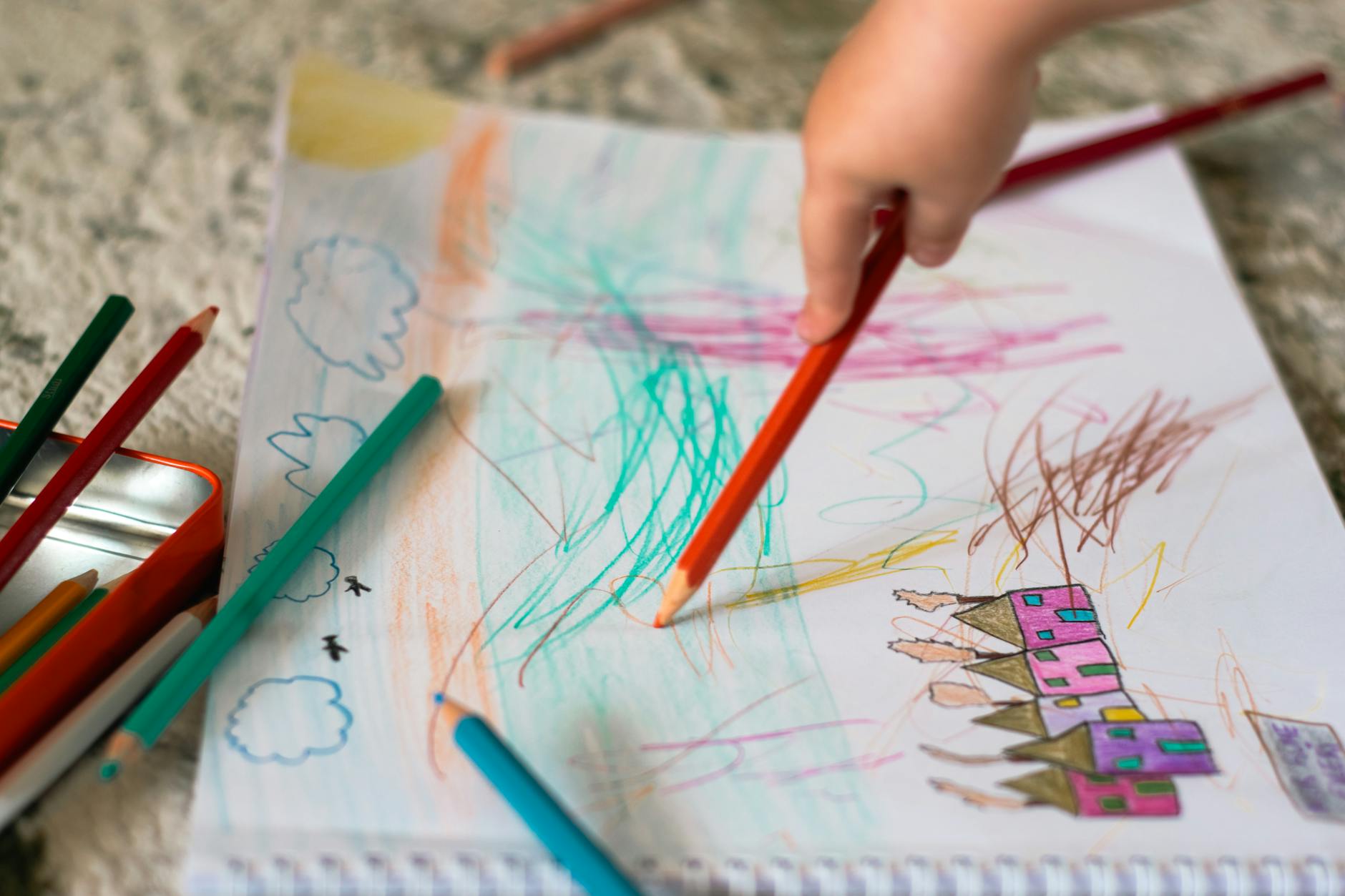 Daily Life
Art in Our Homeschool (And Why We Finally Ditched the Curriculum)
Three curricula, two years, and zero children who liked art class. Then we stopped doing art class and started making art. Here's what that actually looks like.