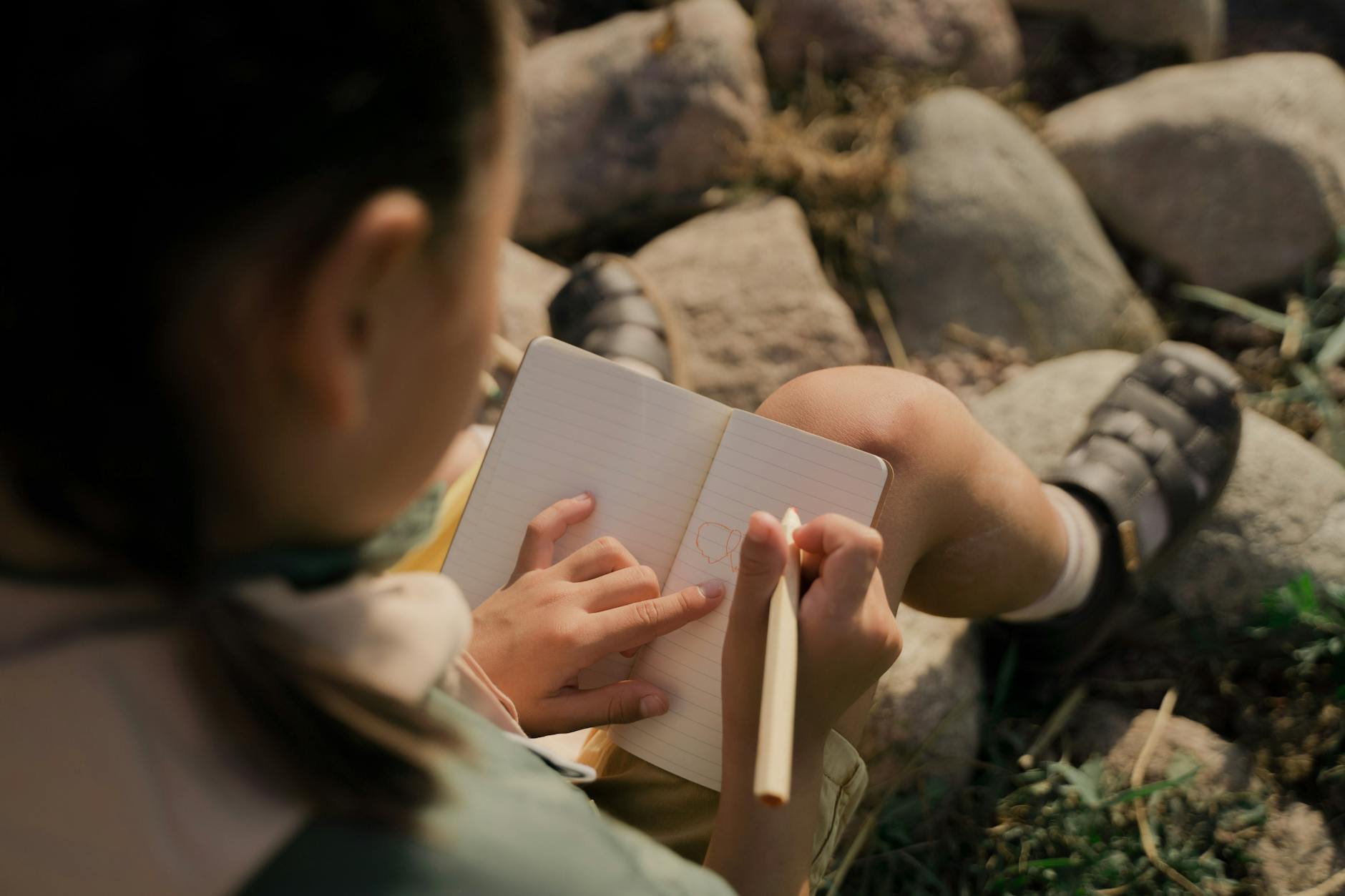
Nature Journaling: The Practice That Teaches Everything
A nature journal is a sketchbook, a science notebook, and a mindfulness practice all in one. Here is how to start one with your children — and why you should.
A nature journal is one of the simplest, most durable practices in a Charlotte Mason education — and one of the most powerful.
It requires almost nothing: a sketchbook, a pencil, time outside, and attention.
What it produces is harder to measure but easy to see: children who look carefully, who notice what they would have walked past, who have the vocabulary and the habit of recording what they find.
What Nature Journaling Teaches
Observation. This is the central skill. Before you can draw something, you have to look at it. Really look at it — at how the veins branch in a leaf, at how a caterpillar's legs are positioned, at the exact color of sky at the horizon versus directly above. Drawing forces a depth of observation that simply looking does not.
Scientific vocabulary. When a child wants to accurately describe what they see, they need words. What is that part of the leaf called? How do you name that pattern on the bark? Nature journaling creates a genuine appetite for botanical, zoological, and ecological vocabulary — not as memorization but as tools for accurate description.
Patience. Drawing from nature takes time. A child who sits with a subject for twenty minutes to capture it in a sketch is building a different relationship with attention than one who photographs it and moves on.
Seasonal awareness. A child who journals in nature over years develops an internalized calendar of what appears when. The first hepatica of spring. The particular light of a November afternoon. The insects that arrive in August. This calendar is a form of knowledge that no book provides.
Writing. Journals that include written observations — a sentence or two about conditions, behavior, what was noticed — produce young naturalists who can articulate as well as draw.
How to Start
You do not need to be able to draw. You do not need your children to be able to draw. You need:
- A blank sketchbook (unlined) for each child
- Pencils (a range of hardnesses helps, but a regular pencil is fine)
- Time outside
Start with whatever is nearest and simplest. A dandelion. A common bird at the feeder. A leaf from the tree in the yard. The goal in the first weeks is simply the habit of looking and recording — not beautiful work.
A simple structure for early entries:
- Date and weather
- Location (even just "backyard" or "trail near the creek")
- A sketch — however simple — of what was observed
- One or two written sentences about what was noticed
That is it. Everything else develops from that foundation.
What It Actually Looks Like With Real Children
My youngest started nature journaling at six with circles. Literal circles for birds, circles for insects, a circle with a stem for flowers. "This is the bee I saw," she would say, pointing to a lopsided oval with lines radiating off it.
By eight, she was drawing actual beetle shapes and labeling the parts she could name. By ten, she would spend forty minutes crouched over a tidal pool making meticulous pencil drawings of hermit crabs.
The drawing ability improved with practice, which is unremarkable. What was remarkable was what else improved: her patience, her willingness to stay still, her vocabulary for what she saw, her memory for where she had found something and what month it was. The journal was doing something to the way she experienced the outdoors.
My older two were less interested in the drawing and more interested in the writing. Their journals lean heavily toward description: what the spider was doing, how the cloud cover affected the light, what the creek smelled like after rain. That is fine. The medium is flexible. The practice of careful attention is the point.
Equipment: What Actually Matters
The sketchbook matters more than most other decisions. A blank, unlined journal with paper that is at least slightly heavier than printer paper makes a real difference. Children take the journal more seriously when it feels like a real book.
Canson XL Drawing pads, Leuchtturm1917 blank notebooks, or any reasonably sturdy blank sketchbook work well. The specific brand is not important; the blank pages and the sturdiness are.
For supplies beyond pencils, watercolor pencils are a useful addition for slightly older children. They let children add color to drawings without the difficulty of managing wet watercolors in the field. A small sharpener and a kneaded eraser round out what we keep in our field bag.
A hand lens — a simple magnifying glass — is genuinely worth having. A 10x hand lens in a pocket transforms ordinary subjects. A grain of sand, an aphid, the surface of a dried leaf. Children who have used a hand lens in nature journaling sessions do not want to journal without one.
Free Resource: Our Nature Journal Pages
We created a free set of nature journal pages for homeschool families — eight pages designed for this practice.
The pages include lined space for observation notes alongside a large blank drawing area. They are formatted for standard printer paper and designed to work for multiple ages, from the child who fills the page with an elaborate illustration to the one who draws a simple circle and writes "round, like a button" beneath it.
They are available free through our Resources page, alongside our other free printables.
What to Do When Children Resist
Some children resist nature journaling at first. A few patterns I have seen:
The child who says they cannot draw. Acknowledge this and reframe the goal. The drawing does not need to be good. It needs to be accurate. Accurate does not mean pretty. It means: does this drawing help you remember what you saw? A child who has decided they "cannot draw" often responds well to being asked to record, not to perform.
The child who wants to photograph instead of draw. Photographs are fine alongside the journal, but they do not do the same work. The argument I use with my kids: a photograph shows what the camera saw. A drawing shows what you noticed. Both are valuable. But in a journal, we draw. You can also photograph, but the journal requires the drawing.
The child who loses interest after a few sessions. Do not push through. Set the journal aside for a few weeks and return to it. Some children need to be older before the practice clicks. Nature journaling at eight looks different from nature journaling at eleven, and a child who was uninterested at eight sometimes becomes passionate about it at ten.
Keeping It Going
The families who sustain a nature journaling practice over years have done something simple: they protect the time for it.
Not as an ambitious new curriculum. Not as a project with a beginning and end. But as a regular practice — a thing that happens on Tuesday and Friday mornings, or after lunch on three days of the week, without needing to be convinced of its value each time.
The journaling itself makes the case for continuing. Children who have been doing it for a year look back through their journals with visible pride and astonishment at what they recorded. That record is the reward.
We have journals from our first years of homeschooling that our kids pull out occasionally just to look at. The entries from age seven are simple. The entries from age twelve are detailed and genuinely beautiful. Watching those pages change over time tells a story that no test result could capture.
Nature study for beginners covers the broader outdoor science approach that nature journaling supports. And our free nature journal pages are available to download now.
Written by
The High Vibe Homeschool Team
We are a homeschool family that has been doing this for seven years across three kids. We write about what we have actually tried, what failed, what surprised us, and what we would do again. No credentials. Just lived experience.
ENJOYED THIS ARTICLE?
Get more like it every week
Real homeschool life, in your inbox.
Keep Reading
More in Daily Life
 Daily Life
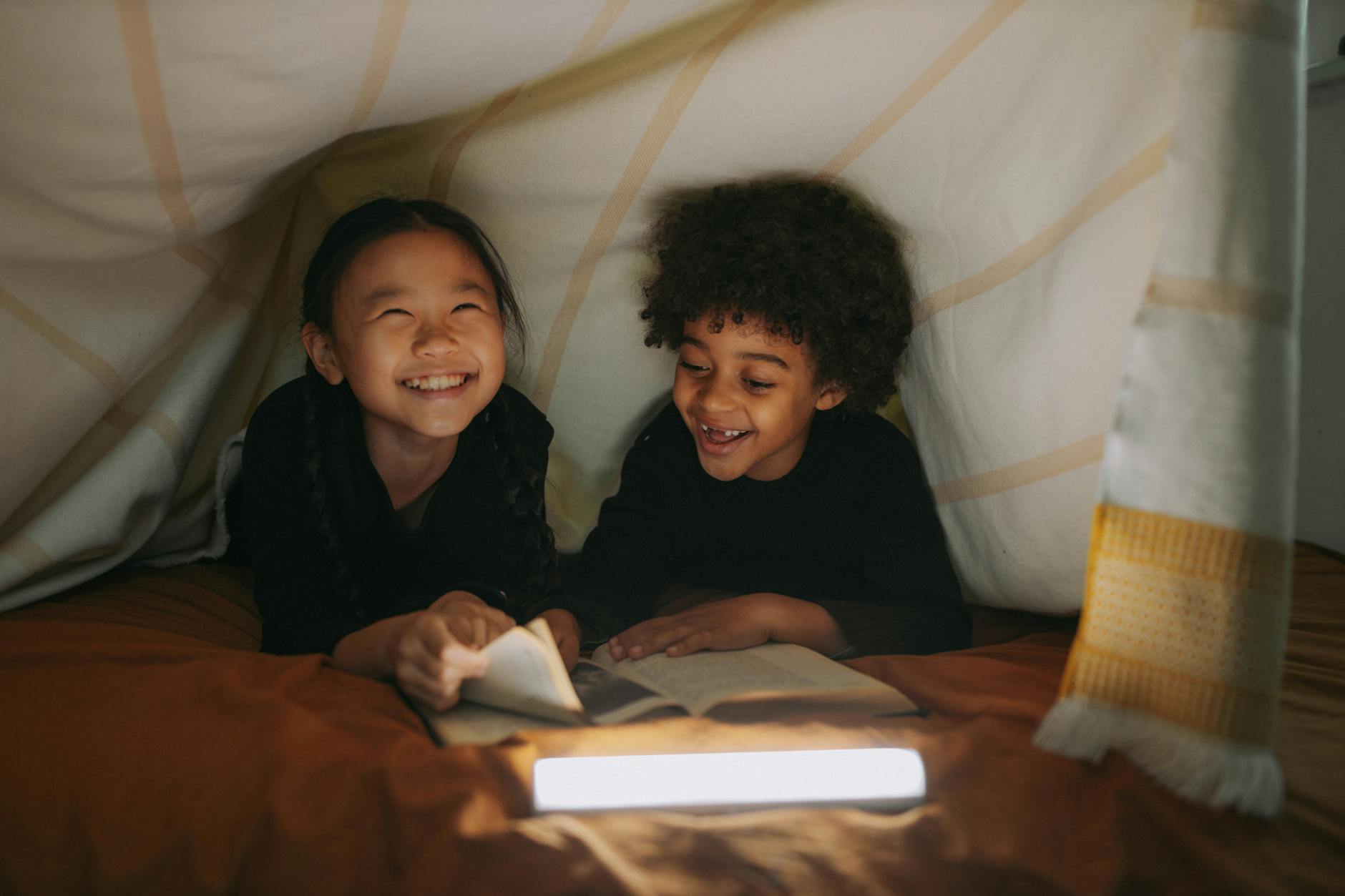
How to End the Homeschool Year Well
The end of the homeschool year deserves more than quietly stopping. Here is how we close out the year intentionally — what we review, what we celebrate, and how we rest well before the next one begins.
 Daily Life
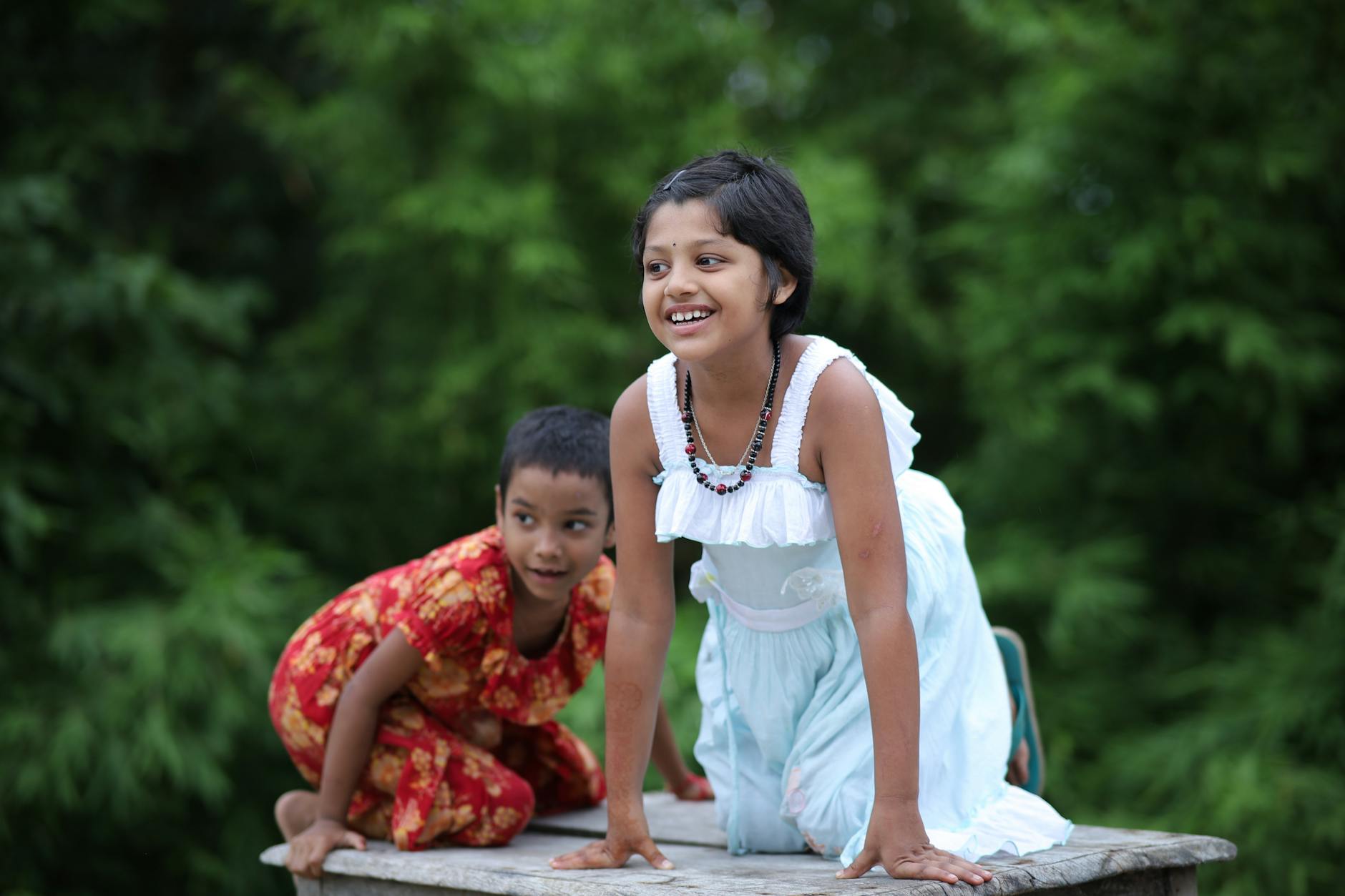
Homeschool Summer: How to Rest Without Losing Everything You Built
Summer in a homeschool is not the same as summer vacation. Here is how we structure ours — enough rest to restore everyone, enough continuity to make September feel like a continuation rather than a restart.
 Daily Life
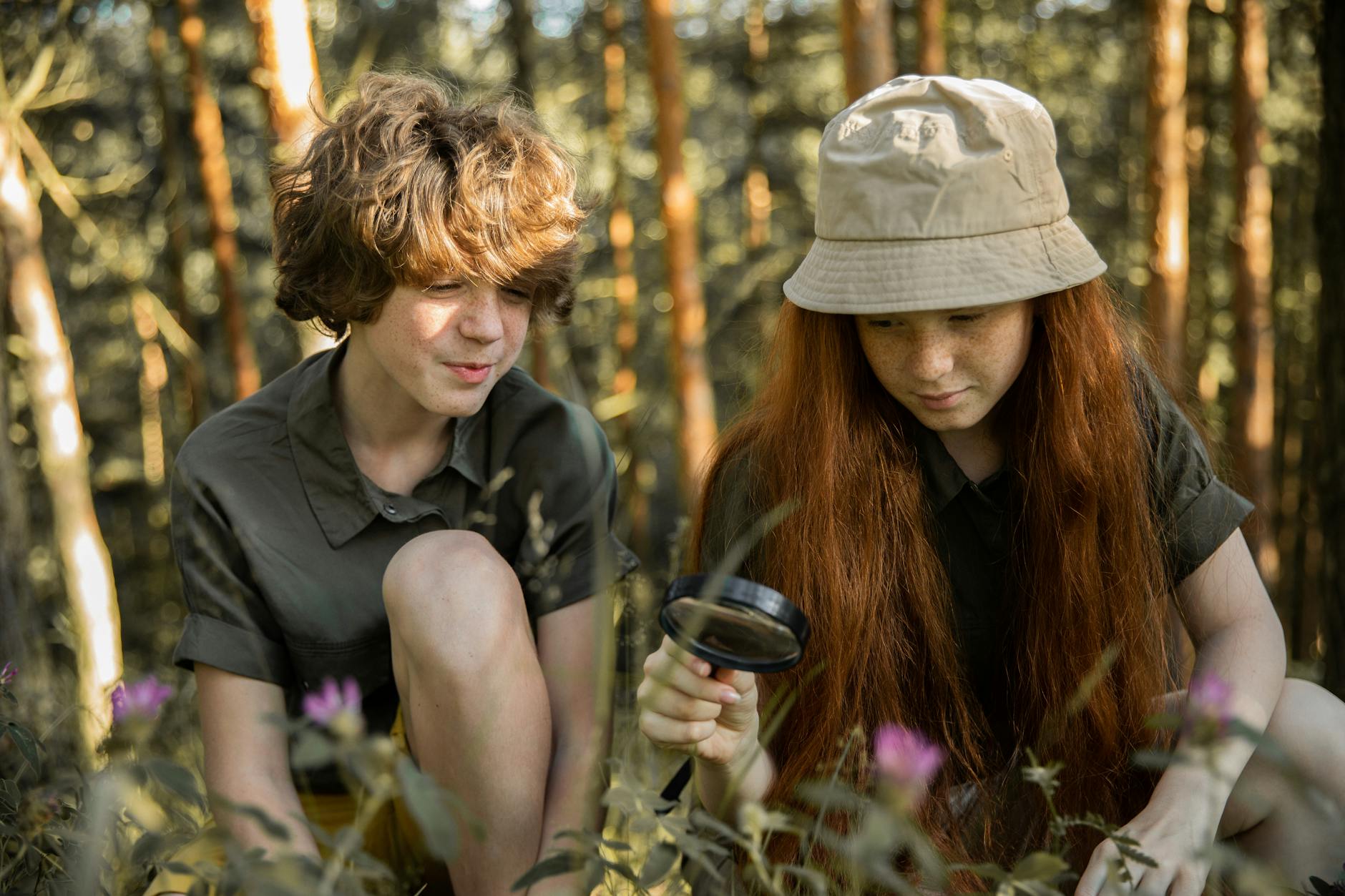
Outdoor Science: The Homeschool Advantage You're Not Using
Most science curricula are indoor, textbook-based affairs. The outdoor world offers something they cannot: real science, happening in real time, available every day.