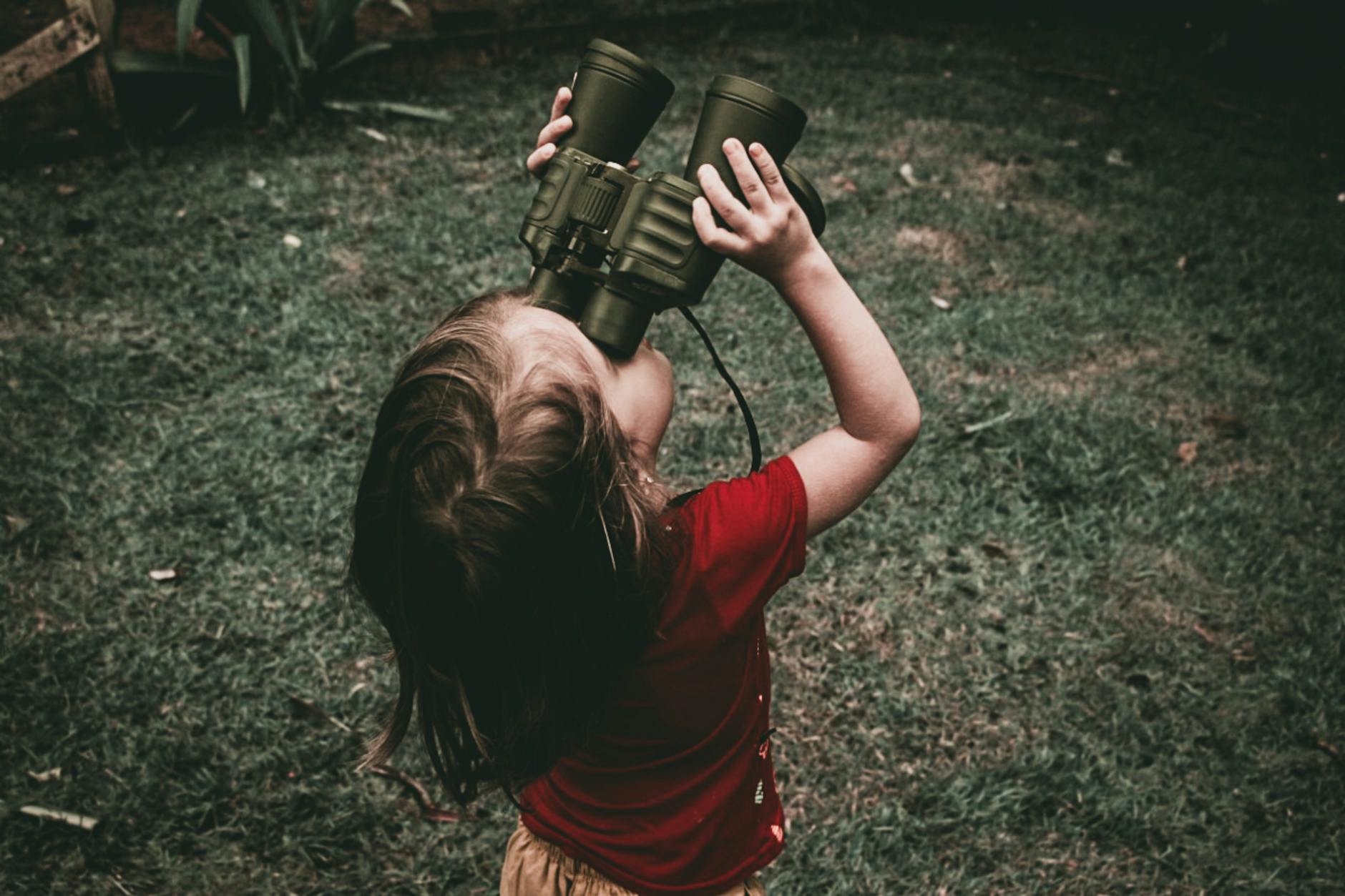
How to Start a Nature Study Practice (Even If You Don't Know a Sparrow from a Starling)
Nature study is one of the richest things you can add to your homeschool, and you do not need to be a naturalist to do it. Here is how to start, what you actually need, and why it matters more than you think.
I grew up in the suburbs. I could identify a robin because it had an orange chest. I knew what a squirrel was. I was basically illiterate in the natural world.
When I started incorporating nature study into our homeschool, I felt like a fraud. My kids were pointing at birds and looking at me expectantly and I was Googling frantically on my phone, hoping they would not notice.
Here is the thing: that was okay. In fact, learning alongside my kids turned out to be one of the best things about it.
Nature study does not require you to be a naturalist. It requires you to slow down, go outside, and pay attention. Your children will do the rest.
What Nature Study Actually Is
In Charlotte Mason circles, nature study is a formal part of the curriculum. Children keep nature journals, sketch what they observe, record seasonal changes, and build a deep, personal relationship with the natural world over years.
But you do not have to be a Charlotte Mason family to do nature study. At its core, it is simply this: regular time spent outdoors with the intention of observing and learning about the living world.
That is it. The formality you add is optional.
Why It Matters
There is serious research on what time in nature does for children. Attention restoration, stress reduction, improved emotional regulation, and physical health benefits that come with actual outdoor movement are all well-documented. Children with regular nature exposure tend to be calmer, more focused, and more creative.
But beyond the research, I believe nature study does something that is harder to measure. It teaches children that they are part of something larger than themselves. It builds patience and the capacity to be still and wait. It cultivates a kind of humble curiosity that carries over into every other subject.
A child who has spent years watching the same creek through all four seasons, noting what changes and what stays the same, is developing scientific thinking in the most real and embodied way there is.
What You Actually Need to Start
Here is the honest supply list: almost nothing.
A sketchbook or blank notebook per child. Nothing fancy. The dollar store kind works.
A pencil. Maybe a small set of colored pencils.
A field guide for your region. Ideally both a bird guide and a plant guide. You do not need to buy these, your library will have them. The Sibley guides are excellent for birds. Peterson guides cover most regions for plants, insects, and mammals.
A magnifying glass, if you want one. My kids love magnifying glasses. They are very cheap.
That is it. Everything else will come naturally as you get more invested.
How to Actually Start
Pick one thing to focus on at first. Do not try to learn everything at once. Start with birds, or local trees, or insects, or wildflowers, depending on what is most accessible and interesting where you live.
Start with your backyard or your neighborhood. You do not need to drive anywhere special. Some of the most interesting nature study I have seen comes from families paying close attention to a single tree over a whole year.
Go outside at the same time each week if you can. Consistency matters more than duration. Thirty minutes once a week with genuine attention is better than a one-time three-hour excursion.
When you see something, pause before you identify it. Look at it. Really look. What color is it? What shape? How does it move? What is it doing? Where is it in relation to other things? Getting children in the habit of observing before reaching for the identification guide builds real scientific skills.
Then look it up together. Make a sketch. Write a sentence or two about what you saw. If your child is too young for writing, they can dictate while you write. Or they can just draw.
Free Download
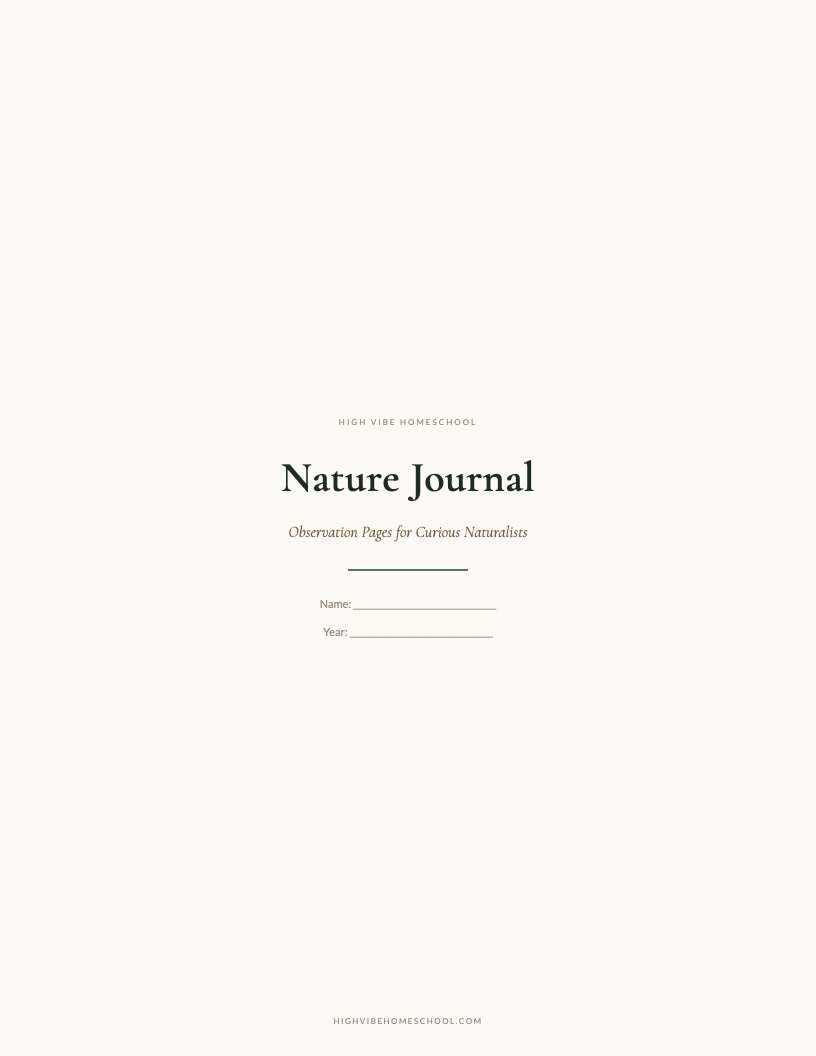
Nature Journal Pages
5 illustrated pages for outdoor observation: drawing box, date, weather, and 'I wonder' prompts.
No spam. Unsubscribe anytime.
Free Download
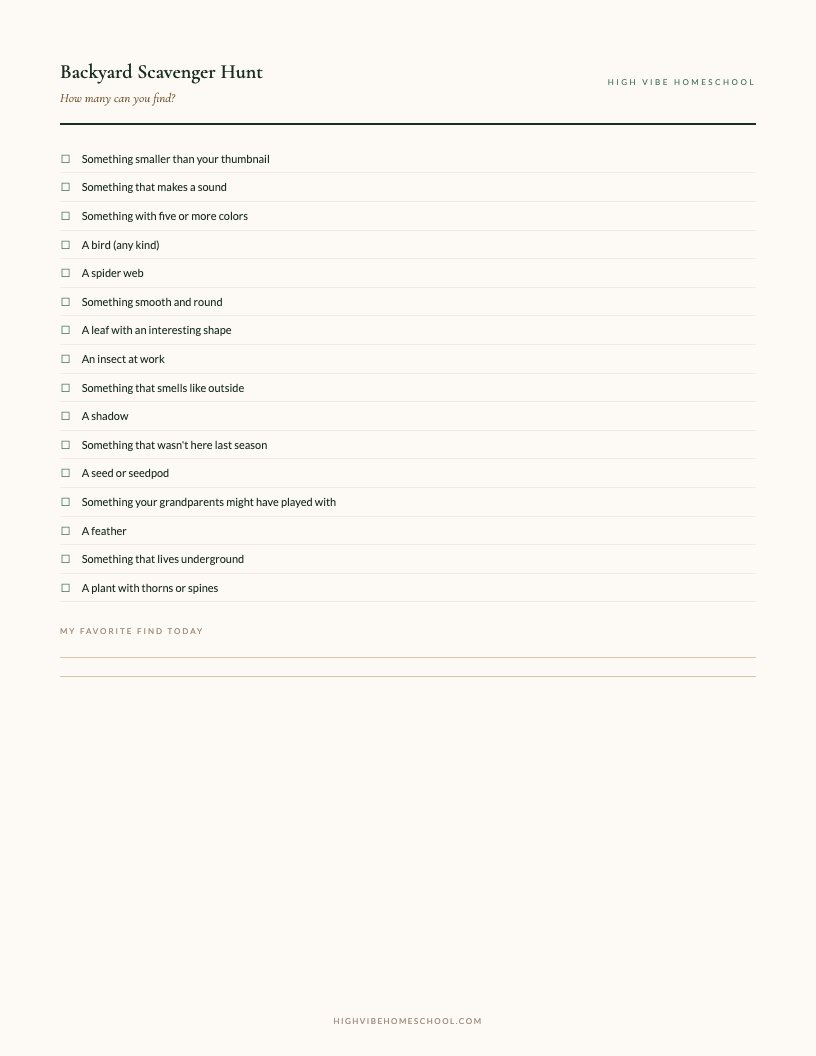
Nature Scavenger Hunt Pack
4 hunts for different settings: backyard, neighborhood, park, and a seasonal version for spring or fall.
No spam. Unsubscribe anytime.
The Nature Journal
A nature journal is simply a place to record observations. It does not have to be artistic. It does not have to be complete. It just has to be consistent.
My younger one draws things and I write the date and what she observed. My older one writes her own notes and adds sketches. Neither of us is an artist. The point is the observation, not the product.
Over time, a nature journal becomes something genuinely wonderful. It is a record of seasons and years and a child's growing attention to the world. We have three years of journals now and they are some of my most treasured things from our homeschool.
Resources to Help You Learn Alongside Your Kids
iNaturalist is a free app that uses your phone camera to help identify plants, animals, and insects. You take a photo, the app makes a guess, and naturalists in the community can confirm or correct the identification. My kids are obsessed with it.
The Handbook of Nature Study by Anna Botsford Comstock is available free online as a PDF. It is old and wonderful and covers virtually every aspect of nature observation you might want to explore.
Your local Audubon chapter often hosts free birding walks open to families. These are fantastic for learning from people who actually know what they are talking about.
You do not have to know the name of every bird to love watching them. Start where you are, go outside, and pay attention. Everything else builds from there.
For the seasonal approach to nature study, nature study in winter covers why cold months are often the richest time to be outside. And nature journaling for kids is the tool that makes the observations last.
Nature journaling for kids is the documentation practice that makes nature study educational rather than just enjoyable. And for a complete curriculum framework including seasonal rhythms and assessment, Charlotte Mason nature study: a complete curriculum guide is the companion piece.
Written by
The High Vibe Homeschool Team
We are a homeschool family that has been doing this for seven years across three kids. We write about what we have actually tried, what failed, what surprised us, and what we would do again. No credentials. Just lived experience.
ENJOYED THIS ARTICLE?
Get more like it every week
Real homeschool life, in your inbox.
Keep Reading
More in Resources
 Resources
Our Favorite Read-Alouds for Every Age (That the Whole Family Actually Loves)
Read-alouds are the heartbeat of our homeschool day. Here are the books that made our kids beg us to keep reading — sorted by age so you can find your next one fast.
 Resources
Yes, Audiobooks Count. Here's How We Use Them.
Audiobooks are not a shortcut or a lazy day substitute. In our homeschool, they are a core tool. Here's exactly how we use them and why listening absolutely counts as reading.
 Resources
10 Books Every Homeschool Mom Should Read (At Least Once)
Not books for your children. Books for you. The ones that changed how we think about education, restored our confidence on the hard days, and gave us the words for what we were trying to do.