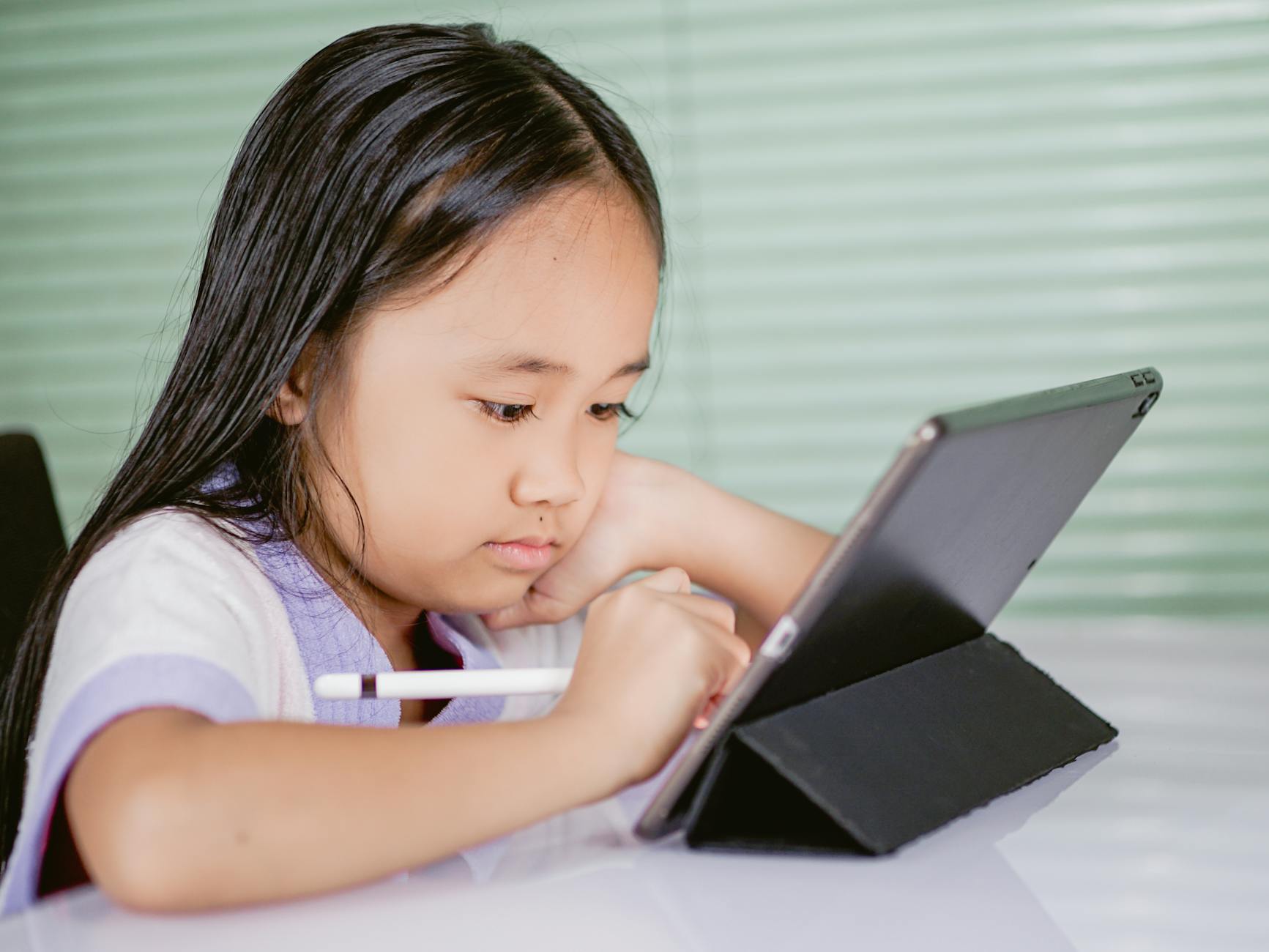
Screens in Our Homeschool: The Actual Framework We Use
Every homeschool family navigates the screen question differently. Here is the framework we settled on after three years of getting it wrong — and the specific distinctions that actually matter.
The screen question in homeschooling is genuinely hard.
On one side: screens are where a lot of excellent educational content lives. Khan Academy, documentaries, educational YouTube channels, audiobooks, coding programs, foreign language apps. Refusing screens wholesale means refusing legitimate learning tools.
On the other side: screens are also where a lot of nothing lives. Passive entertainment, algorithmically optimized content designed to keep children engaged without producing anything in them, social media that is not appropriate for young children regardless of educational framing.
The difference matters, and most screen policies do not make it.
The Distinction That Changed Everything
We stopped thinking about screen time and started thinking about screen type.
Active screens: Content that requires the child to do something. Coding programs, educational games with genuine challenge, reading on a screen, video chatting with family, creating something (art, video, music). The child produces as well as consumes.
Passive screens: Content that asks nothing of the child except attention. Most YouTube, most streaming, most social media. The child consumes and produces nothing.
This distinction does not mean passive screens are always bad. It means they belong in different categories with different limits. Active screen use during school time is appropriate. Passive screen use is not.
Our Actual Framework
School hours: active screens allowed with purpose, passive screens off. A child who uses Khan Academy for math, watches a documentary on a subject we are studying, or codes a project is doing school. A child watching YouTube videos is not doing school, regardless of whether the videos are nominally educational.
After school: passive screens with time limits. We use a timer. When it rings, the screens go off. This produces negotiation, protest, and then acceptance. The timer is non-negotiable, which means it produces less conflict than an adult judgment call every time.
No screens during meals, read-alouds, or outdoor time. These are the inviolable screen-free zones. They protect the specific activities that most require presence.
What We Have Found That Works Well
Educational documentaries as a family, not alone. A documentary watched together, paused for questions, discussed afterward, produces different learning than the same documentary watched by a child alone with no discussion.
Coding programs for older children. Our son taught himself a substantial amount of Python through free online resources. This was active, creative, genuinely educational screen time. It is also the kind of learning that conventional school rarely provides.
Audiobooks on car trips. This is arguably listening rather than screens, but the principle applies. The content of the audio matters as much as the medium.
Natural consequences for passive content. A child who chooses passive screen time over other available activities and then complains of boredom has made a choice with a predictable outcome. We do not rescue from this.
Specific Tools That Have Earned a Permanent Place
Khan Academy is the most reliable free educational resource we have found. The math content is particularly strong. We use it as a practice and review tool rather than a primary curriculum, but it is consistently good.
For younger children, ABC Mouse and Starfall are genuinely educational for early literacy and math. The activity structure is clear enough that a four or five-year-old can use them with minimal supervision.
Scratch (from MIT) is the best introduction to coding logic for children eight and up. It produces real, shareable projects. The child feels like they have made something because they have.
Duolingo works for language exposure at any age. We do not treat it as a complete language education, but for daily exposure and habit-building, it is effective.
YouTube is more complicated. There are genuinely excellent educational channels: Crash Course for older students covering history, science, and literature; Veritasium and Smarter Every Day for science; Draw with Jazza for art. The problem is that the YouTube algorithm does not care whether your child watches Veritasium or something useless. If your child can navigate to their chosen channel and stay there, YouTube is a legitimate tool. If the algorithm is making decisions for them, it is not.
What Has Not Worked
Screens as a reward for completing school. This sets up school as the obstacle between the child and what they want.
Screens as a babysitter during intense school blocks with other children. This produces passive consumption habits in the younger child and resentment in everyone.
Attempting to monitor every piece of content. Below a certain age, this is appropriate. Above that age, the child needs to develop their own judgment, which requires some unsupervised choices and the opportunity to make mistakes.
No-screen policies that have no exceptions. Purist policies tend to collapse completely when circumstances change, because they have not built any muscle for discernment. A framework with clear distinctions holds better than a blanket rule.
The Age Question
How you navigate screens is different at seven than at twelve.
For younger children (under eight or so), the active/passive distinction is most important, and external time limits are appropriate because the child genuinely cannot regulate their own attention in the face of compelling content. The timer is the parent's tool, not the child's.
For older children and middle schoolers, the goal is building genuine discernment. A child who has internalized why passive scrolling is less valuable than active making is more capable than a child who only complies with rules. This requires some conversation, not just enforcement. Why does this matter? What are you actually doing when you watch versus when you create? What do you notice about how you feel after different kinds of screen time?
These conversations rarely produce immediate results. They plant seeds. By fourteen or fifteen, the child who has been part of these conversations is in a meaningfully different place than the child who has only experienced screen rules as external control.
The Honest Admission
We do not execute this framework perfectly. There are days when the timer gets ignored, when the passive content goes longer than it should, when screens get used as a parenting convenience rather than an educational tool.
The framework matters anyway. Imperfect adherence to a considered principle is better than no principle at all.
Your framework will look different from ours. What it needs is a clear distinction between the kind of screen use you want to encourage and the kind you want to limit, and some structure for maintaining that distinction on ordinary days.
Slow homeschooling and a less-packed schedule create the conditions where children are less likely to reach for passive screens out of boredom. And homeschool extracurriculars is the active alternative — activities outside the home that compete with screen time in healthy ways.
Written by
The High Vibe Homeschool Team
We are a homeschool family that has been doing this for seven years across three kids. We write about what we have actually tried, what failed, what surprised us, and what we would do again. No credentials. Just lived experience.
ENJOYED THIS ARTICLE?
Get more like it every week
Real homeschool life, in your inbox.
Keep Reading
More in Daily Life
 Daily Life
How to End the Homeschool Year Well
The end of the homeschool year deserves more than quietly stopping. Here is how we close out the year intentionally — what we review, what we celebrate, and how we rest well before the next one begins.
 Daily Life
Homeschool Summer: How to Rest Without Losing Everything You Built
Summer in a homeschool is not the same as summer vacation. Here is how we structure ours — enough rest to restore everyone, enough continuity to make September feel like a continuation rather than a restart.
 Daily Life
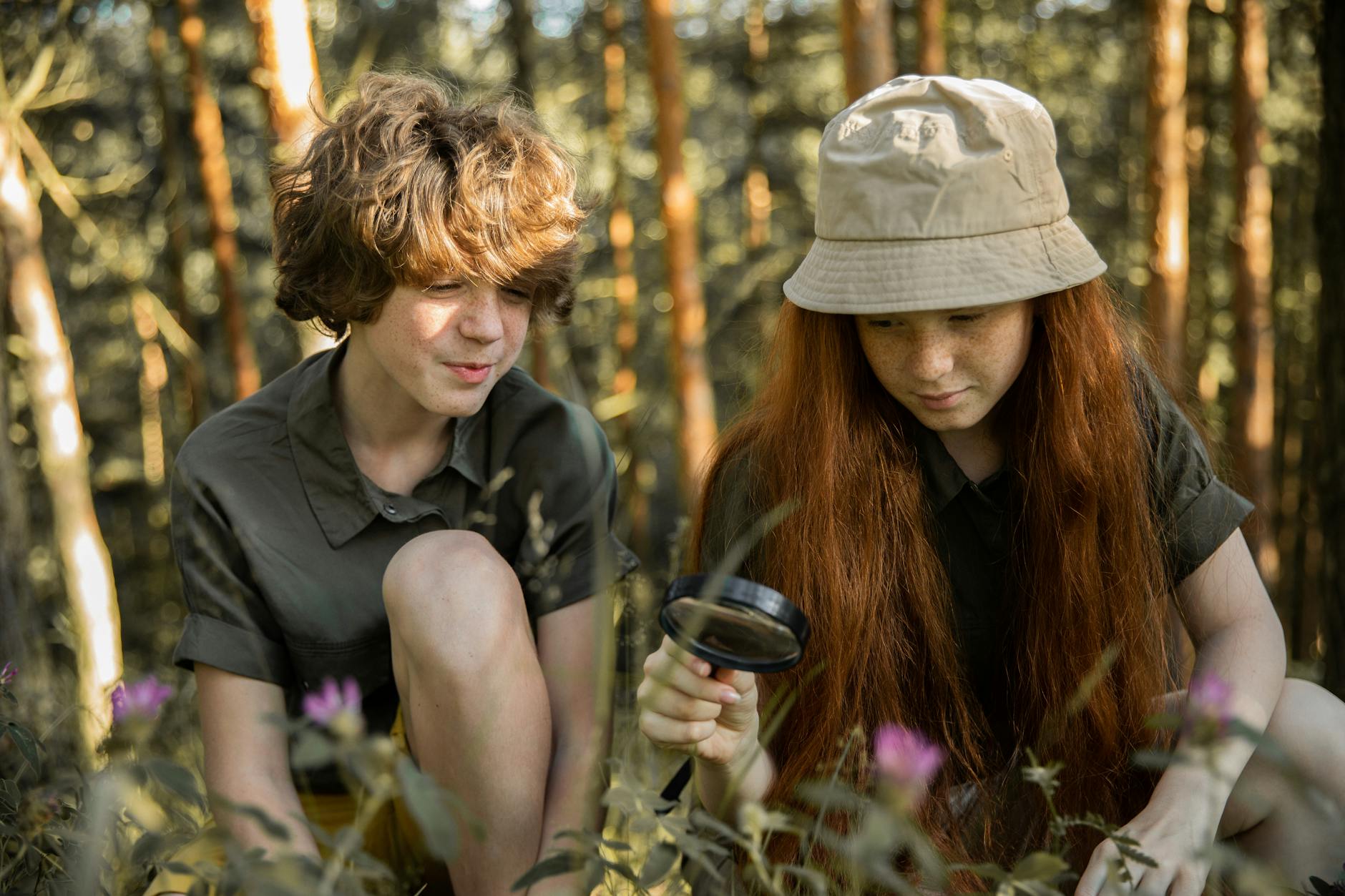
Outdoor Science: The Homeschool Advantage You're Not Using
Most science curricula are indoor, textbook-based affairs. The outdoor world offers something they cannot: real science, happening in real time, available every day.