Homeschool Extracurriculars: How to Find Everything Your Child Wants to Do
The assumption that homeschooled children miss out on extracurricular activities is wrong. Here is how families actually access sports, arts, music, clubs, and competitions — and what to prioritize.
The question assumes homeschooling means staying home.
It does not. Homeschooling means choosing where and how your children learn. For many families, that includes an extremely active extracurricular schedule — one that is shaped by what the child actually wants rather than what happens to be available at their assigned school.
Here is how to find everything.
Sports and Athletics
Community leagues. The vast majority of recreational and competitive sports in most communities are not tied to schools. Youth soccer leagues, swim teams, martial arts studios, gymnastics programs, tennis academies, wrestling clubs. None of these require school enrollment.
YMCA and recreation center programs. These are explicitly available to the public. Many homeschool families use YMCA athletic programs as their primary physical education.
Homeschool athletic associations. Many states have homeschool athletic associations that organize competitions in track and field, cross-country, basketball, and other sports specifically for homeschooled students. Search "[your state] homeschool athletics" to find them.
Public school participation. Some states have laws requiring public schools to allow homeschooled students to participate in athletics. This varies significantly by state — check your state's specific policy before assuming either that you can or cannot.
Performing Arts
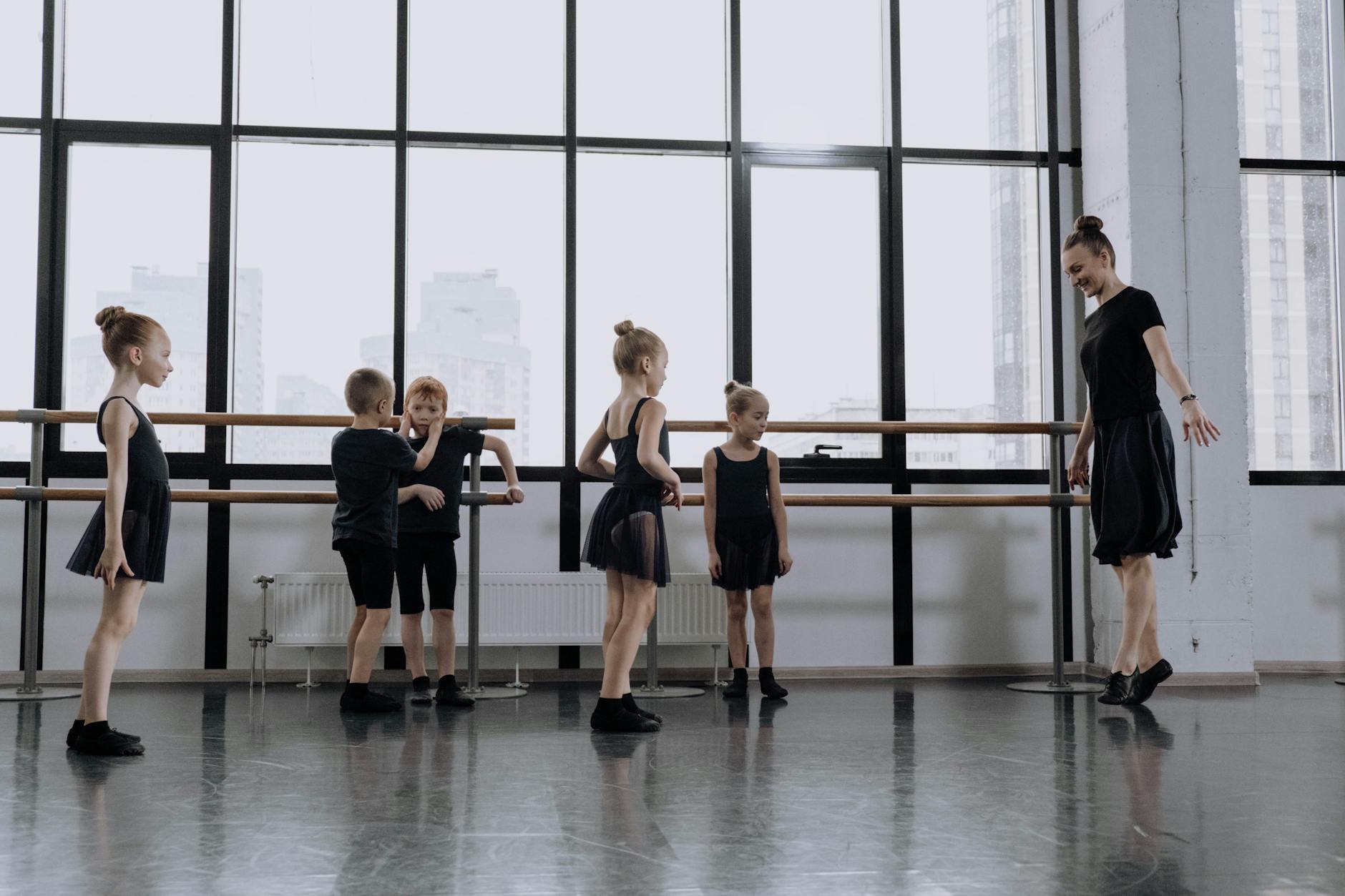
Community theater. Most community theater organizations offer youth programs that are not school-affiliated. Auditions are open to all children in the community. Some of the best youth theater in any area is run by community organizations rather than schools.
Community orchestras and bands. Youth symphonies, community wind ensembles, jazz bands. Most are open by audition or application to any young musician. Homeschooled students are commonly represented in these groups.
Homeschool co-op drama programs. Many co-ops run drama programs, producing one or two plays per year. These require parent involvement but produce genuine theatrical experience.
Academic Competitions
Homeschooled students are eligible for many academic competitions and excel in them.
- Spelling Bee: National Spelling Bee allows homeschooled students to enter.
- National Geographic Bee: Open to homeschooled students.
- MATHCOUNTS: Open to homeschooled students in most states.
- Science Olympiad: Some states have homeschool teams; others allow homeschooled students to join teams as at-large participants.
- Debate: National forensics organizations like NCFCA (National Christian Forensics and Communications Association) and Stoa are specifically designed for homeschooled students.
- 4-H: One of the most accessible competition and enrichment programs for homeschooled students. Projects span agriculture, STEM, arts, and communication.
Clubs and Interest Groups
Scouting. Both Boy Scouts and Girl Scouts are available to homeschooled students. Many areas have homeschool-specific troops that meet during daytime hours.
Homeschool co-op electives. Most co-ops offer elective classes taught by parents with specific expertise. Robotics, creative writing, foreign language, cooking, art history. These often produce genuine learning and lasting friendships.
Library programs. Teen programming at public libraries increasingly includes clubs (Minecraft clubs, creative writing groups, maker programs) that are open to homeschooled students who are available during weekday hours.
The Scheduling Advantage
Homeschooled children have one significant extracurricular advantage over conventionally schooled peers: availability during the day.
Swim team practice at 10 AM. Piano lesson at 2 PM. Orchestra rehearsal on a Tuesday afternoon. These are inaccessible to children in school. They are routine for homeschooled families.
The challenge is the opposite of scarcity: managing abundance. The freedom to participate in daytime programming can produce overscheduled children and overwhelmed parents. The same intentionality that applies to curriculum applies here.
Choose fewer things and do them fully. A child who is deeply engaged in one activity — who goes to every practice, competes seriously, knows the other participants well — is getting more than a child scattered across six activities at shallow depth.
Finding Private Instruction
Private lessons are worth naming separately because they are often where the most significant skill development happens.
A private piano teacher, a private fencing coach, a private swim instructor working with one child three times a week — this kind of instruction is almost never available within school, but it is available to homeschooled children whose schedules allow it.
The cost varies widely. Music lessons run $40-80/hour in most areas. Sports-specific coaching at a high level is more. But many private instructors offer sliding scale fees or group discounts for homeschool families who can commit to consistent weekday slots (the slots nobody else wants).
Also worth knowing: many community music schools, dance studios, and martial arts programs offer reduced rates for homeschooled families who enroll in the less-popular afternoon weekday slots. Call and ask. The worst they can say is no.
The Dual Enrollment Option
For high school students specifically, dual enrollment at community college is one of the most underused extracurricular options available.
Dual enrollment means your teenager takes a real college class, earns real college credit, and engages with a professor and classmates in a genuine academic setting — all while still homeschooling for everything else. Most community colleges charge homeschooled students little or nothing per credit hour, particularly if your state has dual enrollment funding.
The benefits go beyond the credit. Your student gets practice with college-level expectations, a college transcript that strengthens applications, and the experience of being accountable to someone other than their parents. These are things homeschooling cannot fully replicate internally.
Check your state's specific rules. Some states fund dual enrollment beginning at grade 10 or 11. Some require minimum test scores. A few have no program at all. But for the states that have it, it is one of the best available options for high school students who have exhausted what the home setting can offer in a particular subject.
When Extracurriculars Become Too Much
More is not always better. The homeschool family with children in four activities plus a co-op is not providing four times the enrichment of the family with one activity. They are often providing a fraction of it, fragmented across too many contexts, with children who are tired and overstimulated.
Signs you have taken on too much:
- You are driving to activities five or six days a week
- Your children complain about having to go to an activity they used to love
- The activity schedule is eating into sleep or family dinners
- You are too tired during school mornings to do the core work well
When this happens, it is time to cut. Not permanently — seasons change, as do children's interests. But ruthlessly for now.
Ask your child which one thing they would be most upset to lose. Protect that. Let the others go for a while. You can add them back when the capacity is there.
What Extracurriculars Actually Provide
The most important thing extracurriculars provide is not the skill itself. It is the experience of being coached by someone other than their parents, practicing something repeatedly with peers who share the interest, and developing the identity that comes from belonging to something.
A child who is a swimmer, who shows up to practice three times a week and competes at meets and knows their best times and has teammates who text them on bad days — that child has something that cannot be replicated at home. Not the swimming. The membership.
That is what you are looking for when you find the right extracurricular fit. Not the enrichment. The belonging.
Homeschool co-ops are often where the best extracurricular instruction comes from — parents with real expertise teaching what they know. And how homeschooled kids actually make friends covers the social dimension that extracurriculars support.
Written by
The High Vibe Homeschool Team
We are a homeschool family that has been doing this for seven years across three kids. We write about what we have actually tried, what failed, what surprised us, and what we would do again. No credentials. Just lived experience.
ENJOYED THIS ARTICLE?
Get more like it every week
Real homeschool life, in your inbox.
Keep Reading
More in Community
 Community
Homeschool Co-ops: How to Find One, Join One, and Know If It's Right for You
Co-ops can be the best part of your homeschool week or a significant source of stress. Here's what they actually are, how to find a good one, and the honest tradeoffs.
 Community
Building a Diverse Homeschool Community
Homeschool communities can be homogeneous by default. Building one that exposes your children to different perspectives, backgrounds, and experiences takes intention — here is how.
 Community
Homeschool Graduation: How to Make It Real and Meaningful
A homeschool graduation does not happen automatically. You have to build it. Here is what families who have done it well have in common — and what made ours worth remembering.