Slow Homeschooling: The Case for Doing Less, Better
Slow homeschooling is not for families who are not trying hard enough. It is for families who have tried hard enough and are ready to try less. Here is what it means and why it works.
Fast homeschooling looks like this: six subjects every day, multiple curricula, regular assessments, detailed lesson plans, and a constant low-level awareness that you might be falling behind some standard you cannot quite see.
Most of us started there. I started there. By October of my first year, I was doing six subjects every day and resenting all of them.
Slow homeschooling is the antidote.
What Slow Homeschooling Is Not
It is not neglect. It is not unschooling (though it overlaps with unschooling values). It is not an excuse to avoid difficult subjects or give up on your children's education.
It is not low standards. In my experience, slow homeschoolers often have higher standards than fast homeschoolers — they are just measuring different things.
What Slow Homeschooling Is
It is the deliberate choice to do fewer things with more attention, more time, and more depth.
Instead of covering twelve subjects adequately, you cover four or five excellently.
Instead of moving on when the textbook says to move on, you stay until understanding is real.
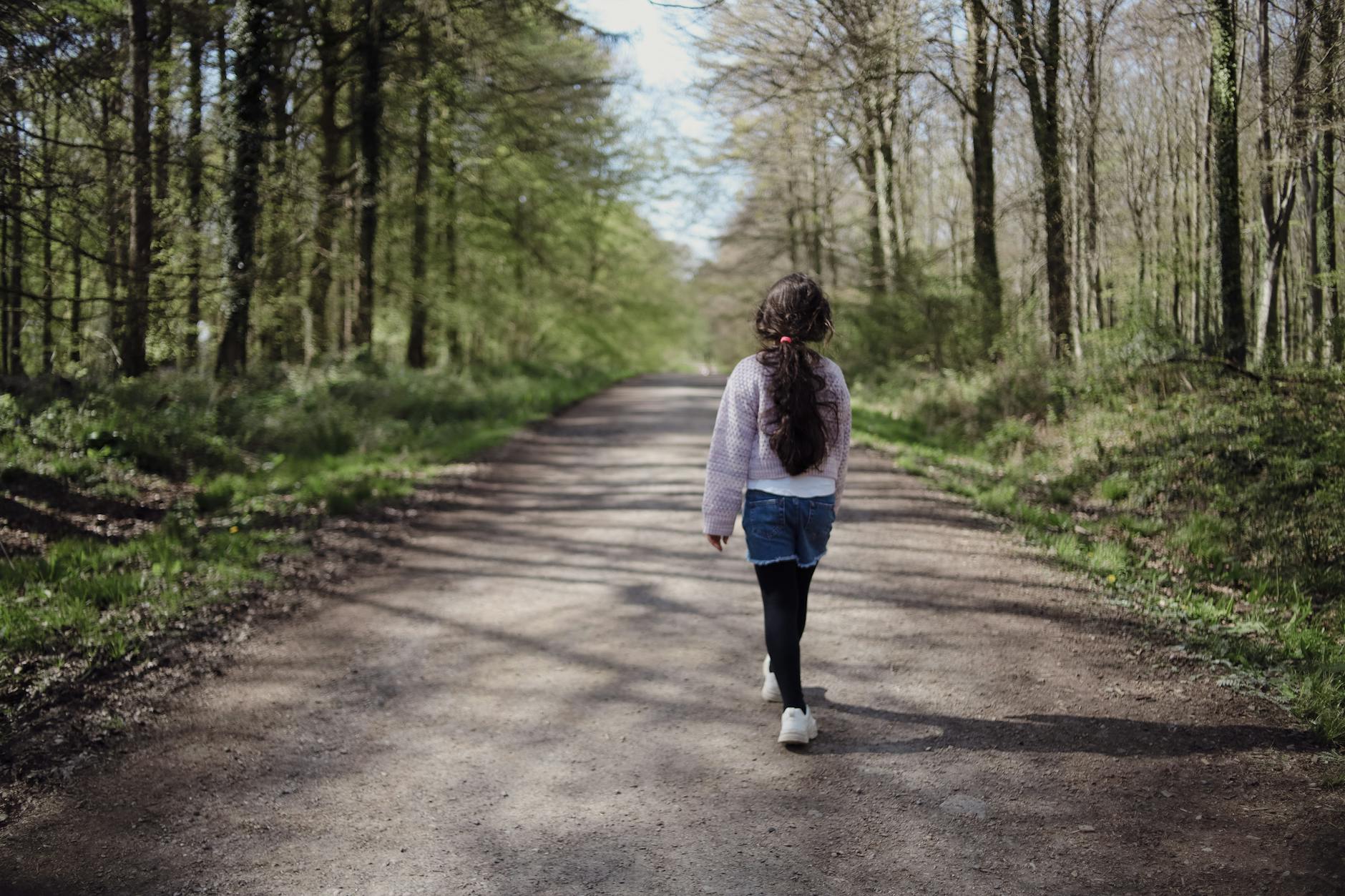
Instead of cramming the day with planned activities, you protect margin for the unexpected — the question that takes forty-five minutes to answer well, the afternoon when the children get absorbed in something unprompted, the day when everyone needs to just be outside.
The Evidence for Slow
The research on learning is, at its core, an argument for slow.
Spaced repetition — returning to material over time rather than covering it once and moving on — produces dramatically better long-term retention than massed practice. Depth of processing — engaging with material in multiple contexts, applying it, connecting it to other knowledge — produces better understanding than surface coverage.
The curriculum model that covers thirty topics in thirty days produces thirty partially understood things. The slow model that covers ten topics in thirty days, revisiting each multiple times in multiple contexts, produces ten things the student actually knows.
The slow way covers less. It produces more.
What Slow Homeschooling Looks Like in Practice
One book at a time, slowly. Our read-aloud never races ahead. We stop. We discuss. We look things up. We read the same chapter twice if something bears it.
Core subjects every day, everything else twice a week at most. Math and language arts are daily. History, science, and everything else rotate. This cuts daily required subjects from six to three, produces better retention in math and reading, and frees time for depth in the subjects that do get attention.
No curriculum until you know what you need. At the start of each year, we wait. We watch. We read. We notice what the children are drawn to. Then we choose materials. A curriculum purchased in response to a genuine interest is used. A curriculum purchased because it seemed comprehensive sits on the shelf.
Protected unstructured time every day. Two hours in the afternoon, minimum, where nothing is planned or required. This is not wasted time. This is the time when children build the things that education cannot: initiative, imagination, and the ability to entertain themselves with the materials of their own minds.
The Fear Underneath
The fear that prevents most families from slowing down is the fear of falling behind.
Behind what? The phantom standard. The imaginary comparison child who is doing everything well and covering everything and somehow not frustrated or burned out.
That child does not exist. Every child in every educational setting has gaps, struggles, and areas of uneven development. The question is whether those gaps are known and addressed or hidden and papered over.
A slow homeschool produces children whose gaps are visible and whose strengths are real. A fast homeschool produces children who have covered the material and may or may not understand it.
What Slowing Down Actually Requires You to Let Go
The harder part of slow homeschooling is not scheduling it. It is the internal permission to stop using busyness as proof that you are doing your job.
When the day is full of checked boxes and completed worksheets, it feels like something was accomplished. When the day involved reading one chapter slowly, building something outside, and a long conversation about something your child was wondering about, it can feel like nothing happened.
That feeling is misleading. The slow day often produced more genuine learning than the fast one. But it does not look like productivity in the conventional sense, and if you are wired to associate learning with visible busy-ness, slowing down will feel wrong for a while before it feels right.
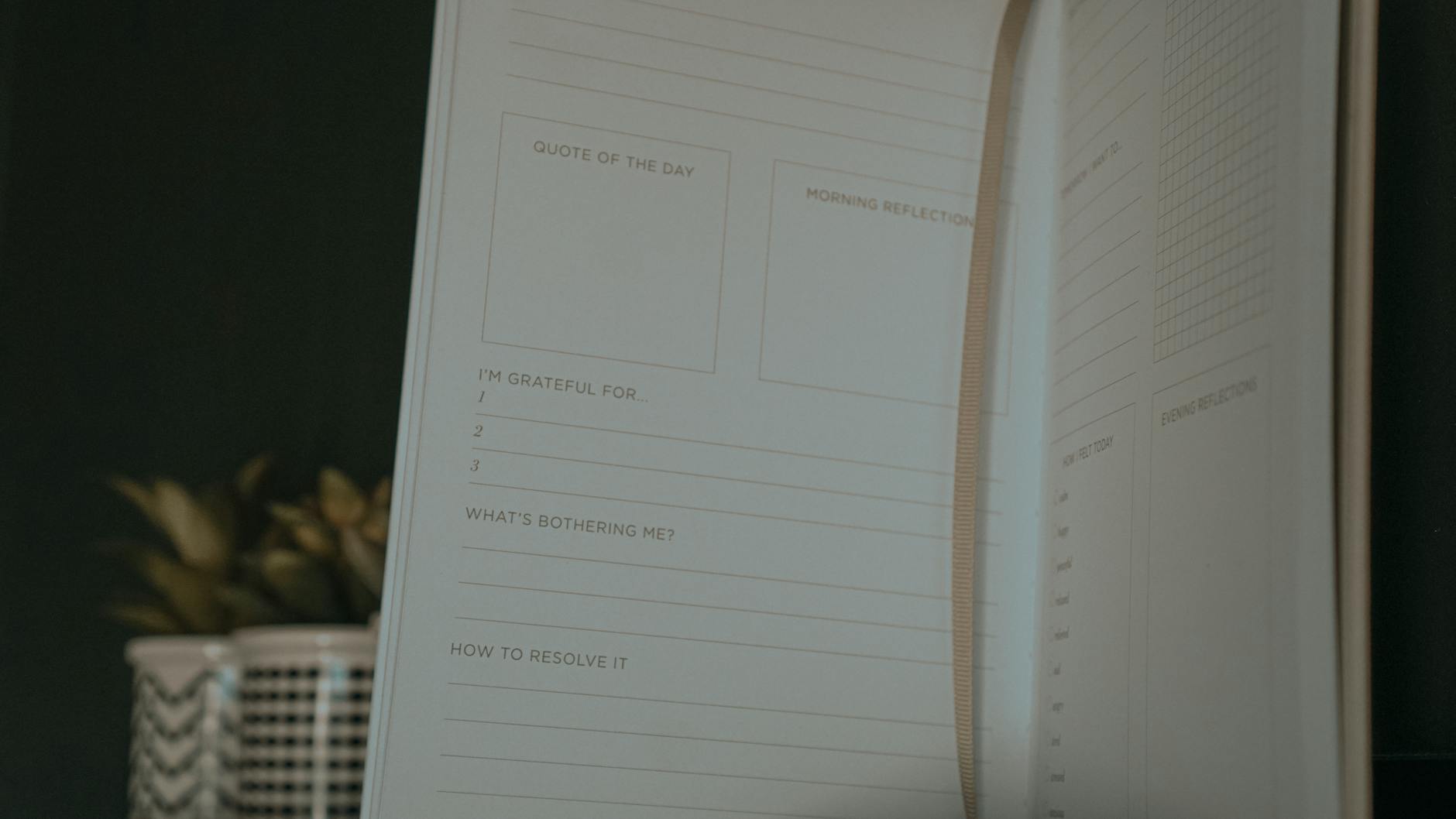
One practical thing that helped us: keep a simple "what we noticed today" log for a few weeks. Not a lesson log. Just a few sentences about what the children engaged with, asked about, built, figured out, or got absorbed in. After three weeks of that log, the productivity anxiety quieted significantly. The learning was happening. It just did not look like worksheets.
Subject by Subject: What to Cut First
When families first try to slow down, they are often paralyzed by the question of what to drop. Every subject feels essential. Every gap feels like a permanent failure.
Here is how I think about it.
Math is daily. Not because I love math but because math is cumulative in a way that other subjects are not. A gap in multiplication tables compounds. A gap in medieval history does not.
Reading and language arts are daily, but they do not require curriculum. Read-aloud counts. Copywork counts. Narration counts. Independent reading counts. You can produce a child with excellent language arts skills using almost no purchased materials.
History and science rotate on a weekly rhythm. We do history three days a week and science two days, or we flip. Never both full weeks at the same time.
Everything else, meaning art, music, foreign language, geography, and enrichment, goes on the "when we have energy and interest" list. Some of these get picked up deeply because a child becomes genuinely interested. Some get covered lightly. Some wait a year. The world does not end.
Slow Homeschooling for Different Ages
Slow looks different depending on where your child is.
For children under eight, slow homeschooling is almost entirely about protecting time for play and protecting read-aloud time. Formal academics at this age should be short, maybe twenty to thirty minutes total, and everything else should be free. The children who arrive at age nine or ten with rich imaginative inner lives and strong vocabulary almost always had enormous amounts of unstructured time in the early years.
For elementary-age children, slow means depth over coverage. One historical period deeply is worth more than a survey of all of history superficially. One science topic pursued until the child has real questions and real answers is worth more than a chapter-a-week progression through an encyclopedic curriculum.
For middle school, slow means following genuine interests even when they look academic. A twelve-year-old who spends three months going deep on astronomy is not behind in science. They are ahead in the skill of sustained self-directed inquiry, which is the skill that matters most in high school and college.
The Permission You May Need
You are allowed to teach fewer things.
You are allowed to go back and cover something again.
You are allowed to drop a curriculum that is not working and wait until you find one that does.
You are allowed to spend three weeks on one topic because everyone is interested and the interest is producing real learning.
You are allowed to call that school.
Slow is not behind. Slow is deep. There is a difference, and it matters.
The mindset shift that makes homeschooling work explains why the permission to slow down is not irresponsible. And homeschool self-care is what becomes possible when the pace is sustainable.
Written by
The High Vibe Homeschool Team
We are a homeschool family that has been doing this for seven years across three kids. We write about what we have actually tried, what failed, what surprised us, and what we would do again. No credentials. Just lived experience.
ENJOYED THIS ARTICLE?
Get more like it every week
Real homeschool life, in your inbox.
Keep Reading
More in Encouragement
 Encouragement
The Thing I Did Not Expect to Feel About Homeschooling
Seven years in, the thing I feel most is gratitude. Not because it has been easy. Because it has been real. Here is what I mean.
 Encouragement
Is Homeschooling Worth It? The Honest Answer After Seven Years
We are seven years in. Here is the honest accounting — what we gained, what we lost, what surprised us, and whether, given everything, we would do it again.
 Encouragement
When Homeschooling Is Not Working: An Honest Diagnostic
Not every homeschool year works. Here is how to tell whether you are in a rough patch that will pass or a genuine structural problem that needs to change — and what to do with either.