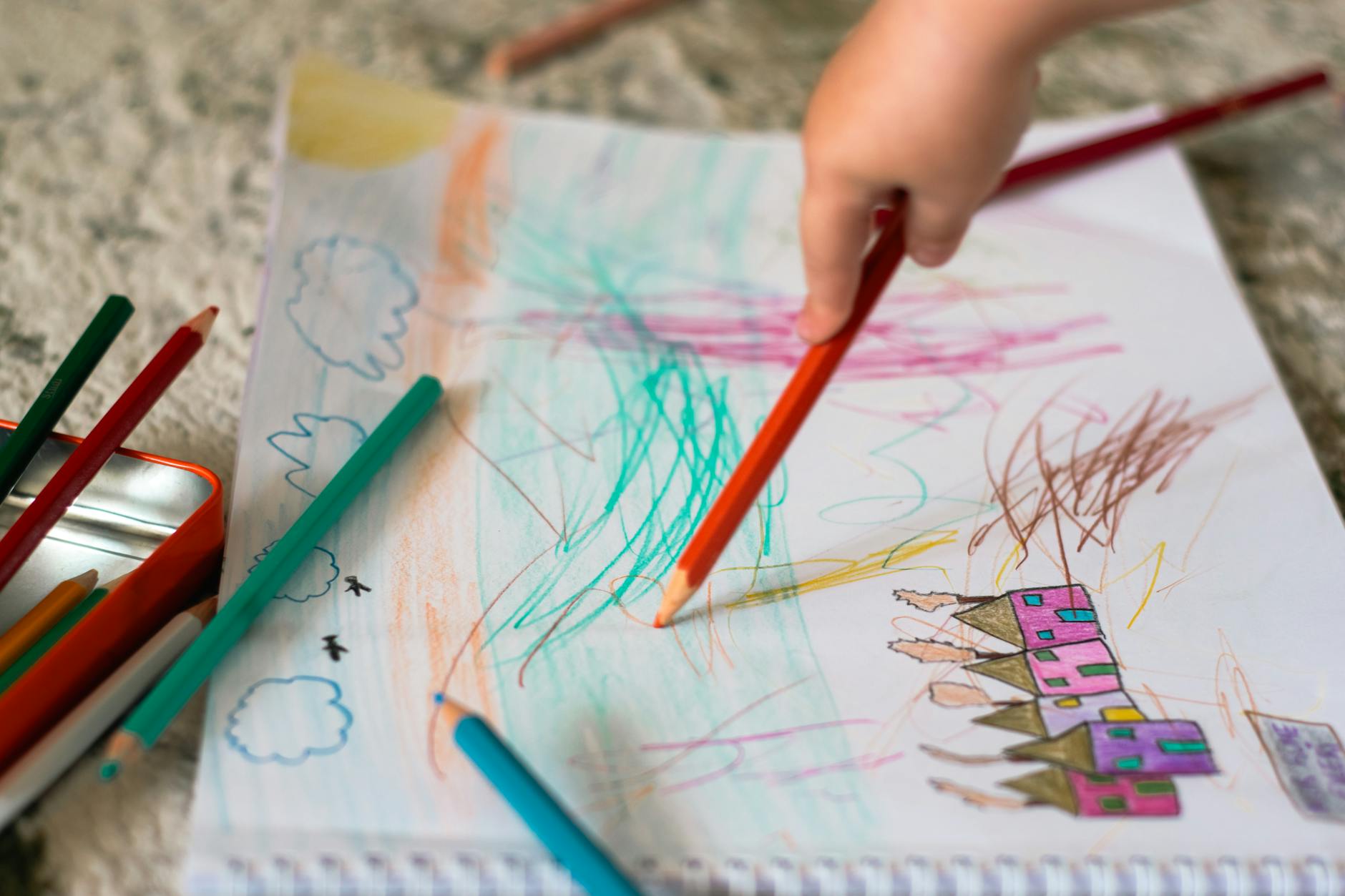
Art in Our Homeschool (And Why We Finally Ditched the Curriculum)
Three curricula, two years, and zero children who liked art class. Then we stopped doing art class and started making art. Here's what that actually looks like.
A little note: Some links in this post are affiliate links. If you click through and buy something, we earn a small commission at no extra cost to you. We only ever link to things we would genuinely recommend to a friend.
I bought three different homeschool art curricula in two years.
All of them were fine. Organized, well-sequenced, with projects tied to famous artists and historical periods. All of them produced children who did the project because I asked them to and did not touch art materials again until the following week's lesson.
One afternoon I abandoned the curriculum entirely and just put out watercolors, paper, and a cup of water and said nothing.
My daughter painted for an hour and a half. She had never done that before.
What Happened When We Stopped Doing Art Class
The shift was not as dramatic as a single afternoon makes it sound. We did not throw out structure entirely. What we changed was the relationship between art and assignments.
Instead of: here is the technique, here is the project, here is the finished product we are going for.
We moved to: here are the materials, here is a beautiful thing to look at, here is time.
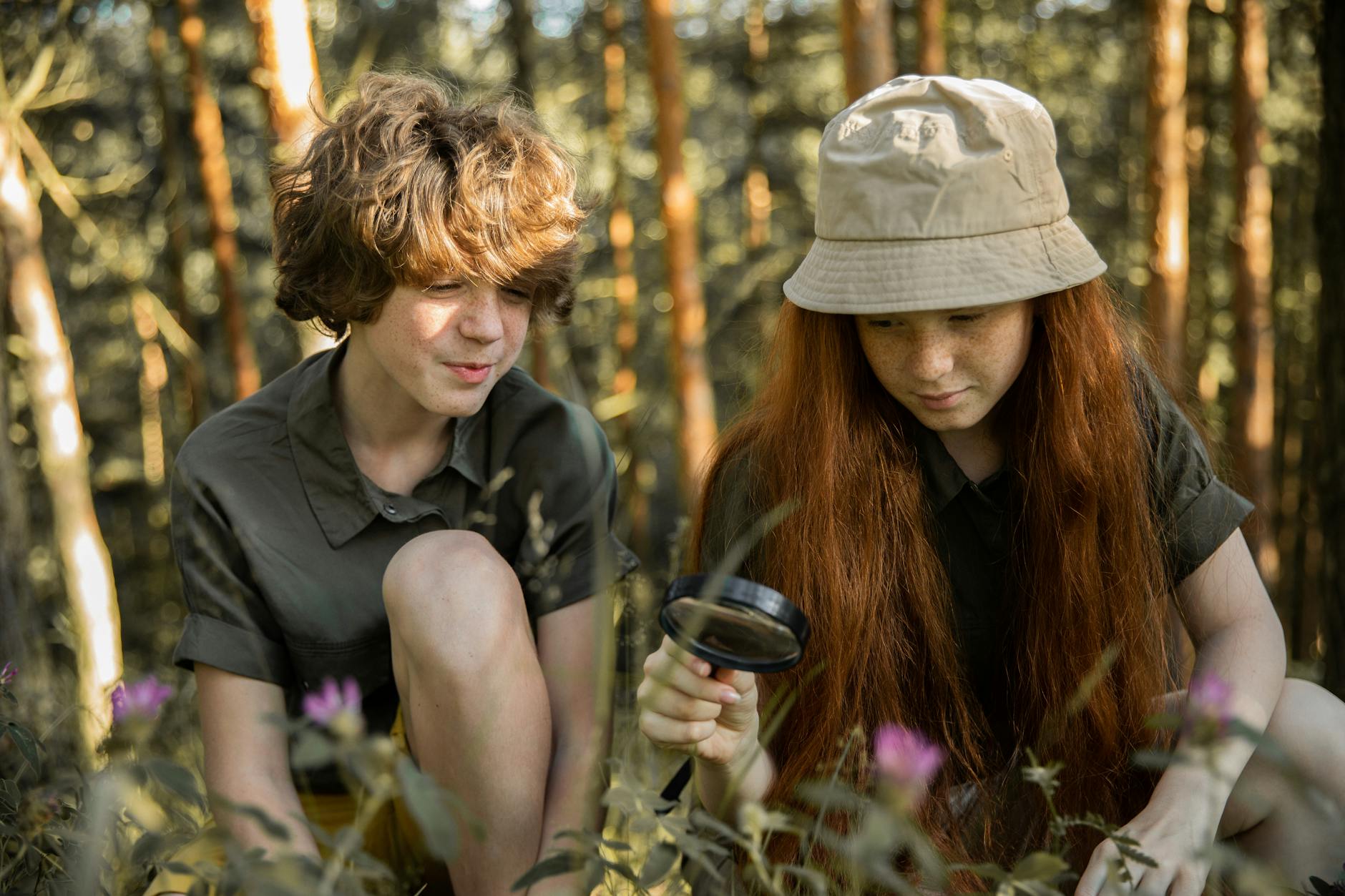
The prompts we kept were observation-based. "Go outside and draw something interesting you find." "Draw the inside of this flower as large as you can." "Spend ten minutes drawing the same chair from three different angles."
These prompts give a direction without dictating an outcome. Children who struggle with open blank pages often do well with an observational anchor. They are not trying to make something beautiful. They are trying to look at something true.
The Supplies That Changed Things
Not every art supply performs equally. The materials that have made the biggest difference:
Watercolors. Not the little plastic trays. Real pans in an actual tray. The difference in color depth and workability is immediate.
Good paper. Watercolor especially requires appropriate paper. Student-grade cold press watercolor paper (90 lb or heavier) costs more than copy paper and transforms the experience completely.
Colored pencils that actually blend. The waxy Crayola colored pencils children normally use are fine for some things and frustrating for layering. A small set of oil-based pencils opened up techniques my kids had given up on.
Sketchbooks. A dedicated sketchbook changes how children treat their art. It is theirs. Not a sheet pulled from a stack. Not a worksheet to turn in. A book they are filling over time.
Artist Study: the One Structured Thing That Stayed
One thing I kept from the formal curriculum world: artist study.
Once a month, we spend about twenty minutes with a single artist. We look at several of their works together. I share a few facts about their life and the period they worked in. Then we try something inspired by their technique or subject matter.
This is different from a lesson. There is no "correct" version of a Monet-style painting. We are just looking, absorbing, and seeing what happens when we pick up our own materials after.
My daughter's watercolor work shifted noticeably after we spent a month with Winslow Homer. My son started paying attention to shadows after we spent three weeks looking at Rembrandt. These were not direct imitations. They were something better: influence absorbed naturally through sustained looking.
Where Free Art Education Lives
The Art of Education University posts free content. Khan Academy has an impressive art history library, free and well-organized.
Google Arts & Culture lets you walk through museum galleries digitally at very high resolution. My kids have spent hours here. Zoom in on brushstrokes. See the under-drawing beneath a Vermeer. This is something even visiting the museum in person cannot always give you.
YouTube. The drawing and watercolor tutorial communities on YouTube are extensive and often extremely good. We have found tutorials by artists who are genuinely skilled and genuinely generous with what they know.
How We Actually Structure the Week
In case the "no curriculum, just materials" approach sounds too vague to work in practice, here is what our art week actually looks like.
Monday: open studio. Twenty to thirty minutes. Materials are on the table when we sit down. No direction from me. Some children draw, some paint, some just fiddle with materials and produce nothing that looks like art. All of this is fine.
Thursday: artist study or a specific observational exercise. Twenty minutes. We look together, talk briefly, then try something. I participate, which matters. A parent who sits with a sketchbook and draws something imperfect alongside their child is teaching something no curriculum can.
That is it. Two sessions a week, forty to fifty minutes total. What gets produced is more interesting and more varied than anything that came out of structured art class.
Some weeks, we skip Thursday entirely. Some weeks, Tuesday becomes a spontaneous watercolor afternoon because someone started something and could not stop. I do not fight the spontaneous sessions. They are the point.
What to Do When a Child Says "I Can't Draw"
Nearly every child says this at some point. Some say it with genuine frustration. Some use it as a reason to avoid trying.
My approach: "You're right that you can't draw the thing you're picturing in your head. Nobody can do that at first. But let's try drawing the thing in front of you."
The switch from imagination to observation changes everything. A child who is trying to draw "a horse" from imagination is fighting against an internal image they cannot achieve. A child drawing a specific horse they can see, a photo of a horse, or even a toy horse, is working from what is actually there. The results are always more interesting and more accurate.
Betty Edwards' approach from "Drawing on the Right Side of the Brain" is based entirely on this principle: stop drawing the symbol for a thing and start drawing the actual thing. We have used simplified versions of her exercises with children as young as seven, and the shifts in observational accuracy are real.
The child who "cannot draw" usually means: my drawing does not look the way I want it to. That is true for everyone, including adult artists. The way forward is not better talent. It is more looking.
The Nature Journal Connection
The practice that connects art most naturally to the rest of our homeschool is nature journaling.
Once a week, usually Tuesday afternoon in good weather, we take sketchbooks outside. No prompts, no instruction. Sit somewhere, pick something, draw it. Add written observations if you want.
Over three years, my daughter has filled two nature journals. They contain drawings of leaves, insects, mushrooms, weather, the neighbor's cat, a particularly interesting piece of bark. The quality varies wildly. Some pages are remarkable. Some pages are scrawls. All of them represent a child who learned to look at things.
Nature journaling requires nothing except a sketchbook, a pencil, and time outside. It is the most consistently productive art practice we have.
What Art in a Homeschool Is Actually For
I want to say this plainly because I spent too long thinking about it the wrong way.
Art in a homeschool is not preparation for an art exam. It is not resume-building. It is not even primarily about developing technical skill, though skill is a genuine good.
Art is for learning to look. Learning to look at a flower, a face, a street corner, a piece of music, a mathematical proof. Learning that looking takes time and that the reward comes from not looking away.
That habit of sustained attention is transferable to every subject you will ever teach.
The art curriculum is optional. The habit is not.
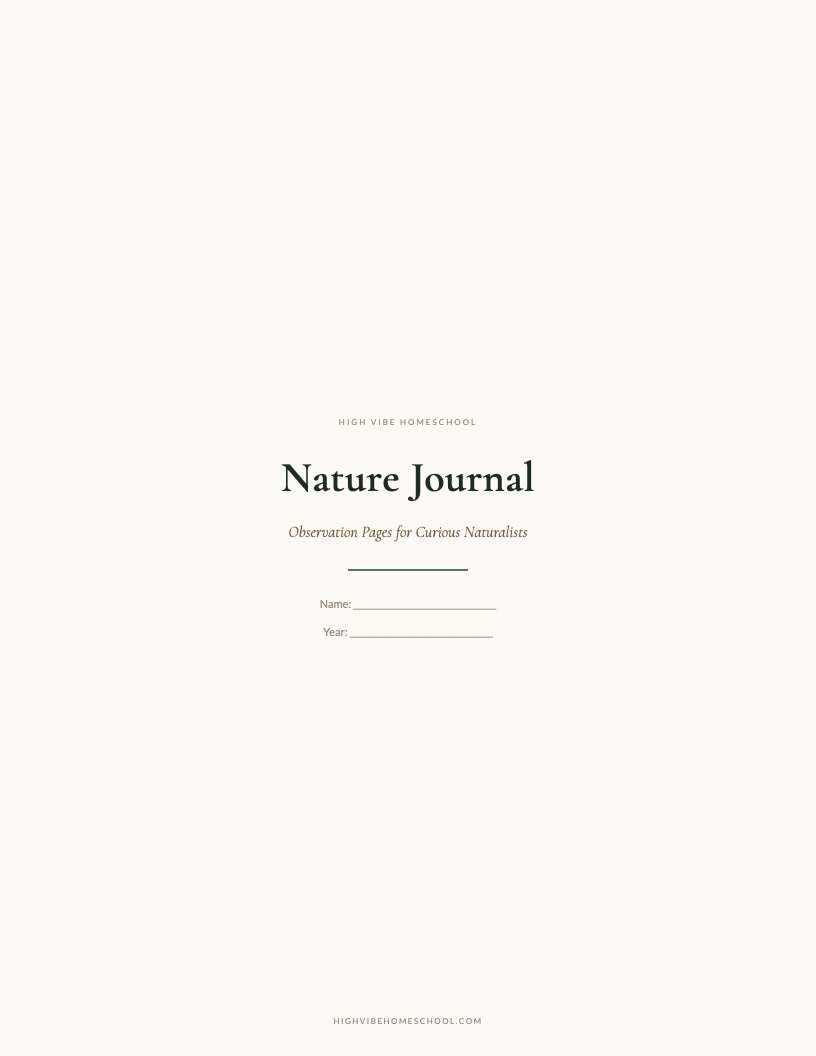
Free Download
Nature Journal Pages
5 illustrated pages for outdoor observation: drawing box, date, weather, and 'I wonder' prompts.
No spam. Unsubscribe anytime.
If you want more structure than free studio time, homeschool art curriculum covers the programs that have worked for families who need a framework. And nature journaling is the art practice that connects most naturally to outdoor learning.
Written by
The High Vibe Homeschool Team
We are a homeschool family that has been doing this for seven years across three kids. We write about what we have actually tried, what failed, what surprised us, and what we would do again. No credentials. Just lived experience.
ENJOYED THIS ARTICLE?
Get more like it every week
Real homeschool life, in your inbox.
Keep Reading
More in Daily Life
 Daily Life
How to End the Homeschool Year Well
The end of the homeschool year deserves more than quietly stopping. Here is how we close out the year intentionally — what we review, what we celebrate, and how we rest well before the next one begins.
 Daily Life
Homeschool Summer: How to Rest Without Losing Everything You Built
Summer in a homeschool is not the same as summer vacation. Here is how we structure ours — enough rest to restore everyone, enough continuity to make September feel like a continuation rather than a restart.
 Daily Life
Outdoor Science: The Homeschool Advantage You're Not Using
Most science curricula are indoor, textbook-based affairs. The outdoor world offers something they cannot: real science, happening in real time, available every day.