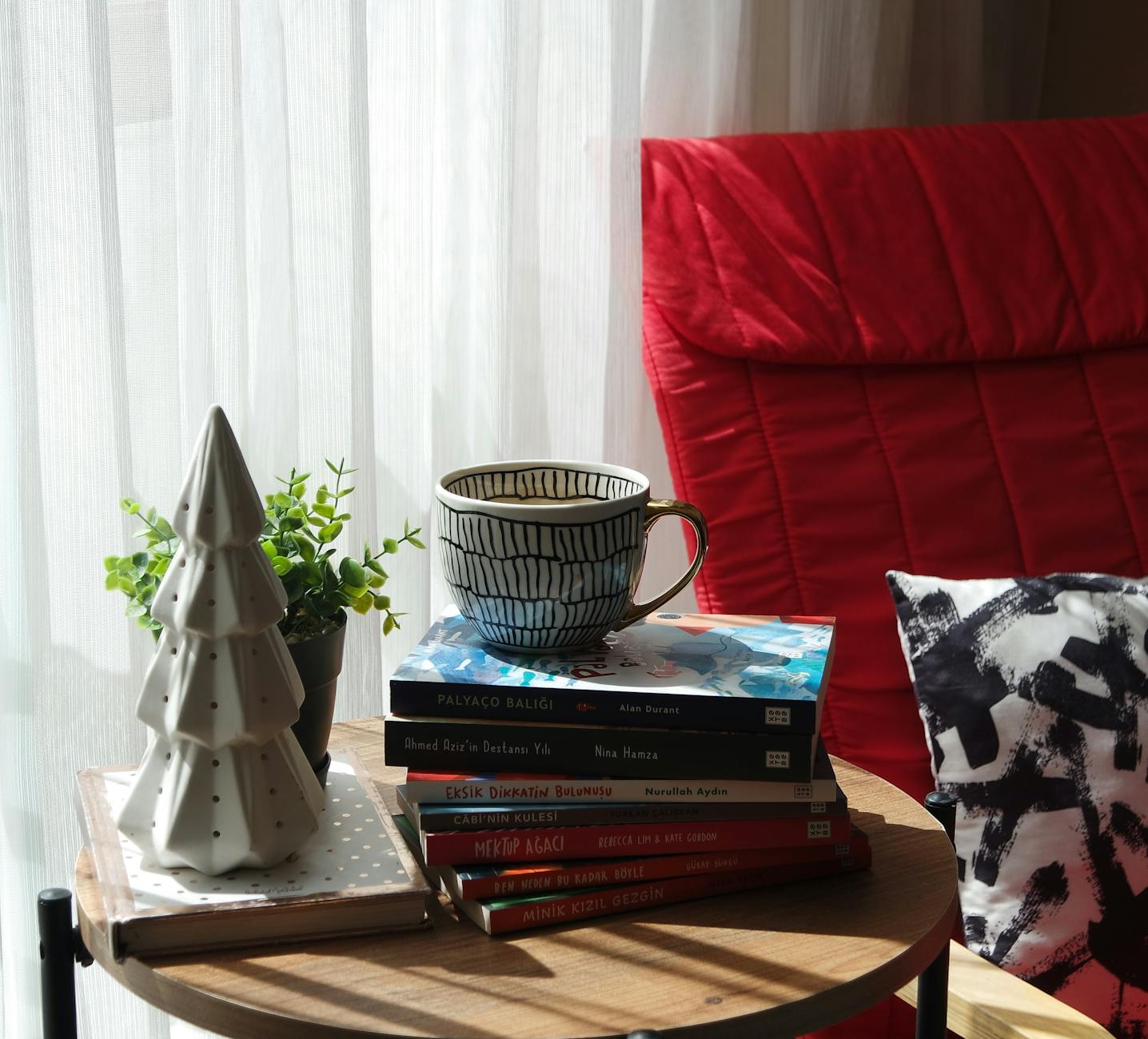
Building a Literature Spine for Your Homeschool
The best homeschool curricula are built around great books. Here is how to build a literature spine that connects your subjects, spans your child's interests, and leaves them with a real education.
A literature spine is a sequence of books that serves as the backbone of your curriculum.
Around the spine, you arrange everything else: history that matches the period or setting of the books, science that connects to themes in the stories, writing assignments inspired by what was read, art that reflects the visual world of the period.
The spine is not a list of books to check off. It is the organizing thread that makes a year of education feel coherent.
Why Literature Works as a Spine
Books are the most efficient delivery system for ideas.
A novel set in the American Revolution covers more history, more moral complexity, more human psychology, and more vocabulary in four hours of reading than a textbook covers in four weeks of study. A child who has read Johnny Tremain does not need to be taught the Boston Tea Party — they were there.
More than efficiency: books produce the emotional engagement that makes learning stick. We remember what we care about. A child who cares what happens to a character in a historical novel cares about the period, the choices, the consequences. That caring is the beginning of genuine understanding.
This is why we have organized our school around literature for seven years. Not because it is an ideological commitment, but because it works. Our kids retain what they read in stories in a way they do not retain what they read in textbooks. They talk about characters at dinner. They make connections months later. The books become a shared reference point for the whole family.
How to Build a Literature Spine
Start with the subject that organizes the year. For most literature-centered curricula, history is the organizing thread. What period or region are you studying this year? Start with that.
Find the best books in that area for your child's age. Use TWTM's literature appendix, Sonlight's book lists, or Ambleside Online's free curriculum. Books that have endured for decades are usually there for a reason.
Look for books that connect to each other. A unit on ancient Rome might include: The Roman Mysteries series for the early years, Ben-Hur for middle school, and Robert Harris's Pompeii for high school. The theme connects; the depth increases.
Add poetry and some nonfiction. A pure fiction spine misses dimensions of language that poetry and narrative nonfiction provide. One poem a week and one nonfiction book per semester rounds out a literature spine significantly.
Be willing to follow the child. The best literature spine is responsive. If a book lights something up — if the child talks about it at dinner and wants to read another book by the same author — follow that. The best book for learning is the one the child cannot put down.
A Sample Literature Spine by Period
Ancient History:
- D'Aulaires' Greek Myths (all ages)
- The Iliad (adaptation for younger; full text for high school)
- A Triumph for Flavius (elementary)
- The Bronze Bow (upper elementary/middle school)
Middle Ages:
- Adam of the Road (upper elementary)
- The Door in the Wall (upper elementary)
- Catherine Called Birdy (middle school)
- Ken Follett's The Pillars of the Earth (high school)
American History:
- Johnny Tremain (upper elementary/middle school)
- Little House series (all elementary ages)
- Number the Stars (upper elementary)
- To Kill a Mockingbird (high school)
Modern History / 20th Century:
- The Hiding Place (middle school)
- Night by Elie Wiesel (middle/high school)
- Unbroken (high school)
- Animal Farm + 1984 (high school)
How to Use the Spine
The spine is not the only reading that happens. It is the shared reading — what the parent reads aloud or assigns formally, what everyone is discussing.
Independent reading runs alongside it and is largely self-directed. The child reads what they love; the spine provides the common ground.
Narration, written responses, and discussion all happen in relation to the spine books. Writing assignments flow from what was read: compare these two characters. What would you have done in this situation. What does this scene show us about how people in this period understood the world?
The spine is a conversation starter that lasts all year.
Practical Questions About Running a Spine
How many books in a spine? For elementary ages, eight to twelve books over a school year is reasonable for a read-aloud spine. For middle school readers working independently, fourteen to eighteen books is manageable. High school students doing serious literary study might go deeper with fewer books rather than skimming through more.
What if a book does not land? This happens. Some books that are excellent by every objective measure leave a particular child cold. Give a book three or four sessions before abandoning it. If it is still producing nothing, set it aside and find something else that covers similar ground. The point is the learning, not the completion of the list.
Do you read everything aloud? Not necessarily. Our practice: read-alouds for the books we want to experience together, assigned independent reading for older children working on their own comprehension and stamina, and some books that both happen (we read it aloud first, then the child re-reads independently because they want to). What matters is that discussion happens, narration happens, and the books become something you engage with rather than something you get through.
What if siblings are different ages? This is actually one of the strongest arguments for a literature-based approach in a multi-age homeschool. A picture book biography of a historical figure works for a seven-year-old. The same historical period covered in a meaty middle-grade novel works for an eleven-year-old. Both children are in the same period of history; both are engaged at their level. The spine can have multiple tracks at different reading levels rather than a single book for everyone.
What a Spine Is Not
A literature spine is not a reading curriculum. Reading mechanics — phonics for beginning readers, fluency work, comprehension strategy instruction — happen separately. The spine assumes children are at the stage where reading is used for learning, not where reading itself is being learned.
A spine is also not a substitute for letting children read freely. The spine books and the independent reading stack should be different. The spine is the curated, discussed, responded-to reading. The independent reading stack is whatever the child grabs off the shelf because they want to. Both matter.
And a spine is not a requirement for a good education. It is a useful organizing tool. Families who use a strong history curriculum, or a science-centered approach, or a project-based model can build excellent educations without a literature spine. The spine is one approach, not the only approach.
Getting Started If You Do Not Have One
If you are mid-year and your homeschool does not have a spine, you do not need to wait until September.
Pick one book. One book that connects to what you are studying or that your child has expressed interest in. Read it together. Discuss it. Assign one piece of writing about it. See how that feels.
That is the beginning of a spine.
You do not need a fully planned year to start. You need one good book and the habit of engaging with it seriously. The rest follows.
Our favorite read-alouds for every age has curated picks for each level. And reading aloud to older kids explains why the spine works even with children who can read independently.
Written by
The High Vibe Homeschool Team
We are a homeschool family that has been doing this for seven years across three kids. We write about what we have actually tried, what failed, what surprised us, and what we would do again. No credentials. Just lived experience.
ENJOYED THIS ARTICLE?
Get more like it every week
Real homeschool life, in your inbox.
Keep Reading
More in Curriculum
 Curriculum
Math Games That Make Numbers Come Alive (Even for the Kid Who Hates Math)
My son cried at math worksheets for two years. Then we found games. Here are the ones that changed everything — no flashcards required.
 Curriculum
Living Books: What They Are and How to Find Them
Charlotte Mason's term for books that feel alive. Here's what makes a book 'living,' why it matters, and a list of the ones that have done the most for our homeschool.
 Curriculum
Teaching Writing at Home (When You Don't Feel Like a Writing Teacher)
Writing is the subject most homeschool parents fear most. Here's how we finally made it work — and the approach that produces the most growth for the least friction.