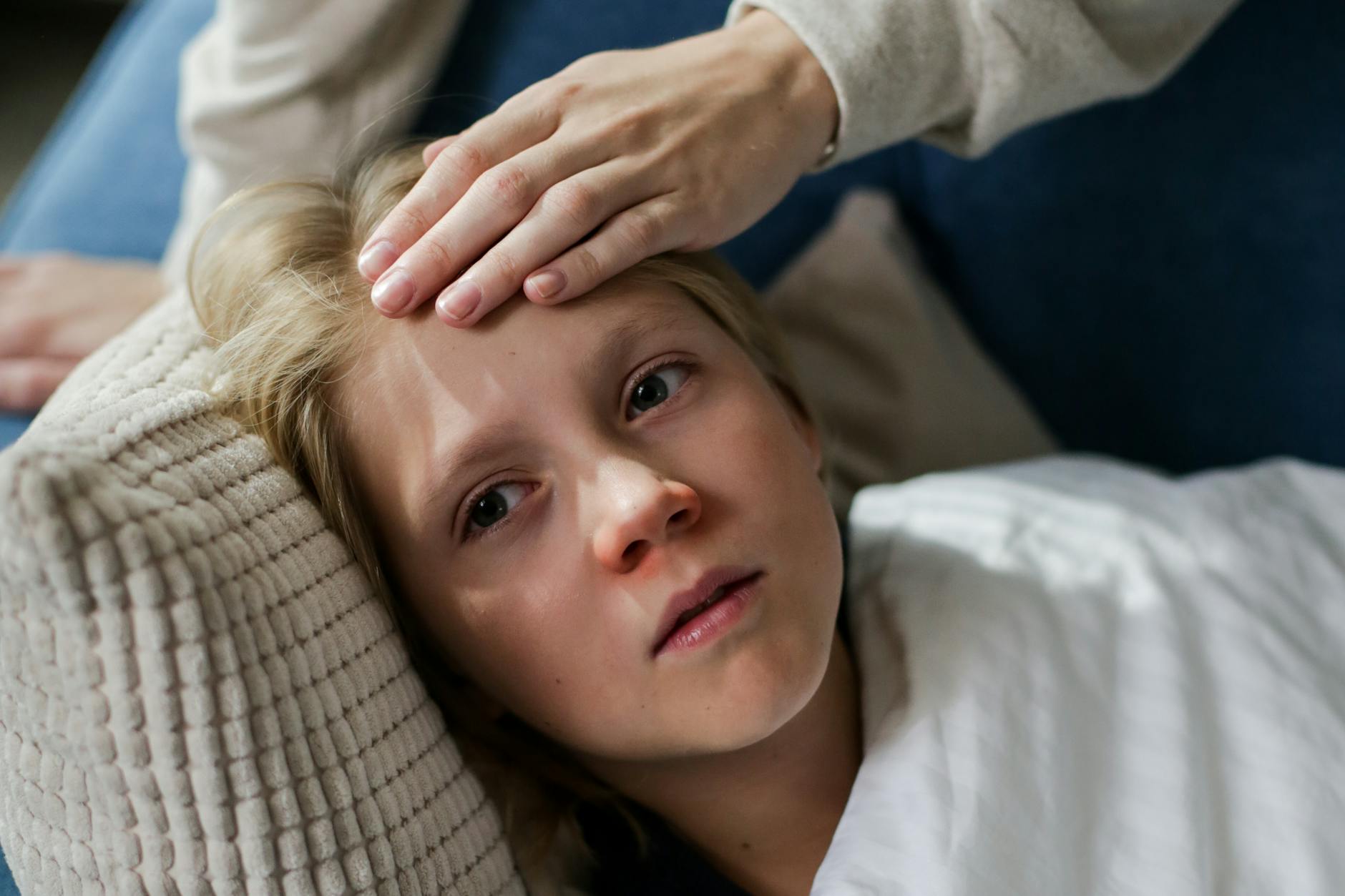
How to Homeschool When Someone Is Sick
Everyone gets sick, and when you homeschool, illness lands differently. Here is how to handle sick days, sick weeks, and chronic illness without guilt or falling behind.
In a school family, when a child is sick, you call in sick and the school continues without them.
In a homeschool family, when a child is sick, the school stops. And when the parent is sick — which is somehow harder — the school stops too, but the parent is still there, still technically in charge, still responsible.
Illness is one of the experiences that new homeschool families often do not anticipate, and it is one of the most common sources of guilt and fallen-behind feelings during the first few years.
When the Child Is Sick
Rest. That is the curriculum on sick days.
A child who is genuinely ill needs to be allowed to be ill. They do not need light schoolwork. They do not need to keep up. They need rest, hydration, warmth, and the kind of low-key care that a sick child requires.
The academic work will still be there when they are better. A child who misses a week of school while sick does not fall behind in any meaningful sense. Illness is a normal interruption in an annual rhythm that has built-in slack.
What can be offered without pressure:
- Audiobooks. A sick child who cannot read can listen. Many children who are mildly ill but not feverish will happily listen to audiobooks for hours.
- Read-alouds. The parent reading to a child who is resting is both restful and educational.
- Gentle interest-led projects. A child who feels better but is not fully recovered might want to draw, build with Lego, or work on a low-demand project they find comforting.
Do not try to keep school going at full speed during illness. The attempt will produce frustration and a longer recovery.
When the Parent Is Sick
This is harder.
A parent who is genuinely sick needs to rest too. The difficulty in a homeschool is that resting feels like abandonment of the educational responsibility.
Practical approaches:
Give the children a day of self-directed learning. Older children can read independently. Younger children can have screen time without guilt — a day of documentaries or educational content is fine when the parent is sick. Educational games, puzzles, drawing, building.
Lower the bar. One read-aloud, one math review, then the rest of the day is free — that is school for the day. On a sick day, this is enough.
Ask for help. A spouse, grandparent, trusted friend, co-op family — call in support when you genuinely need it. One of the practical advantages of having a homeschool community is having people to call.
Accept that the school pauses. The homeschool year has built-in slack. You do not need to use every day in September through June. Sick days count toward the total but do not need to be made up day-for-day.
How Much Is Too Much to Miss?
This is the question that lurks under every illness. Two days of flu — fine. But what about two weeks? What about the child who is sick three or four times through the winter?
Here is an honest way to think about it.
A typical homeschool year has somewhere between 160 and 180 planned school days. If you miss 20 of them to illness over the course of the year, spread across five or six separate bouts of sickness, you still have 140 to 160 functional school days. That is a complete and thorough education.
The curriculum does not evaporate when you pause it. A math book you stop on page 72 in January picks up on page 72 in February. You do not lose the learning that happened before the illness. You just lose the days.
For most families, illness-related missed days — even in a genuinely sick year — do not require any catch-up beyond just resuming where you left off.
Where it does require thought is if the same illness keeps returning. A child who gets sick every three weeks is telling you something, and part of the answer might be adjusting the pace of the homeschool to support recovery rather than treating every recovery as a race back to full speed.
What to Have Ready Before Anyone Gets Sick
If you wait until you are running a fever to figure out how your homeschool handles illness, you will make bad decisions from a desperate position. Plan for sick days in advance, when everyone is healthy.
Some things worth having ready:
An audiobook queue. Know which audiobooks your children enjoy and have them loaded or accessible. This is the single highest-return investment for sick days. A sick child listening to a good story is resting, not falling behind.
A "sick day shelf." A physical shelf, or a designated corner of the room, with activity books, coloring books, puzzles, Lego sets, or drawing materials that only come out on sick days. The novelty sustains interest without requiring any adult energy.
A clear list of what constitutes a school day at minimum. When everyone is healthy and you are thinking clearly, write down what your minimum viable school day looks like. For us it is: one read-aloud chapter, one independent reading session, and one math practice page. Everything else is optional. Having this written down means you are not negotiating the bar while sick.
A contact you can call. Someone in your homeschool community who has children your kids' ages and who would take them for an afternoon if you genuinely cannot function. Make this arrangement in advance. Actually make it. Not as a hypothetical — as an agreement.
Chronic Illness and Homeschooling
Some families homeschool specifically because a parent or child has chronic illness that makes conventional school attendance impossible.
For these families, the question is not how to handle sick days but how to structure a sustainable school that accommodates the unpredictable.
Key principles for chronic illness in the homeschool:
Design for the bad days, not the good days. A homeschool structured around what is achievable on the best days will fail consistently. Design a minimal viable school — what can happen on the worst manageable day — and treat anything above that as bonus.
Build in more slack than you think you need. More rest days. More recovery time. More flexibility in the schedule. If you plan for 160 school days and actually do 140, the education is fine.
Do not compare to healthy-family homeschools. Your standard is what is achievable in your family's actual circumstances, not what a family without health constraints produces.
Celebrate what does happen. Chronic illness creates a tendency to see only the days that did not work. Counting what was accomplished rather than what was missed is more accurate and more sustainable.
When the Sick Season Feels Endless
Some winters are worse than others. You get a week off, come back, do three days, and then someone has strep. The cycle repeats from November through February and by March you are exhausted and convinced you have ruined your children's education.
This is the moment to look at the cumulative picture rather than the individual weeks.
Pull out your planning notes from September. Look at what you actually accomplished before the sick season started. Look at what your children know now that they did not know then. The accumulation of learning does not disappear during a hard winter. It just gets harder to see when you are inside it.
One practical tool: keep a simple log — not a detailed record, just a sentence or two each day noting what actually happened. On a sick week, write down "sick, listened to two hours of audiobook, read aloud at bedtime." During the hard winter months, that log becomes the evidence that things are better than they feel.
The feeling of falling behind is almost never accurate. It is a stress response, not an assessment.
Rest days in the homeschool covers the built-in rest that every homeschool needs. And homeschool overwhelm is for when the pressure of imperfect days has accumulated too long.
Written by
The High Vibe Homeschool Team
We are a homeschool family that has been doing this for seven years across three kids. We write about what we have actually tried, what failed, what surprised us, and what we would do again. No credentials. Just lived experience.
ENJOYED THIS ARTICLE?
Get more like it every week
Real homeschool life, in your inbox.
Keep Reading
More in Daily Life
 Daily Life
How to End the Homeschool Year Well
The end of the homeschool year deserves more than quietly stopping. Here is how we close out the year intentionally — what we review, what we celebrate, and how we rest well before the next one begins.
 Daily Life
Homeschool Summer: How to Rest Without Losing Everything You Built
Summer in a homeschool is not the same as summer vacation. Here is how we structure ours — enough rest to restore everyone, enough continuity to make September feel like a continuation rather than a restart.
 Daily Life
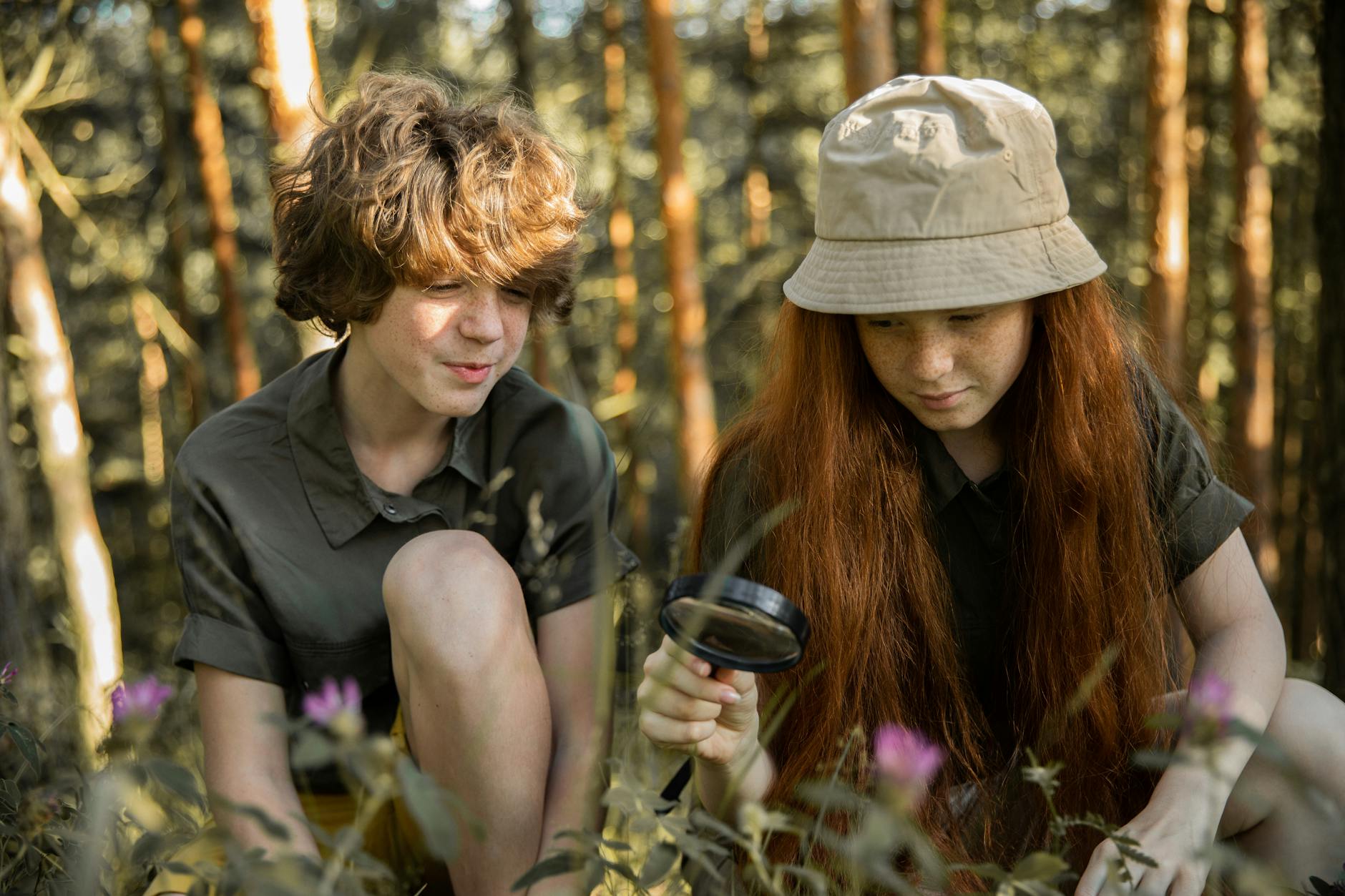
Outdoor Science: The Homeschool Advantage You're Not Using
Most science curricula are indoor, textbook-based affairs. The outdoor world offers something they cannot: real science, happening in real time, available every day.