
The Rest Day: Why Your Homeschool Needs One
The families who last in homeschooling have one thing in common: they protect rest. Not as laziness, but as strategy. Here is how to build a real rest day into your week.
The question is not whether you need a rest day. The question is whether you will be intentional about it or whether you will wait until you collapse.
Every sustainable rhythm has rest built into it. The body requires it. The mind requires it. The relationship between parent and child requires it.
Homeschooling is a long project — twelve years, more or less. The families who complete it are not the ones who pushed hardest in year one. They are the ones who built something they could sustain.
What a Rest Day Is Not
It is not a day where everyone sleeps until noon and watches television. (Though some rest days might include those things, in moderation, without guilt.)
It is not a day off from parenting. You are still the parent.
It is not a day when learning stops — because learning never stops, and you do not want it to. Rest days often produce some of the most organic learning of the week.
What it is: a day without a lesson plan. Without a schedule. Without the weight of objectives and coverage and the measuring of whether enough was done.
What Happens on a Rest Day
Different families use rest differently. Some patterns that work:
Free time. Real, unstructured free time for children, with no screen default and no planned activity. This is rarer than it sounds. Boredom resolves into creativity at a rate that is surprising if you have not experienced it.
Projects. Many children have something they want to build or make or explore that gets squeezed out by the curriculum. Rest day is when the LEGO city expands, when the blanket fort is constructed, when the backyard experiment gets tried.
Reading. Not assigned reading. Just reading.
Family time that is not educational. A board game. A walk. A movie. Something together that is not about what we are learning.
Errands and ordinary life. The rest day does not have to be extraordinary. Sometimes it is the day you go to the grocery store together, cook something more elaborate than usual, putter around the house. Ordinary days are part of life, and children learning to inhabit ordinary days with contentment is a real educational outcome.
What Our Rest Day Actually Looks Like
We take Friday as our rest day. This was not a careful philosophical choice. It is what worked when we tried it and what we have kept.
Friday mornings have no scheduled school. The kids are up when they are up. Breakfast is unhurried. They read, build things, argue about which game to play, wander outside. I have coffee while it is still hot.
In the afternoon we sometimes go somewhere — the library, a trail, a friend's house. Sometimes we do nothing. Dinner on Fridays is usually something that requires more time because there is more time.
What I notice: by Saturday morning, we are genuinely refreshed in a way that a full five-day week does not produce. The children are more patient with each other. I am more patient with them. Monday's school morning is easier because we came to it from rest rather than from momentum.
That reset is worth more than the school day we gave up.
How to Protect It
Rest days have enemies.
The first enemy is guilt. The nagging feeling that resting is falling behind, that other families are doing school today, that you should be doing more.
The antidote to guilt is conviction. You have to actually believe that rest is a necessary part of the rhythm, not a concession to laziness. When you believe it, you can protect it.
The second enemy is drift. The rest day that has no structure at all tends to fill with screens. Some screens are fine. A whole day of screens is not a rest day — it is an avoidance day.
A simple structure: a morning that is genuinely free (outside, projects, play), an afternoon with one family activity, and a dinner that is slightly more intentional than usual. Enough shape to prevent drift, not enough to feel like school.
The third enemy is the exceptional week. There will always be a week where keeping the rest day means something else does not get done. The families who protect their rest days have decided that the rest day is the thing that does not get cancelled. Everything else negotiates around it.
The Science Behind Rest and Learning
This is worth saying plainly: unstructured time is not wasted learning time. It is part of the learning cycle.
Memory consolidation happens during rest. The material a child encountered during the school week gets processed and integrated during downtime, during sleep, during the wandering afternoon that looked like nothing.
Creative problem solving, which is genuinely a skill and genuinely teachable, requires unstructured time to develop. Children who are always busy and always directed do not have the opportunity to encounter boredom and find their own way out of it. That process — boredom to exploration to absorption — is some of the most important cognitive work children do.
This is why the rest day is not a cost to the education. It is part of the education.
What Children Do With Unstructured Time
It depends on the child and depends on what they have been allowed to develop.
A child who has always had structured time and has never been left to find their own activity will struggle at first. The first few rest days may produce genuine complaint about boredom. Stay with it. The complaint is a transition, not a permanent state.
What we have seen on rest days over the years: elaborate LEGO construction projects that lasted three consecutive rest days. A phase where our oldest read for six consecutive hours on every rest day. A period where two of the kids decided to build a wooden structure in the backyard and spent every Friday afternoon on it for a month. A fascination with cooking that started when I let my youngest putter in the kitchen unsupervised one Friday afternoon.
None of these were things I planned. They happened because there was time and space for them to happen. That is the rest day's gift.
The Long Game
We know families who have homeschooled for fifteen, twenty years. When you ask them what made it sustainable, rest comes up consistently.
Not rest as an occasional indulgence, but rest as a structural commitment. Built into the week. Protected from the pressure to do more.
The children who grew up in these families learned something beyond the curriculum: that rest is not a reward for productivity. It is a necessity for being human. It belongs in a life.
That is worth teaching.
Homeschool self-care goes deeper on the daily practices that keep you going. And when you are struggling to find the joy, homeschool burnout recovery is for you.
Written by
The High Vibe Homeschool Team
We are a homeschool family that has been doing this for seven years across three kids. We write about what we have actually tried, what failed, what surprised us, and what we would do again. No credentials. Just lived experience.
ENJOYED THIS ARTICLE?
Get more like it every week
Real homeschool life, in your inbox.
Keep Reading
More in Wellness
 Wellness
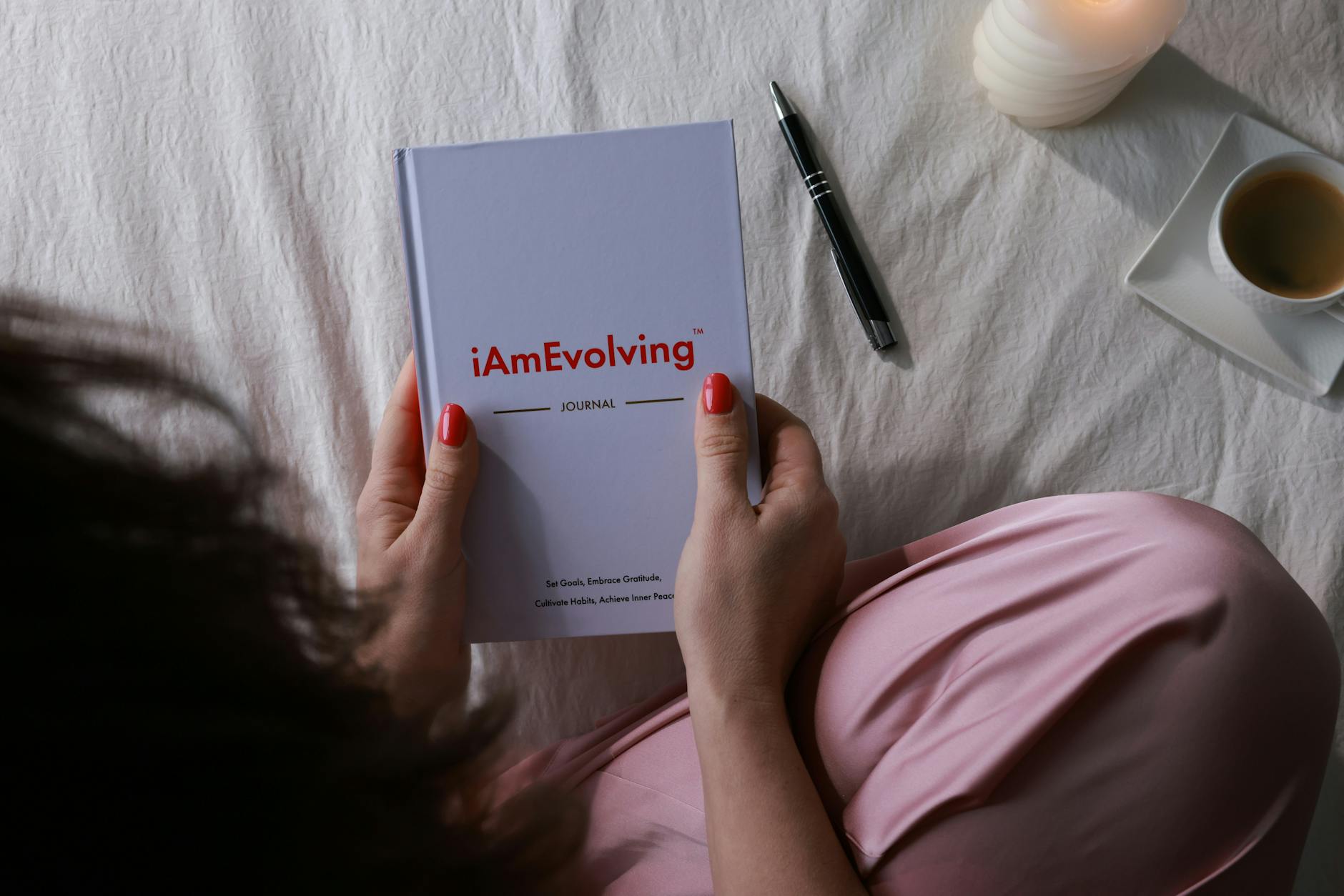
Gratitude as a Homeschool Practice: Why It Changes Everything
A brief, concrete practice that has changed the tone of our homeschool days — and why starting with what went right is more powerful than most curricula I have ever purchased.
 Wellness
Daily Self-Care for the Homeschool Mom (That Actually Fits in Real Life)
Not a five-step morning routine. Not an hour of meditation. The small, sustainable practices that keep homeschool moms functioning on the ordinary days.
 Wellness
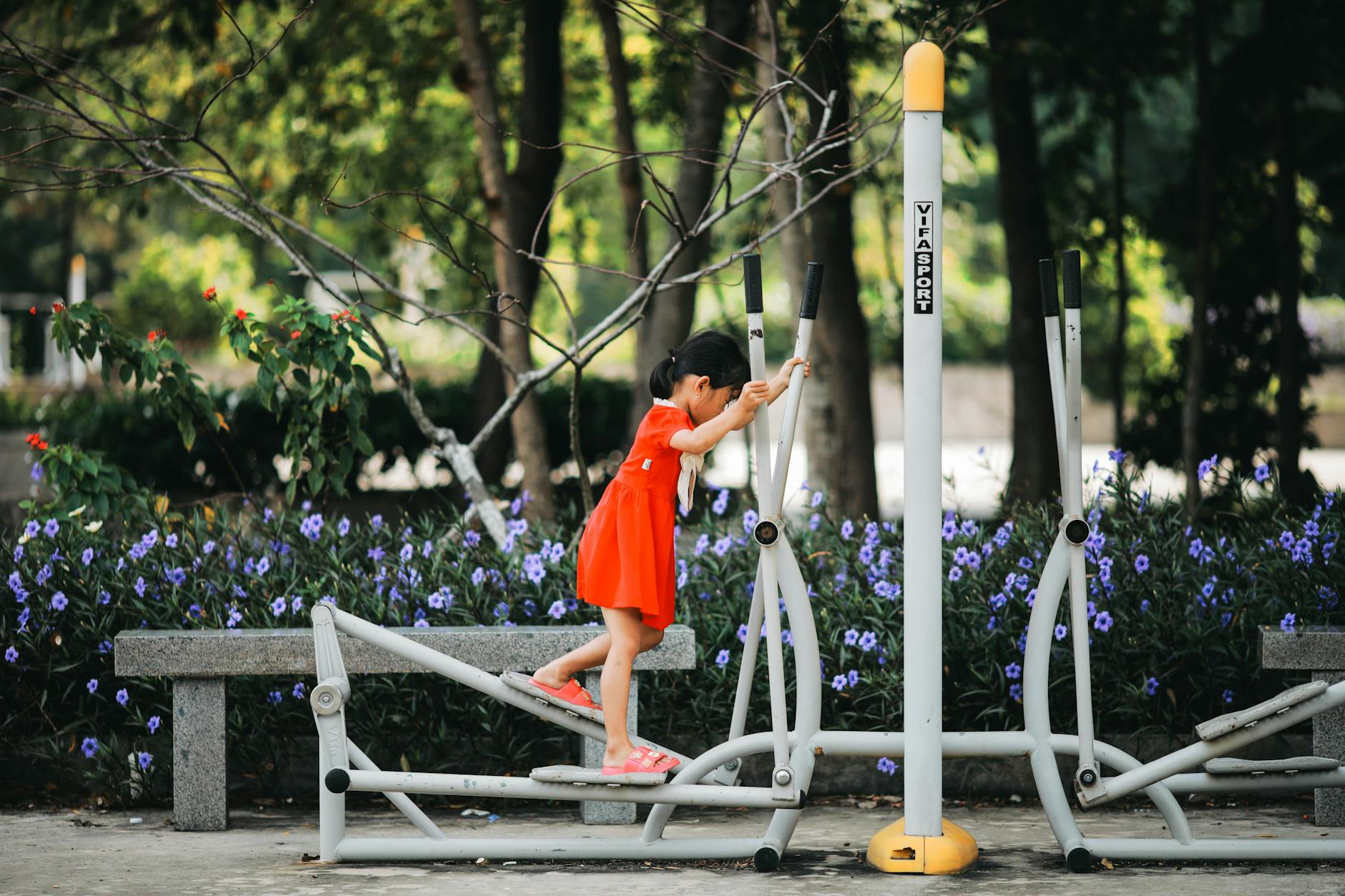
Movement in Your Homeschool Day: Why It's Not a Break From Learning
The research on movement and learning is clear enough that I now consider it non-negotiable. Here is how we have woven physical movement into our school day in ways that do not feel like P.E. class.