Strewing: The Simplest Way to Spark Curiosity in Your Homeschool
Strewing is Charlotte Mason's word for the practice of placing interesting things in a child's path and stepping back. Here is how to do it well and why it produces better engagement than almost any planned lesson.
Strewing is not a curriculum. It is not even a practice, exactly. It is a posture toward your child's education.
Charlotte Mason did not use the word strewing, but the concept runs through her work: the educator's job is to provide rich encounters with the world — books, objects, experiences, ideas — and then step back and let the child's nature do the rest.
The modern homeschool community has given this a name, and it is one of the most useful concepts I have encountered.
What Strewing Is
You place something interesting in your child's environment and leave it there, without instruction, without expectation, without follow-up.
A library book left on the kitchen table. A magnifying glass next to a bowl of interesting rocks you found on your walk. A documentary playing in the background while you make dinner. A beautiful photograph on the coffee table. A basket of interesting objects the child has never seen before.
You strew the item. You do not assign it.
The child may pick it up or may not. If they do not, you notice this and strew something different. If they do pick it up, you observe what happens and strew more in that direction.
Why It Works
Curiosity is intrinsically motivated. A child who picks something up because they want to know about it is in a completely different cognitive state than a child who engages with the same material because they are required to.
Strewing is a low-cost way to test which interests are genuine. A child who ignores three consecutive books about ocean life probably does not have a genuine interest in ocean life right now. A child who reads all three and asks for more has revealed something worth following.
There is also something important about the absence of pressure. A child who knows they will not be quizzed, assigned a report, or required to produce anything based on what they pick up is free to engage with genuine curiosity rather than performance. School conditions train children to interact with material as a task. Strewing gives them permission to interact with it as humans naturally do: by picking things up and putting them down, returning to them, ignoring them, suddenly becoming obsessed with them three weeks later.
What to Strew
Books from the library on topics slightly outside your current curriculum. Not replacements — supplements. If you are studying ancient history, strew a book about Egyptian mummification or Greek mythology that you did not assign.
Interesting objects. A mineral sample. A feather. A strange seed pod. A magnifying glass with a note that says "this came from outside today." The object asks to be investigated.
Art materials in unexpected configurations. Watercolors on the table with a fresh piece of watercolor paper. Clay left out with no instructions.
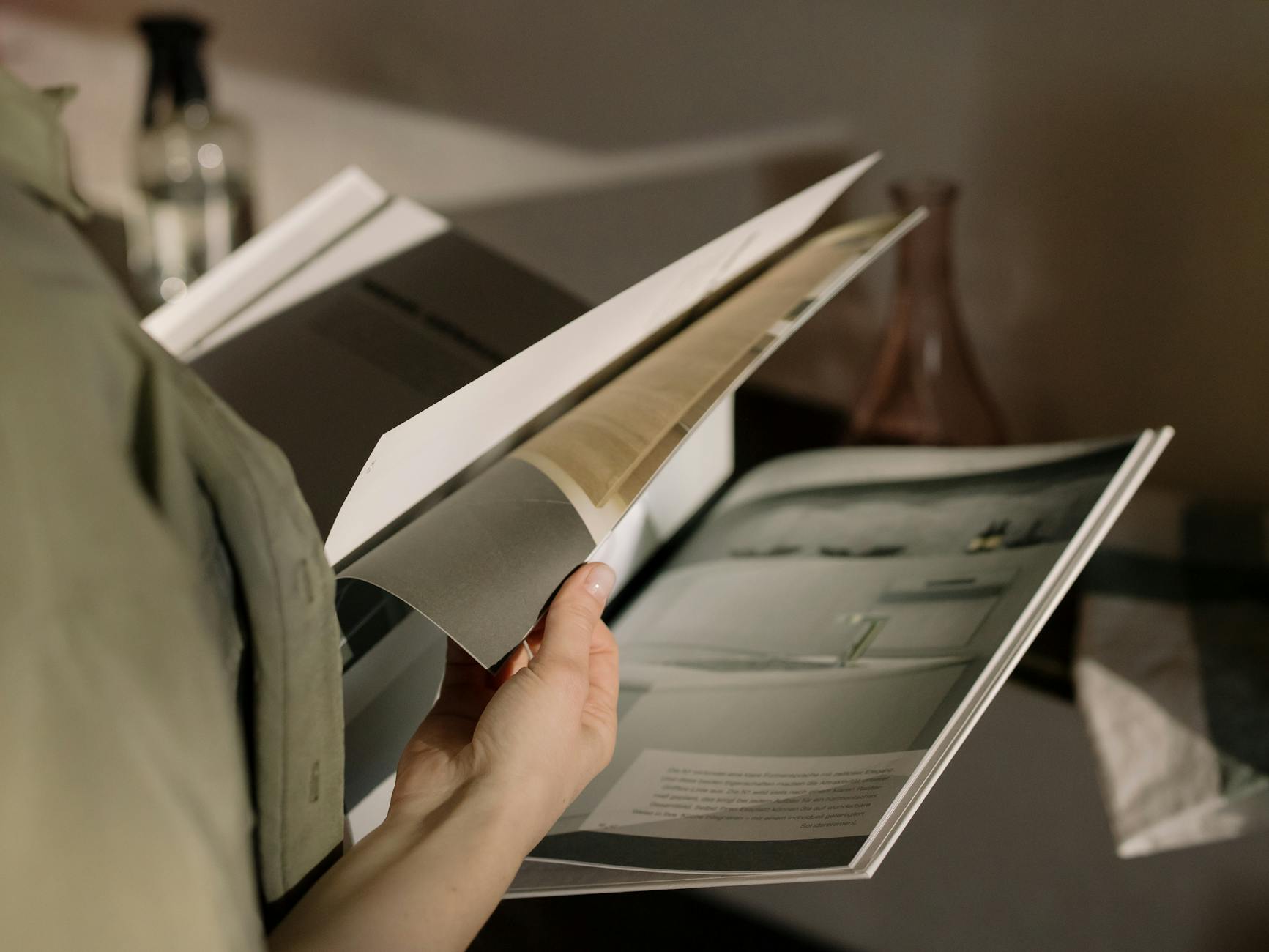
Beautiful books. Field guides, atlases, illustrated histories, art books. Books the child is allowed to pick up and look through without being expected to read cover to cover.
Tools. A kitchen scale. A measuring tape. A compass. Tools invite purposeful use.
The results of your own interests. Leave out the book you are reading. Leave your sketchbook open on the table. Cook something unfamiliar and let the children watch without explanation. Your genuine interests are among the most powerful things you can strew, because they are visibly real to the child.
Practical Strewing Across Different Ages
The method is the same at every age, but what works shifts considerably.
For children under seven: Physical objects do the most work. Interesting rocks, a butterfly wing, a set of nesting cups, an egg shaker, a simple kaleidoscope. Keep it tactile. Books can be picture-heavy and without text. The child at this age is exploring with their hands first.
For children seven to eleven: Books come into their own here. Field guides, how-things-work books, DK encyclopedias, illustrated chapter books left face-up so the cover is visible. Also audio: a documentary running in the background, an audiobook in the car, music from a different culture or time period. This age group is often deeply interested in collections, so strewing a small collection of something (stamps, interesting rocks, pressed leaves) can ignite weeks of interest.
For middle schoolers: This age requires subtler strewing. A book left on their desk rather than the common table. A magazine or article that addresses something they have been thinking about, left without comment. A documentary mentioned casually ("I watched something interesting last night — it's still queued up if you want to look at it"). Strewing to a twelve-year-old who feels watched and assessed often backfires. The key is genuine lack of expectation, which they can tell is real.
The Mistake That Kills Strewing
Turning a strewing into an assignment.
"I left that book on the table for you. Did you read it?" "Did you notice what I put by your chair this morning?" "When are you going to look at the rocks?"
The follow-up transforms the strew into a lesson. The child who would have picked it up voluntarily now feels required. The intrinsic motivation disappears.
Strew and genuinely let go. If the child does not pick it up, nothing was lost. If they do, resist the urge to formalize it into a curriculum until you are certain the interest is deep enough to survive being made compulsory.
There is a difference between noticing that your child has picked something up and immediately turning it into a unit study. Observation is appropriate. "I notice you have been looking at that mineral book a lot — do you want to go to the rock and gem show next month?" is strewing-compatible. "Since you are interested in minerals now, I am going to add a geology unit to our schedule" is how you kill an interest.
Strewing and the Library
The library is the single most powerful strewing tool available. Free, nearly unlimited, and returnable when nothing happens with a book.
A practical approach: every library trip, pick up two or three books on topics you would not have thought to choose. One for you to read, one or two for the table. The library also has DVDs, audiobooks, and sometimes physical materials. Some libraries have seed libraries, tool libraries, or museum-pass lending programs. All of these are strewable.
One of our most reliable strewing methods is this: when a child expresses passing interest in anything — a question at dinner, something they notice on a walk, a word they do not know — I put a library hold on a book about it. By the time the book arrives, they may have moved on or they may be ready to receive it. Either is fine. The book arrives, goes on the table, and the child decides.
Strewing Over Time
Strewing is a long game. A seed you plant in November may not show results until March.
A field guide left on the shelf for six months may suddenly be consulted daily when the child develops an interest in birds in spring. A book strewed in first grade may be read cover to cover in third.
You are not just strewing for today's curiosity. You are populating the child's environment with interesting things that will find their moment when the child is ready.
That is the whole practice. It is that simple, and it is extraordinarily effective.
Strewing is most powerful when paired with delight-directed learning — you strew the seeds; delight-directed learning is what happens when one takes root. And the morning basket is the structured practice that complements the unstructured invitation of strewing.
Written by
The High Vibe Homeschool Team
We are a homeschool family that has been doing this for seven years across three kids. We write about what we have actually tried, what failed, what surprised us, and what we would do again. No credentials. Just lived experience.
ENJOYED THIS ARTICLE?
Get more like it every week
Real homeschool life, in your inbox.
Keep Reading
More in Daily Life
 Daily Life
How to End the Homeschool Year Well
The end of the homeschool year deserves more than quietly stopping. Here is how we close out the year intentionally — what we review, what we celebrate, and how we rest well before the next one begins.
 Daily Life
Homeschool Summer: How to Rest Without Losing Everything You Built
Summer in a homeschool is not the same as summer vacation. Here is how we structure ours — enough rest to restore everyone, enough continuity to make September feel like a continuation rather than a restart.
 Daily Life
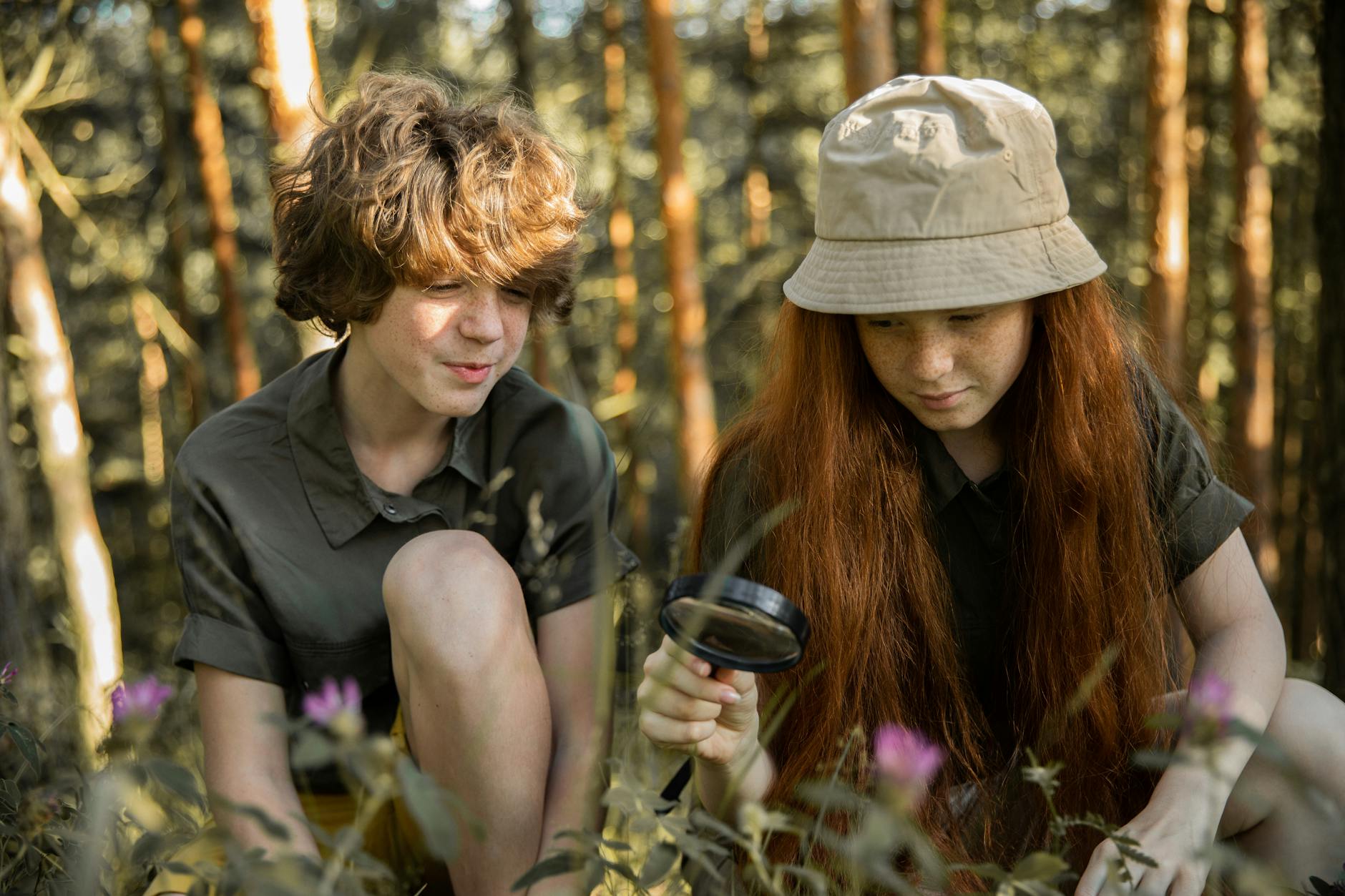
Outdoor Science: The Homeschool Advantage You're Not Using
Most science curricula are indoor, textbook-based affairs. The outdoor world offers something they cannot: real science, happening in real time, available every day.