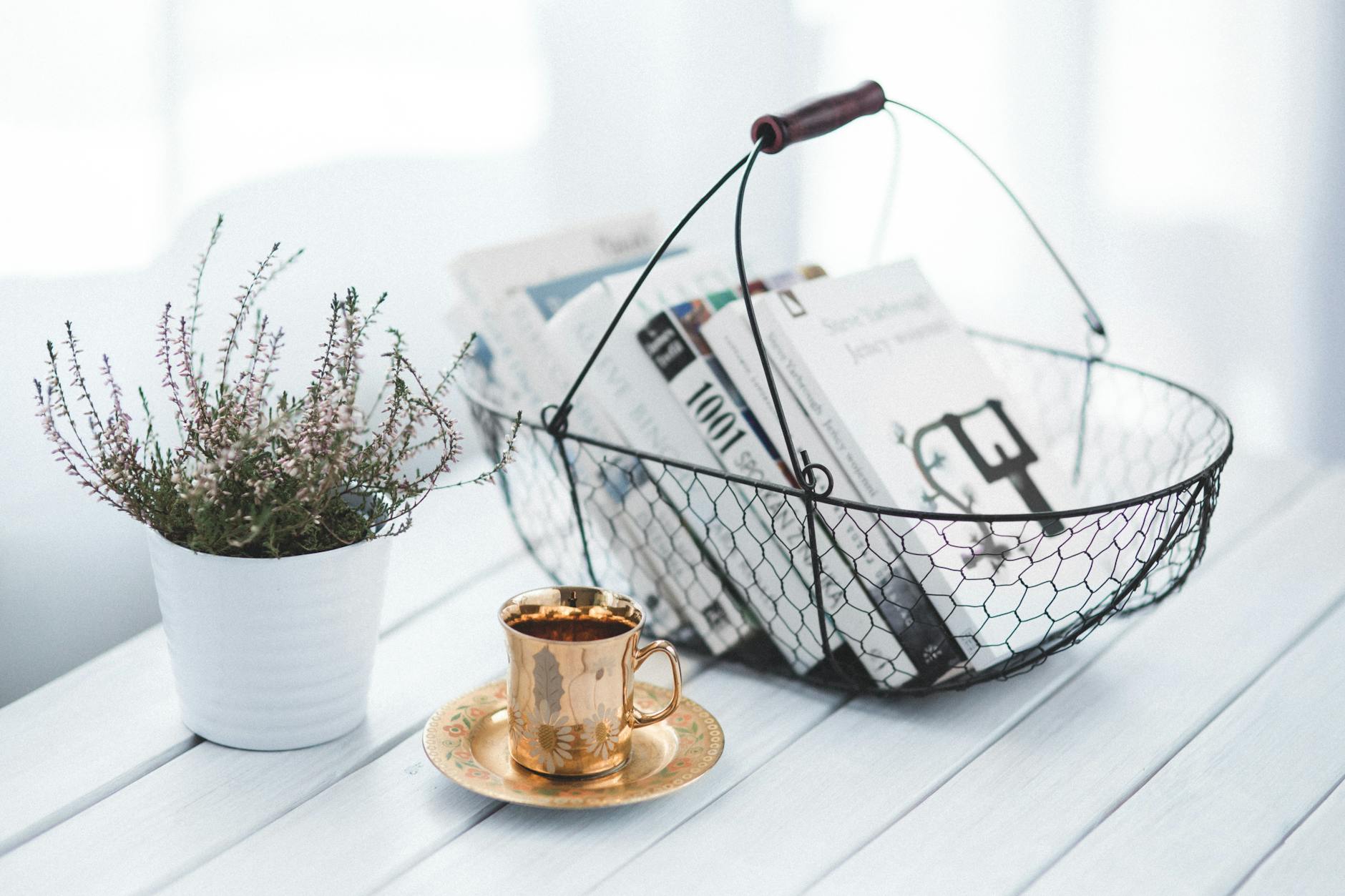
Morning Basket: What It Is and Why It Changed Our Whole Day
A morning basket is the simplest habit in our homeschool and the one that holds everything else together. Here is what goes in ours and exactly how we use it each day.
A little note: Some links in this post are affiliate links. If you click through and buy something, we earn a small commission at no extra cost to you. We only ever link to things we would genuinely recommend to a friend.
The morning basket is a collection of books and materials that the whole family works through together, usually first thing in the day, before individual lesson work begins.
It is not a teaching moment. It is a gathering moment. Everyone comes to the table, you read together, you say a poem, you look at a painting, you talk. It is slow and unhurried and it sets the tone for everything that comes after.
I was skeptical for years. It sounded like something that worked in very organized families or very young children, neither of which described us. Then I tried it for a month. Now I cannot imagine our school day without it.
What Goes in a Morning Basket
There is no single answer. The contents depend on your family, your season of learning, and what you are studying. Here is what has been in ours over different years.
Read-aloud. We always have one book we are reading together as a family. This is the anchor. Right now it is a chapter of a novel every morning. Over the years it has been chapter books, picture books for all ages, narrative history, poetry collections, and nature books.
Poetry. One poem, read aloud, sometimes memorized over weeks. We have used a poem-a-day approach and a single poem for two weeks approach. Both work.
Music. A piece of music to listen to, tied loosely to a composer or period we are studying. Two to five minutes. My kids now recognize Baroque from Classical from Romantic without being explicitly taught those categories.
Artist study. A single painting displayed in some form — printed, on a tablet, in a book — that we look at and talk about for a few minutes. No formal lesson, just looking.
Memory work. This has come and gone. When we use it, we review history timeline cards, math facts, poetry lines, or catechism answers. Brief and consistent is the key.
Seasonal reading. Books that match the season, the upcoming holiday, or what is happening in nature. This changes constantly and costs almost nothing if you use the library.
Why It Works When Nothing Else Does
Here is what I have noticed over time. On days when we start with a morning basket, the children are more cooperative for the individual lesson work that follows. Less resistant. Less argumentative. The hard subjects go more smoothly.
I think this is because the morning basket does something to the relational atmosphere before any demands are placed. We have been together, read something good, said something beautiful, and listened to something. Nobody has been asked to perform yet. Nobody has gotten anything wrong. We just gathered.
By the time we get to math, we are a family that has already been good to each other this morning. That matters more than I would have predicted before I experienced it.
The Physical Basket
It does not have to be a basket. We have used a box, a shelf, a bag, and a basket at different times. The physical container matters less than the habit.
What matters is that everything needed for the morning is gathered in one place the night before. No searching. No "where did we put that book." Everything ready.
We use a large, lidded wicker basket. It lives on the schoolroom floor and gets repacked every Sunday for the week. This Sunday-pack takes about ten minutes. Books for the week, poem on a card, playlist queued on the tablet, any art prints printed or bookmarked.
The ten minutes on Sunday is what makes the thirty minutes each morning possible without friction. If you have to gather materials each morning, you will skip morning basket when you are tired. If it is already assembled, it is as easy as sitting down.
How Long It Takes
Ours runs about twenty to thirty minutes. I have seen families do forty-five and families do fifteen. The length matters less than the consistency.
When we have morning basket, our school day has a foundation. Everyone has already gathered, heard something beautiful, and been together. Individual lessons that follow go more smoothly because the children are already settled and engaged.
When we skip it, our days feel fragmented. Lessons start in scattered directions. Arguments happen earlier.
I cannot explain this causally. I have observed it too many times to doubt it.
What to Do When Kids Resist
This comes up a lot. Children who are used to screens in the morning, or who are naturally resistant to new routines, may not greet morning basket with enthusiasm at first.
A few things that help:
Let them draw or do something with their hands during the reading. My son always has a sketchbook at the table. He draws while he listens. He absorbs more than it looks like he does.
Keep it short at first. Two weeks of fifteen-minute baskets is worth more than one attempted forty-five-minute basket that produced conflict. Start small and build.
Put something in the basket they actually care about. If your child loves animals, the read-aloud is a nature book for a few weeks. If they love adventure stories, start there. The morning basket is not a course syllabus. It can include things that are purely enjoyable.
Let them be grumpy sometimes. Not every morning needs to feel transcendent. Some mornings we read a chapter and say a poem and everyone is half asleep and that is still what we did.
A Morning Basket for One Child
Everything above applies to a single child as much as a family of five. If you are homeschooling one child, the morning basket is simply: sit together, read aloud, look at something beautiful, say something worth memorizing, start.
The ritual matters even when the family is small. Maybe especially then.
A morning basket with one child can also be more conversational. You can pause and discuss the poem, ask what they notice about the painting, let them tell you what they think the chapter was really about. The gathering function is the same; the social texture is different.
What to Put in the Basket for Different Ages
For young children (4-7): focus on picture books, nursery rhymes or short poems, finger plays, and simple songs. Ten minutes is plenty. The ritual of gathering is the point; the content can be light.
For middle ages (8-12): this is the sweet spot. They can engage with real poetry, complex read-alouds, composer study, art prints. This age range is where morning basket tends to do its best work.
For teens: it changes. Some teenagers still love it and participate fully. Others are more reserved. A teenager who reads alongside you silently while you read aloud to a younger sibling is still participating in the gathering. You can include materials that are genuinely interesting to them: more complex poetry, essays, music they are actually studying.
Getting Started Without Overthinking It
Choose three things:
- One book to read aloud together
- One poem to say together
- One piece of music to listen to
Do those three things, five days this week, before any individual lesson work begins.
That is a morning basket. Everything else is optional elaboration.
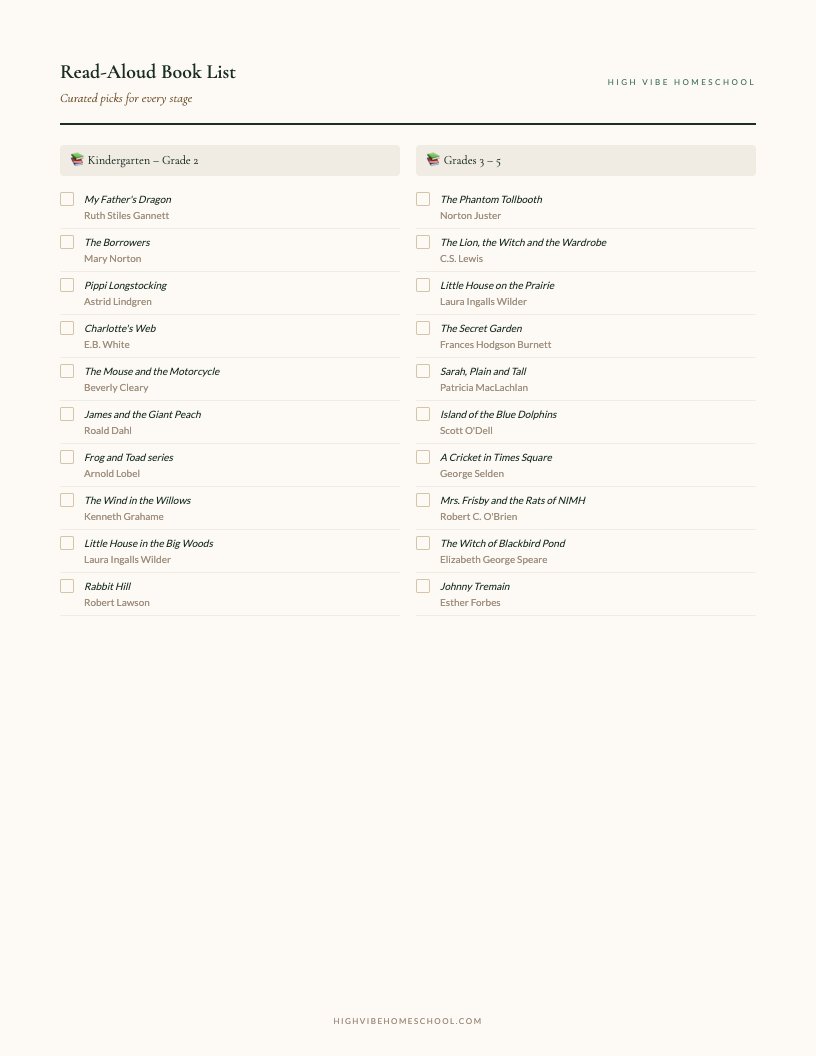
Free Download
Read-Aloud Book List by Age
Curated read-aloud picks for every stage: K-2, 3-5, and 6-8. Print and check them off as you go.
No spam. Unsubscribe anytime.
The morning basket is the foundation — our morning rhythm shows how it fits into the full shape of our day. And strewing is the related practice of leaving interesting things in the child's path for them to find on their own.
Written by
The High Vibe Homeschool Team
We are a homeschool family that has been doing this for seven years across three kids. We write about what we have actually tried, what failed, what surprised us, and what we would do again. No credentials. Just lived experience.
ENJOYED THIS ARTICLE?
Get more like it every week
Real homeschool life, in your inbox.
Keep Reading
More in Daily Life
 Daily Life
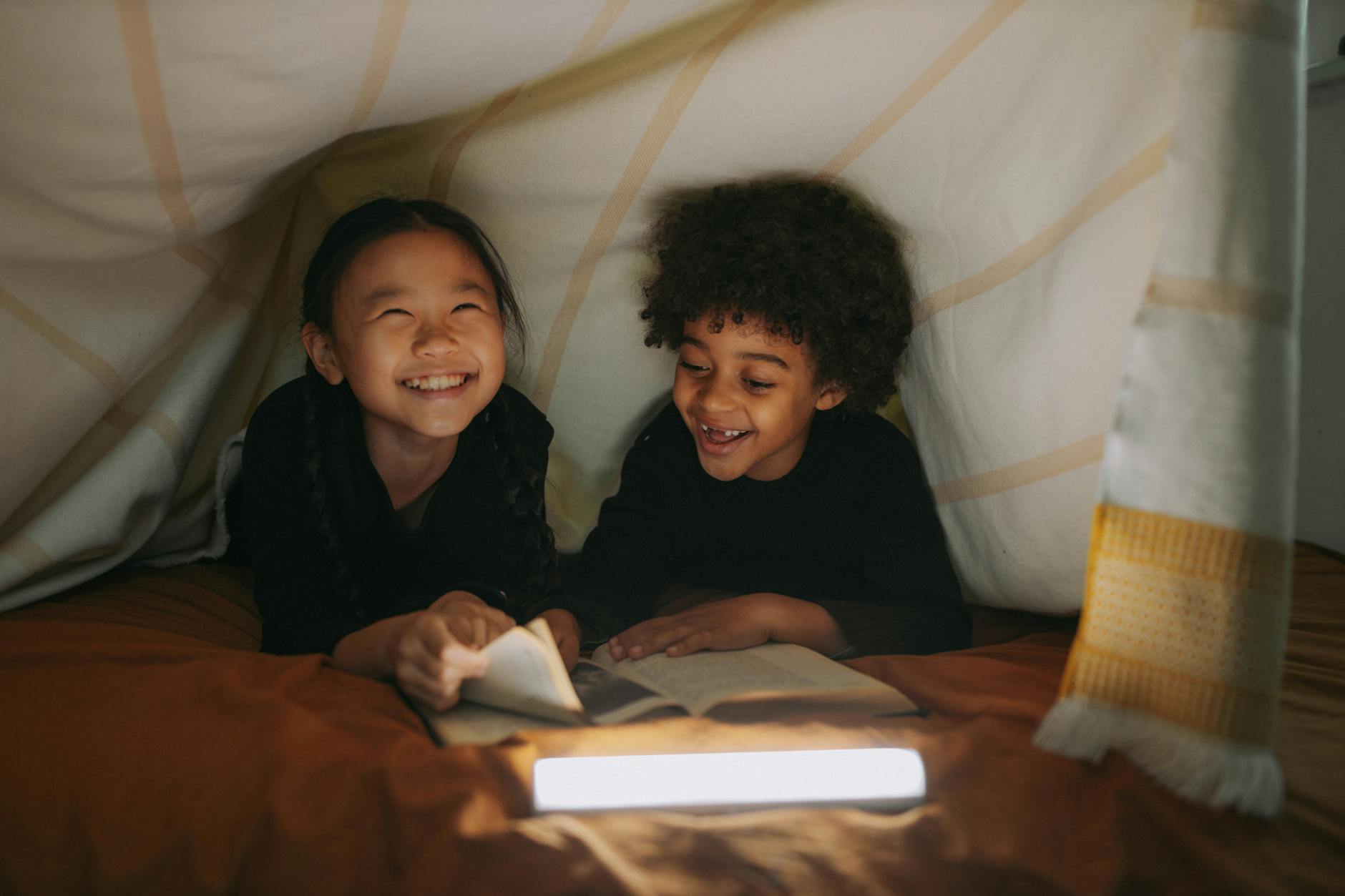
How to End the Homeschool Year Well
The end of the homeschool year deserves more than quietly stopping. Here is how we close out the year intentionally — what we review, what we celebrate, and how we rest well before the next one begins.
 Daily Life
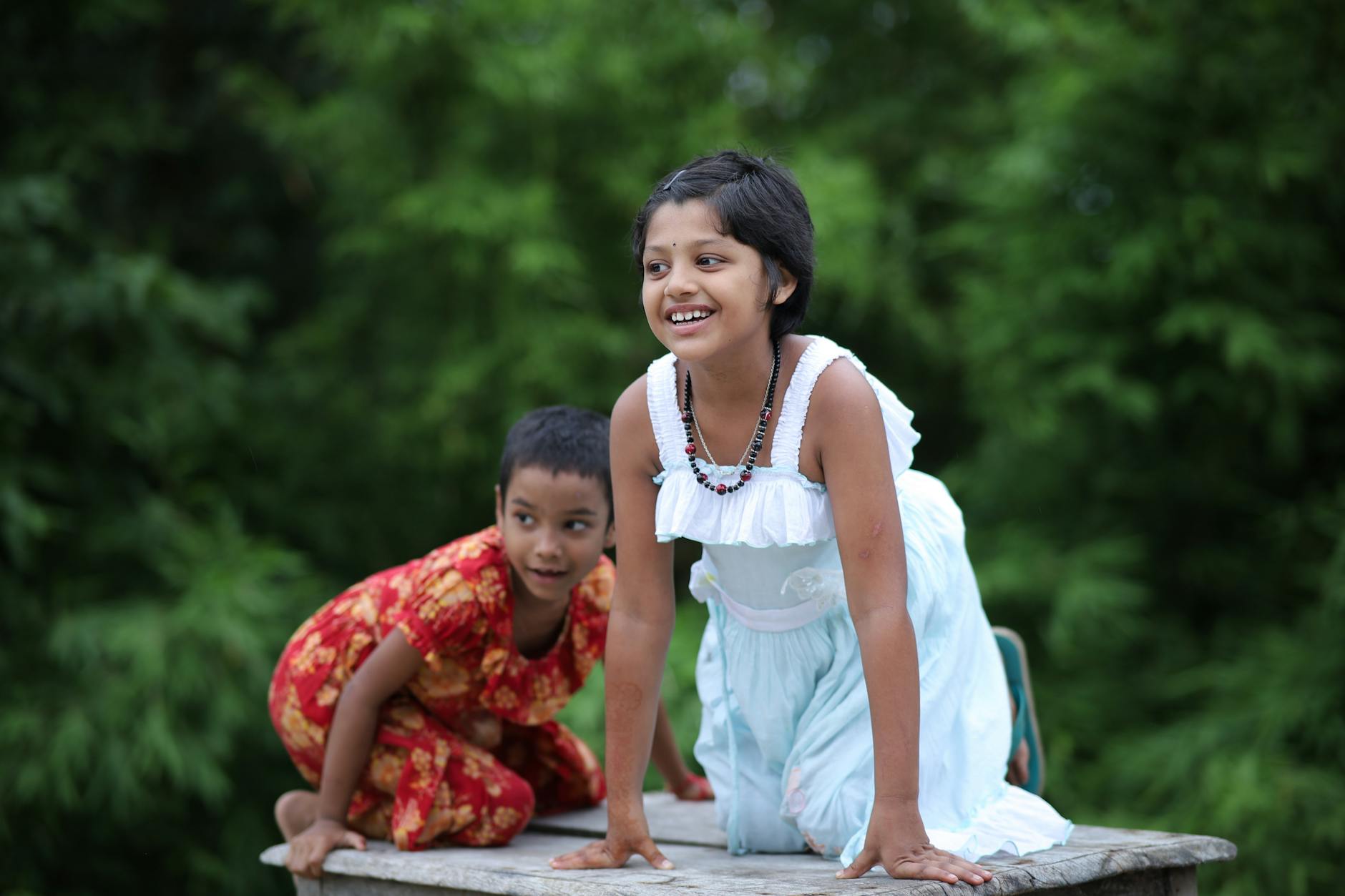
Homeschool Summer: How to Rest Without Losing Everything You Built
Summer in a homeschool is not the same as summer vacation. Here is how we structure ours — enough rest to restore everyone, enough continuity to make September feel like a continuation rather than a restart.
 Daily Life
Outdoor Science: The Homeschool Advantage You're Not Using
Most science curricula are indoor, textbook-based affairs. The outdoor world offers something they cannot: real science, happening in real time, available every day.