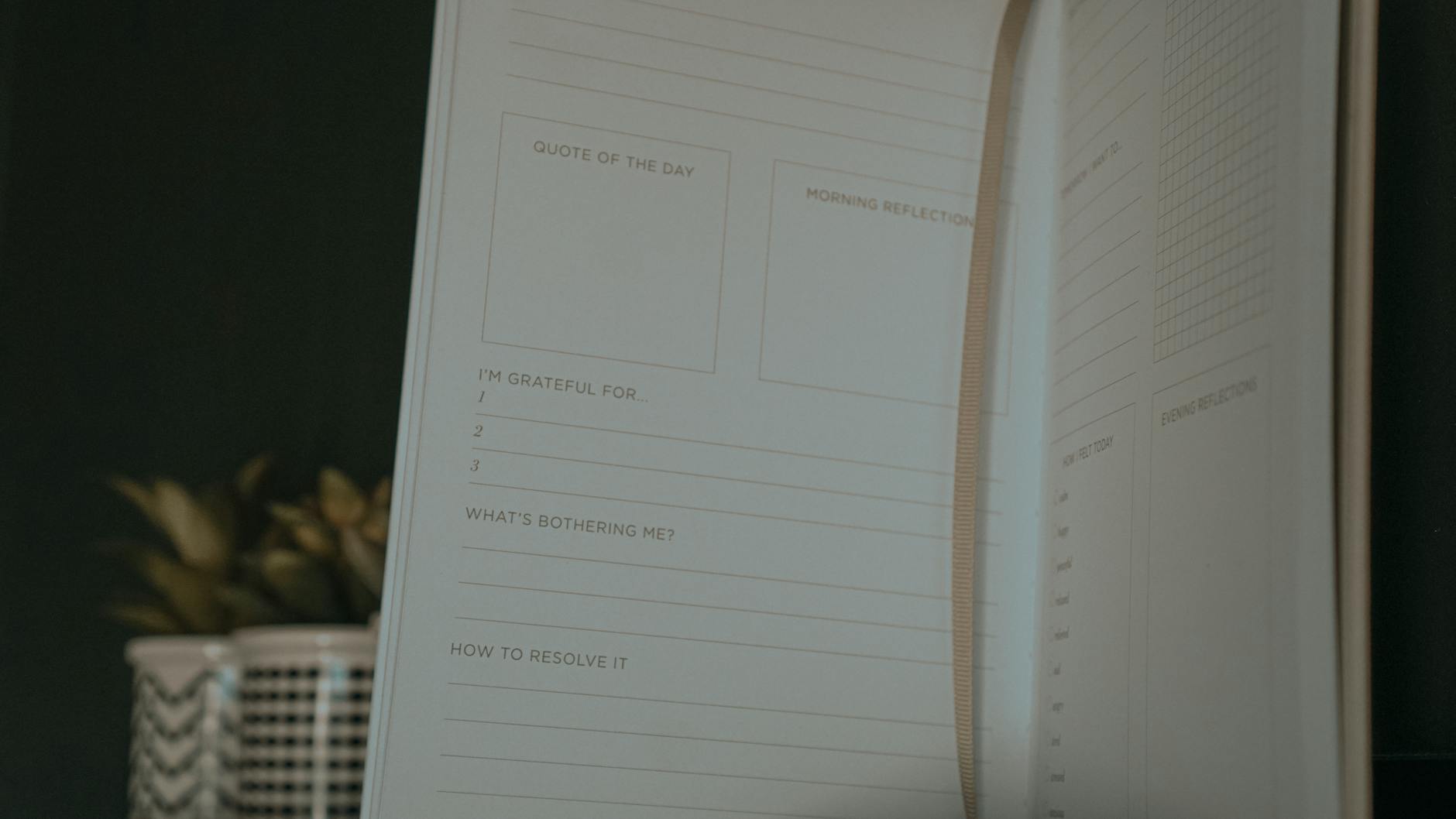
The Thing I Did Not Expect to Feel About Homeschooling
Seven years in, the thing I feel most is gratitude. Not because it has been easy. Because it has been real. Here is what I mean.
My oldest daughter is thirteen.
I have been homeschooling her since she was six. Seven years. In those seven years, I have watched her learn to read, discover a passion for history, figure out that she loves biology and dislikes fractions, develop opinions about art, and become someone I would genuinely choose to spend time with if I were not already required to.
I did not expect to feel grateful. I expected to feel accomplished, or exhausted, or relieved that we had gotten through another year. I did not expect gratitude.
What I Am Grateful For
The time. I was there. Not in the background, not at drop-off and pick-up — actually there, for the learning and the struggle and the moments when things clicked. I watched her understand prime numbers for the first time. I was sitting next to her when she read her first chapter book all the way through. These are not things I would have witnessed if she had been at school.
These are not highlights. They were ordinary Tuesday mornings. The ordinariness is part of what I am grateful for. Nobody scheduled those moments. Nobody assigned them. They happened because we were in the same room, moving through the same material, at the same pace.
The conversations. Homeschool days produce a particular kind of conversation. You are reading the same books, thinking about the same history, walking through the same natural world. The shared material creates shared vocabulary, and the shared vocabulary creates conversations you would not otherwise have with a child. I have had conversations with my daughter about mortality, justice, the nature of beauty, and whether a person can be brave and frightened at the same time. These happened because we read together, not because I engineered them.
The conversation I think about most: we were reading a biography of a woman who had lived through the Holocaust and gone on to teach. My daughter was ten. She said something about whether evil was the same as cruelty, or whether they were different things. I did not have a satisfying answer. We spent an hour talking about it, badly and inconclusively. She still brings it up sometimes. That conversation exists because we read the same book at the same time and she trusted me enough to ask.
The knowledge of who she is. Seven years of paying close attention to how a person learns, what frightens them, what makes them come alive. I know my daughter in a way that is rare between parents and children. I know what she does when she is trying to avoid something she finds hard. I know what she looks like when she has genuinely understood something. I know her better than I would have if her development had happened mostly away from me.
This kind of knowing is not automatically good parenting. You can know your child's patterns and use that knowledge to push them in directions they resist. But knowing accurately is at least the starting point for responding well. Seven years of close attention has made me a more careful parent, not just a more informed one.
The Hard Things Did Not Disappear
I want to be honest. The gratitude does not erase the difficulty.
There were years when I was running on empty. There were curriculum choices that were wrong and took too long to replace. There were days when no one wanted to be in the same room with each other and school was a thin fiction we maintained out of habit.
Year two was particularly hard. My daughter was going through something she could not name and I could not identify. Everything felt like friction. A mentor who had been homeschooling for twenty years told me that year two is often the hardest — year one runs on novelty, and year two is when you find out whether you actually have a sustainable approach. We did not, quite, and we rebuilt.
The gratitude is not for the absence of those things. It is for what was present despite them.
What Accumulates Over Time
There is something that happens around year four or five that no one told me to expect.
You stop evaluating the homeschool one day at a time and start seeing it as a continuous whole. The child who struggled so badly with reading at seven is now eleven and devouring books by choice. The pattern is visible from four years out in a way it was not visible one day at a time.
This perspective shift changes how you experience the hard days. A hard day in year two felt like evidence. A hard day in year six feels like a hard day.
The accumulation is also visible in the child. My daughter does not remember the math lesson she struggled through at nine. She does not remember the morning we both cried. What has accumulated in her is something different: curiosity that has been allowed to direct itself. Reading habits that are hers. An ability to sit with a problem and work it from different angles. These developed over time, not in any single lesson.
What I Would Tell Someone Starting Out
You will not know, for years, whether this was the right choice. The evidence accumulates slowly. The child you are educating is becoming a person in real time, and you cannot step back far enough to evaluate it while it is happening.
What you can do is pay attention. Notice what they reach for when nothing is required of them. Notice where they surprise you. Notice when they are genuinely absorbed and when they are merely compliant.
The data is being collected, even when you cannot see it. And years from now, when you have enough of it, you will look back at what happened in these ordinary days and feel something you did not expect.
It is worth starting.
A Note About Comparison
One thing that made gratitude harder to feel in the early years: comparison.
Looking at other homeschool families and measuring against them. The children who seemed to be doing more, learning more, thriving more visibly. The families with better organization, more beautiful nature journals, more impressive co-op participation.
Comparison is a factory for resentment and it produces nothing useful. Every family's homeschool is built around a particular child in a particular family with particular resources. None of those variables are transferable.
The gratitude I feel is specific to my family. My daughter's history passion is hers. The conversations we have happened because of who she is, not because I built the optimal environment for profound conversations. I showed up. She arrived. The rest was particular.
Gratitude for what is actually present, in your actual household, is the only kind that has any traction. The rest is just comparing notes.
If you are still in the early years and cannot yet see how they will turn out, the homeschool parent mindset is for the moments when you are measuring against the wrong standard. And is homeschooling worth it is the seven-year answer to the question most of us ask in year one.
Written by
The High Vibe Homeschool Team
We are a homeschool family that has been doing this for seven years across three kids. We write about what we have actually tried, what failed, what surprised us, and what we would do again. No credentials. Just lived experience.
ENJOYED THIS ARTICLE?
Get more like it every week
Real homeschool life, in your inbox.
Keep Reading
More in Encouragement
 Encouragement
Is Homeschooling Worth It? The Honest Answer After Seven Years
We are seven years in. Here is the honest accounting — what we gained, what we lost, what surprised us, and whether, given everything, we would do it again.
 Encouragement
Slow Homeschooling: The Case for Doing Less, Better
Slow homeschooling is not for families who are not trying hard enough. It is for families who have tried hard enough and are ready to try less. Here is what it means and why it works.
 Encouragement
When Homeschooling Is Not Working: An Honest Diagnostic
Not every homeschool year works. Here is how to tell whether you are in a rough patch that will pass or a genuine structural problem that needs to change — and what to do with either.