Homeschooling Preschool: What It Looks Like (And What to Skip)
Homeschooling preschool does not look like school. It looks like a childhood. Here is what we actually did in the early years and what I wish I had known before I bought the preschool curriculum box.
My youngest was three when we started thinking about her preschool years.
I bought a preschool curriculum box. It had letter activities, number activities, shape cards, and a schedule. I set it up on the shelf. I felt prepared.
She was not interested. She wanted to help me cook, dig in the garden, listen to stories, and sort the buttons in a jar her grandmother had given her.
The buttons, it turned out, were a better early childhood education than the curriculum box.
What Preschool-Age Children Actually Need
The research on early childhood education is clearer than research on almost any other educational topic: what produces capable, curious, well-adjusted older children is not early academics.
It is:
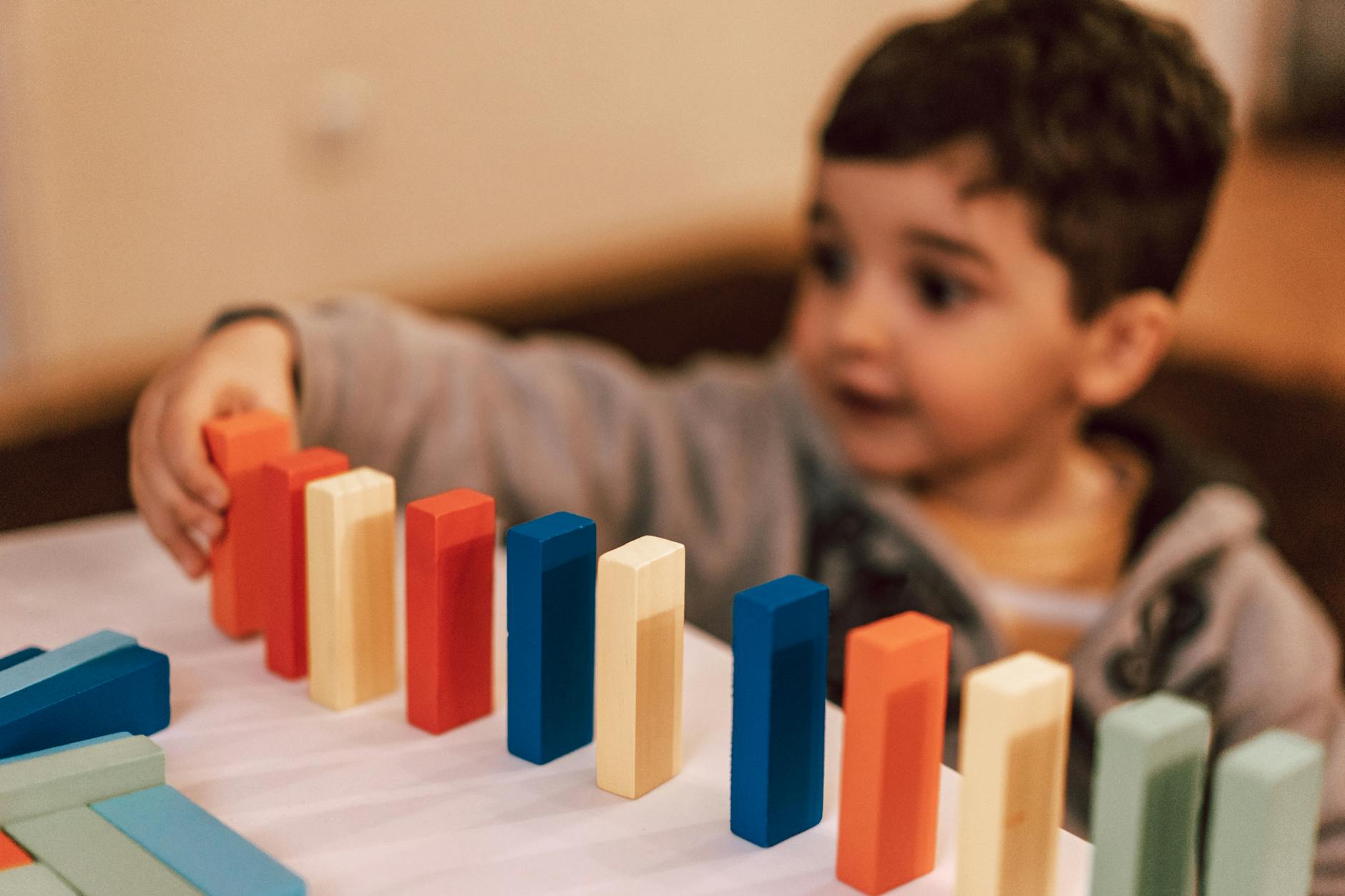
Rich play. Unstructured, imaginative, physical play. Building, pretending, running, digging, creating with loose materials. Play is not a break from learning in early childhood. It is how the brain builds the foundational architecture that all later learning depends on.
Language immersion. Being talked to, read to, sung to, and taken places where interesting things happen and adults describe them. Vocabulary at age five predicts reading comprehension at ten more reliably than almost any other variable.
Stable, responsive relationships. Attachment security and emotional regulation — which develop in the context of consistent, attuned relationships — are prerequisites for all other learning. A three-year-old who feels safe, seen, and loved is in the optimal learning state.
Practical life. Doing real things alongside adults. Cooking, cleaning, gardening, building, shopping. The fine motor skills, sequencing, and competence built through real work are not separable from the emotional satisfaction of being genuinely useful.
What We Did That Worked
Read aloud every day. Long books, short books, poetry, repetitive picture books that a three-year-old wants to hear forty times in a row. Never skip the books.
Followed her around. What was she interested in? She was interested in birds for six months. We got a feeder and a field guide. We pointed at birds. We read picture books about birds. We drew birds. She could identify a dozen species at four.
Cooked together. Real cooking, with real ingredients, requiring real judgment. Measuring, estimating, problem-solving, patience. Vastly more useful than any worksheet.
Went outside. Every day if possible. With the understanding that outside does not need a plan. It needs time.
Did not do worksheets. The research on academic worksheet instruction in preschool is consistently negative for long-term outcomes. Children who are formally drilled on letter sounds at three are not ahead of children who were not at age seven. They are often behind, because the early instruction replaced play and produced math and reading anxiety instead of competence.
A Day in Our Actual Preschool Life
People often ask what a homeschool preschool day looks like. Ours looked something like this:
Morning: slow start, books in bed, then breakfast together. She helped me make oatmeal. She poured, measured, stirred. We talked about what was happening. No formal lesson. Real work.
Midmorning: outside time, whatever that meant that day. Sometimes the garden. Sometimes the park. Sometimes just the backyard with water containers and a pile of dirt. I was present but not directing.
Late morning: she played. I did things nearby. Building with blocks, dollhouse scenarios that went on for an hour, finger painting that spread across the dining table.
Afternoon: nap or quiet time, then a long read-aloud. Sometimes two or three picture books. Sometimes a chapter from a longer story that she was too young to fully follow but loved anyway.
That was it. No lesson plans. No tracking. No assessments.
She is now eight, reads voraciously, is curious about everything, and has a longer attention span than most adults I know. I cannot prove the causation. But I do not regret the slow years.
What to Buy (Very Little)
Good picture books. Many of them. Library trips are your preschool curriculum.
Open-ended materials. Blocks, playdough, blank paper, crayons, a sandbox or dirt, water containers. Things with no right answer. The more open-ended the material, the more the child develops.
One beautiful field guide. Whatever the child currently loves. Birds, bugs, flowers, rocks. The habit of identifying and naming the natural world starts here.
Nothing else you do not already have. The preschool curriculum aisle is designed to make you feel like your child will fall behind without it. Your child will not fall behind. Your child needs you, your attention, and time.
A note on letter puzzles, foam bath letters, and alphabet books: these are fine. Not because they teach reading, but because a child who plays with letters eventually develops print awareness without any formal instruction. Just do not mistake the play for instruction.
Common Questions About Homeschool Preschool
Do I need to register or notify anyone?
In most states, no. Compulsory education laws typically start at age five, six, or seven depending on the state. A four-year-old at home with you is not subject to any legal requirement in most places. Check HSLDA.org for your specific state if you are uncertain.
What about socialization at this age?
Preschool-age children develop social skills most effectively through relationships with consistent adults and a small number of familiar peers, not through large group settings. Regular time with cousins, neighbors, kids at the park, and community activities is plenty. You do not need a formal preschool program for social development.
Should I follow a schedule?
A loose rhythm helps, especially for naps and meals. A formal schedule with lesson blocks at this age is not necessary and often counterproductive. The rhythm says: we always read before bed, we always go outside in the morning, we always cook dinner together. It does not say: phonics from 9:00 to 9:20.
What if my child wants to learn letters?
Let them. A child who asks to learn letters is ready to learn letters. Read alphabet books, do alphabet puzzles, point out letters on signs and food packages. Follow their interest. The distinction is between following genuine curiosity and imposing early academics because we are anxious.
When to Start "Real School"
There is no universal answer. There is a child in front of you with specific interests, readiness signals, and temperament.
Most educational researchers and many Charlotte Mason advocates suggest waiting until seven for formal literacy instruction. Most American parents start earlier. The research does not support earlier being better; in many cases it suggests the opposite.
In Finland, formal schooling begins at seven. Finnish students consistently rank at the top of international educational assessments. This is not a coincidence.
The question I ask: is this child asking to learn to read? Are they curious about letters and wanting to decode? Or am I asking them because I am ready for them to be ready?
The second is almost never the right reason to start.
Follow the child. Trust the development. Keep reading aloud.
What to Do With the Curriculum Box You Already Bought
If you are reading this after already purchasing a preschool curriculum, do not feel bad. Almost all of us have done it.
Go through it and pull out anything that feels like genuine play. Puzzles, manipulatives, good books. Use those. Set aside anything with worksheets or formal lesson plans until your child shows interest. If they never show interest, that is fine too.
The curriculum is a tool, not a mandate. Use the parts that work for your child and leave the rest on the shelf.
Homeschool kindergarten is the natural next step. And deschooling applies here too — families who come to homeschooling from school often need time to release the academic anxiety before the preschool years can be what they should be.
Written by
The High Vibe Homeschool Team
We are a homeschool family that has been doing this for seven years across three kids. We write about what we have actually tried, what failed, what surprised us, and what we would do again. No credentials. Just lived experience.
ENJOYED THIS ARTICLE?
Get more like it every week
Real homeschool life, in your inbox.
Keep Reading
More in Getting Started
 Getting Started
Homeschool Portfolios: What They Are and How to Build One That Works
A portfolio is more than a legal requirement. When done right, it becomes the most useful thing in your homeschool — a record of real growth that no standardized test can capture.
 Getting Started
What Grade Is My Homeschooled Child In?
When people ask what grade your homeschooled child is in, the honest answer is often complicated. Here is how to think about grades, what they actually matter for, and what you can say.
 Getting Started
Deschooling: What It Is and Why You Should Not Skip It
Every family that pulls their child out of school needs a period of deschooling first. Most skip it. Here's why that's a mistake and what it actually looks like.