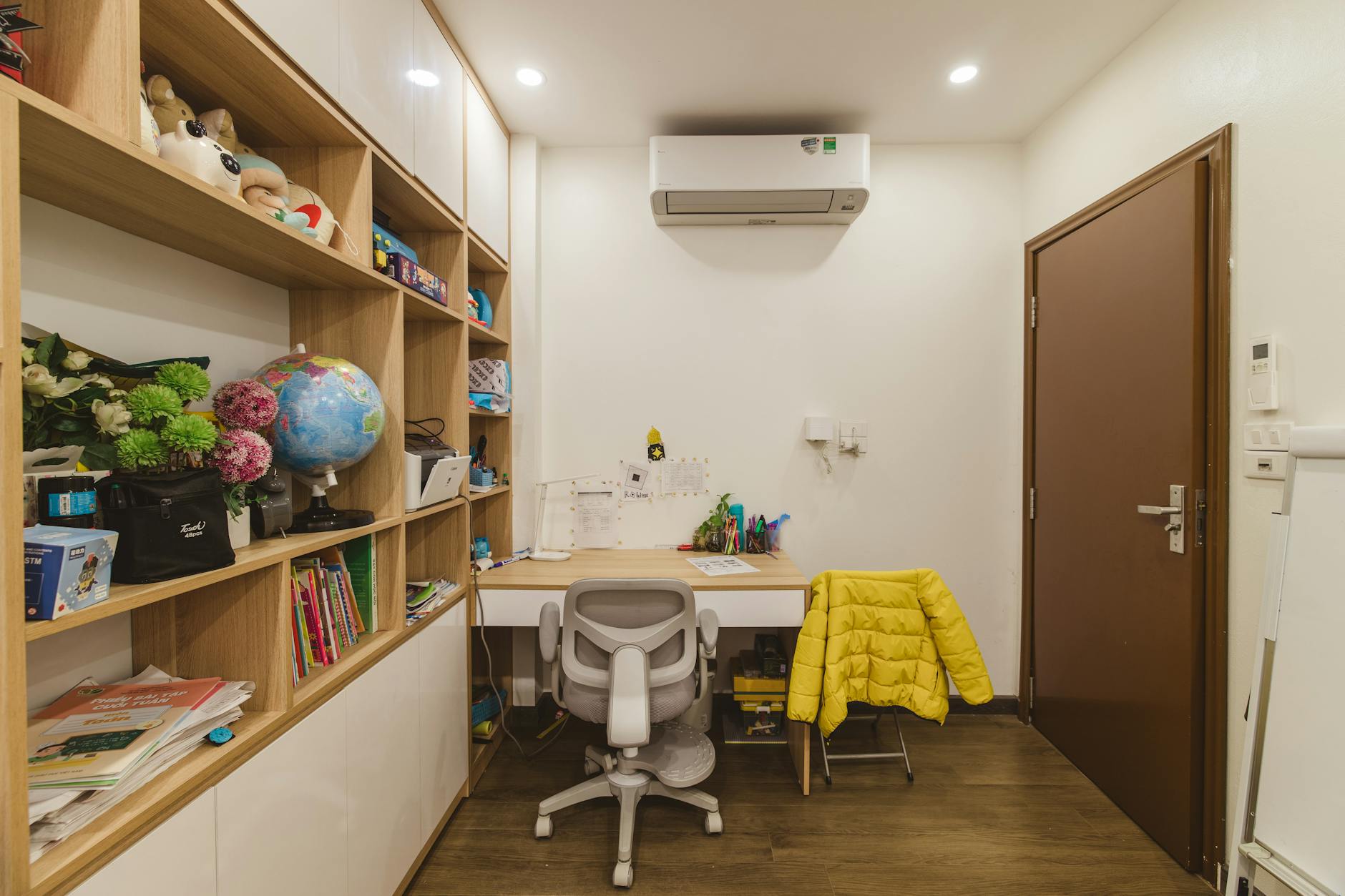
Organizing Your Homeschool Space (Without a Dedicated Room)
Most of us do not have a dedicated schoolroom. Here is how we have organized homeschool materials, books, and daily supplies across three different homes — including one tiny apartment.
A little note: Some links in this post are affiliate links. If you click through and buy something, we earn a small commission at no extra cost to you. We only ever link to things we would genuinely recommend to a friend.
We homeschooled in a two-bedroom apartment for two years.
No dedicated schoolroom. One small kitchen table where we also ate meals, paid bills, and where my husband worked his late shifts. Two bookshelves we could not add to because there was nowhere to put them. A closet that became the art supply closet after I ran out of other options.
I am sharing this because the beautiful farmhouse schoolrooms on Instagram are not the real conditions under which most homeschooling happens. Most of us are working with what we have.
Here is what we learned.
The Core Principle: Clear It Daily
Whatever your space is, it should be fully usable as a home space by the end of each school day. This serves two purposes.
First, it makes your home feel like a home rather than a permanent construction zone. When family members come home, when guests visit, when you want to use the kitchen table for dinner without moving a three-day stack of nature journals — you can.
Second, the act of clearing forces you to put things away deliberately, which means you know where they are the next morning. The amount of time homeschool families lose looking for materials is significant. Putting things away every day eliminates most of it.
Subject Bins
Each subject or type of material gets its own bin, box, or shelf. When we use it, it comes out. When we are done, it goes back.
Our current bins:
- Math: all manipulatives, the current workbook, and graph paper
- Art: pencils, watercolors, sketchbooks, and scissors
- Read-aloud stack: current chapter book plus what is coming next
- Nature study: magnifying glass, field guides, and the nature journals
- Morning basket: the current basket contents repacked weekly
The bins live in a closet when not in use. School materials do not sit out overnight.
The Traveling School Bag
For families who homeschool in multiple locations, or who just want portability, a bag that holds the day's materials is more useful than a fixed setup.
One large canvas tote per child, packed the night before. Books, workbooks, pencils, whatever is needed for the next day. When we go to the library, a co-op, a grandparent's house, or just want to do school outside, the bag comes.
This also solves the "I can't find anything" problem. The bag either has the thing or it does not. There is only one place to look.
Books: The Real Challenge
Books are the largest organizational challenge in any homeschool. They accumulate. They breed when you are not looking.
The framework that works for us:
Current-use shelf. Books we are actively using or plan to use in the next month live on an accessible, eye-level shelf. This shelf is small and stays small. If we add something, something else comes off.
Reference shelf. Dictionaries, atlases, encyclopedias, nature guides. Consulted often but not carried around.
Archive box. Books we have finished and might use again. Labeled by category. In a closet or under a bed.
Out the door. Books we will not use again go to the library sale, a friend, or a used bookstore. Sentimentality about books you will not use again is a leading cause of organizational problems.
The Library as Part of the System
One practical thing that took me years to internalize: the library is part of your homeschool organization system.
You do not need to own every book you use. For unit studies especially, borrowing is better than buying. We put thirty library books on hold when we start a new unit, return them when the unit ends, and our shelves do not expand.
The library card is a curriculum tool. Treat it that way. Put holds on books two to three weeks before you need them. Most library systems let you renew multiple times if you are still using something. This has saved us hundreds of dollars and a significant amount of shelf space.
For books you will use repeatedly — your spine curriculum, reference books, beloved read-alouds — buying makes sense. For everything else, borrow first.
What We Have Found Worth Buying
After years of accumulating and then purging, the supply categories that have consistently earned their space:
Good pencils. Cheap pencils break constantly. Three quality pencils per child last longer and write better than a bag of twenty cheap ones.
One good set of watercolors. Not a tray of paints for every project. One good set that stays on the art shelf.
A whiteboard. Magnetic if possible. For working out math problems, writing spelling words, drawing diagrams, playing games. We have used a single whiteboard almost every day for six years.
A timer. Any timer. The Pomodoro technique, where children work in focused twenty-five-minute blocks, is remarkably effective at making school time feel manageable rather than endless.
Index cards. For flashcards, vocabulary, timeline cards, narration prompts. One of the most consistently used supplies in our house and costs almost nothing.
Organizing Paperwork and Records
If you live in a state that requires portfolio documentation, records management becomes its own organizational challenge.
A simple system that works: one manila folder per subject per child per year. As the year progresses, anything worth keeping goes in the folder. At the end of the year, the folders go into a labeled box.
You do not need to keep everything. A few sample pieces from different points in the year, photos of projects, and a simple log of books read and topics covered is enough for most documentation requirements.
For states with minimal requirements, even less than that. One photo of a typical school day per month in a Google Photos album is both a record and a memory.
Do not let record-keeping become another source of guilt. Simple and consistent beats thorough and sporadic.
Permission to Have Less
The instinct when starting homeschooling is to buy everything. Curriculum, manipulatives, art supplies, educational games, specialized organizers.
The families I know with the most cluttered, disorganized homeschool spaces are often the ones who bought the most in years one and two.
The families with the most functional spaces have usually gone through a ruthless purge and emerged with: one good curriculum per subject, a well-stocked art area, a full bookshelf, and clear bins. That is enough. More than that creates noise.
The best homeschool space is one you can clear, find things in, and use without frustration. The Instagram schoolrooms are beautiful. Your functional, clear, consistent setup will do more for your children's education.
Organization is downstream of rhythm — creating a homeschool rhythm covers the structural decisions that make a space functional. And if you have a dedicated room, homeschool room ideas shows what different families have set up.
Written by
The High Vibe Homeschool Team
We are a homeschool family that has been doing this for seven years across three kids. We write about what we have actually tried, what failed, what surprised us, and what we would do again. No credentials. Just lived experience.
ENJOYED THIS ARTICLE?
Get more like it every week
Real homeschool life, in your inbox.
Keep Reading
More in Daily Life
 Daily Life
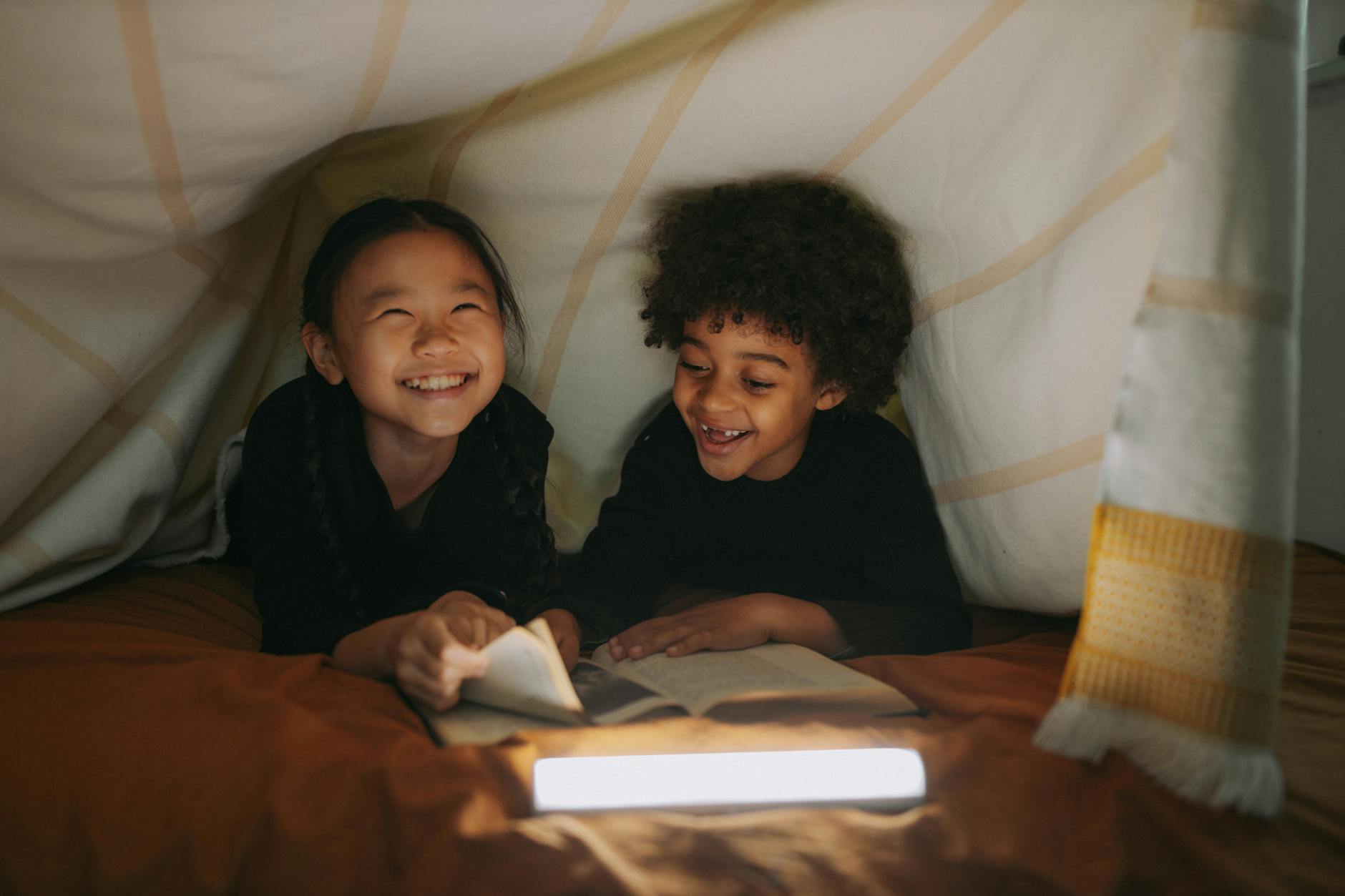
How to End the Homeschool Year Well
The end of the homeschool year deserves more than quietly stopping. Here is how we close out the year intentionally — what we review, what we celebrate, and how we rest well before the next one begins.
 Daily Life
Homeschool Summer: How to Rest Without Losing Everything You Built
Summer in a homeschool is not the same as summer vacation. Here is how we structure ours — enough rest to restore everyone, enough continuity to make September feel like a continuation rather than a restart.
 Daily Life
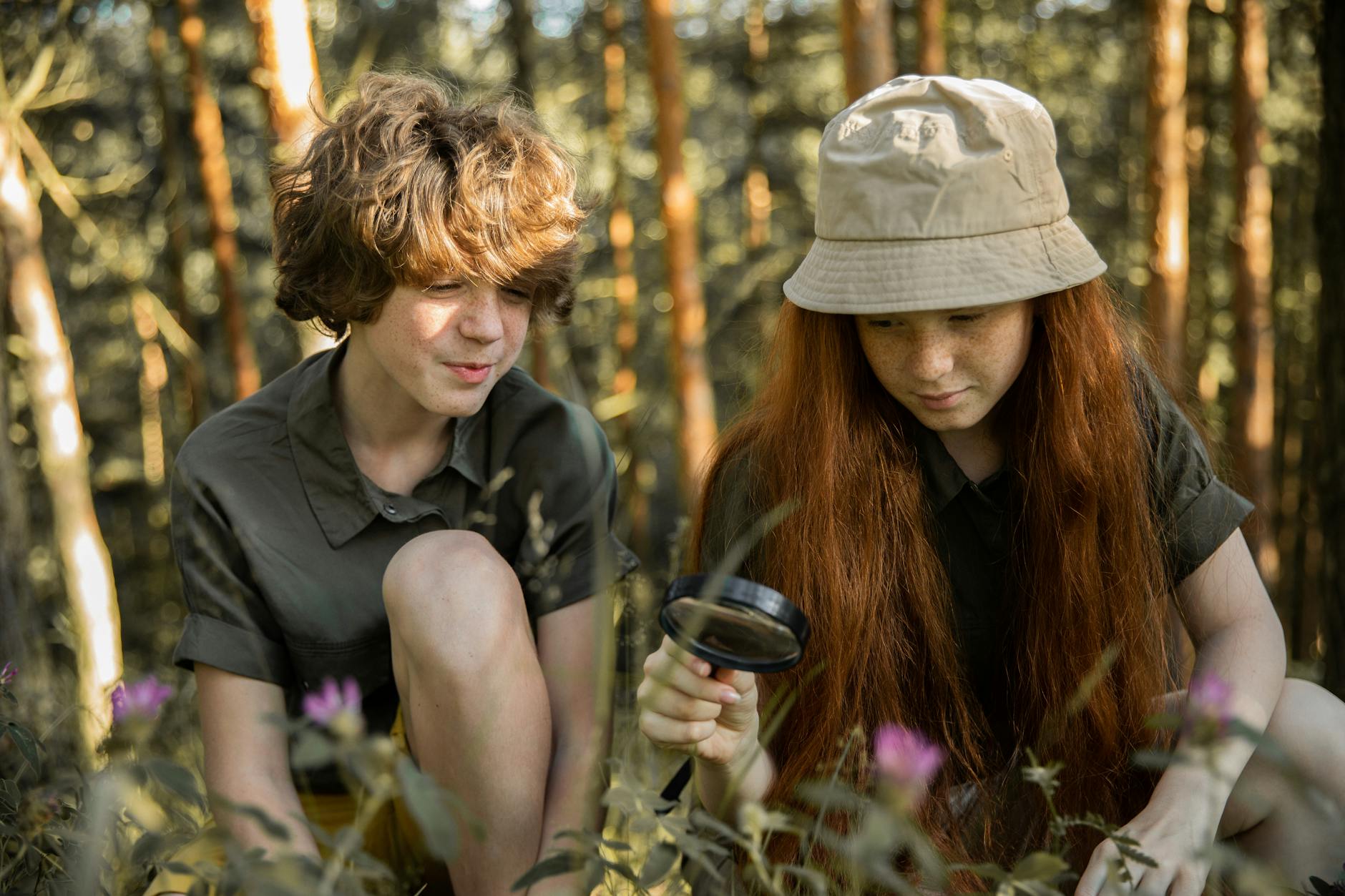
Outdoor Science: The Homeschool Advantage You're Not Using
Most science curricula are indoor, textbook-based affairs. The outdoor world offers something they cannot: real science, happening in real time, available every day.