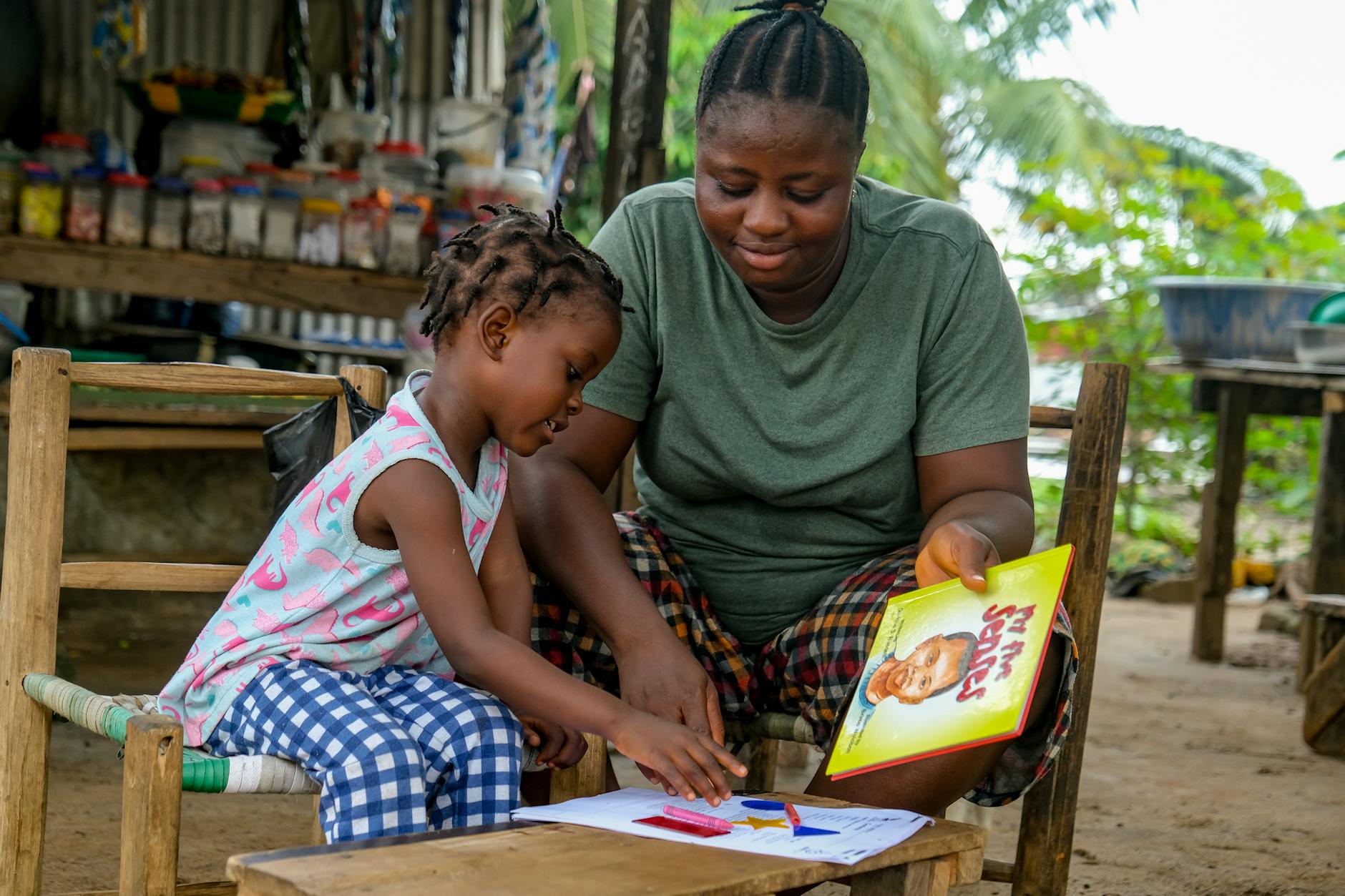
When Your Child Hates Reading: What Actually Helps
A child who hates reading is telling you something. Here is the checklist we work through when reading becomes a battle — and why the answer almost never involves more reading instruction.
A little note: Some links in this post are affiliate links. If you click through and buy something, we earn a small commission at no extra cost to you. We only ever link to things we would genuinely recommend to a friend.
My son hated reading until he was ten.
He could read. He was a competent decoder with age-appropriate comprehension. He simply did not want to. The sight of a book on the school table produced visible deflation. "Reading time" was the most reliably miserable part of our school day for three years.
Then at ten, unprompted, he picked up a book about ancient Rome and did not put it down for a week.
I did not change anything about how we taught reading. What changed was the subject matter. He found what he cared about, and reading became a tool rather than an exercise.
This is not a universal solution. But it is where I always start now.
The Diagnostic First
Before addressing the behavior, identify the cause. "My child hates reading" describes a symptom. The cause is one of a short list.
Decoding is hard. A child who is still working hard to decode text has no cognitive energy left for meaning. Reading is laborious and unrewarding. This child often shows physical signs of effort while reading — lip movement, finger-tracking, slow pace, reluctance to try new words.
If decoding is the issue, the answer is more phonics instruction using an explicit, systematic program. Not more independent reading practice.
The material is wrong. Books at the wrong level (too hard or too easy), in genres or on subjects that hold no interest, or written in a style that does not match the child's sensibility. A child who "hates reading" sometimes just hates the books they have been given.
Reading has become associated with conflict. Every time a book appears, the child anticipates struggle, criticism, comparison, or pressure. The aversion is not to reading itself but to the emotional experience that has been attached to it. This is the most common cause in homeschool families and the hardest to address, because the fix requires repairing the relationship before doing anything else with reading instruction.
Genuine processing difference. Dyslexia, auditory processing issues, or visual processing difficulties make reading harder than it should be. These require specific identification and targeted intervention.
What Actually Helps (by Cause)
If decoding is hard: stop independent reading entirely for now and return to explicit phonics instruction. All About Reading is the most widely recommended Orton-Gillingham-based program for homeschoolers.
If the material is wrong: let them choose. Every book. All of them. Accept comic books, graphic novels, books about topics that bore you, books below their reading level, series books with thin plots. The goal right now is to rebuild the positive association between reading and enjoyment. Curriculum-appropriate literature can come later.
If reading has become conflict: stop all required reading for 30 days. Zero. Read aloud to them every day — good books, books they might love. Do not ask comprehension questions. Do not narrate afterward. Just read, together, for pleasure. Then slowly reintroduce optional independent reading as something they can choose.
The Read-Aloud Solution
The intervention that works for almost every category is more and better read-alouds.
A child who is exposed to rich language, compelling stories, and books that genuinely interest them builds the vocabulary, background knowledge, and love of narrative that makes independent reading feel worthwhile.
The child who hates reading most often hates the reading they have been asked to do. A steady diet of books they would choose themselves, delivered through your voice with no pressure attached, tends to produce a different relationship with books over time.
I do not know a single family with regular, joyful read-aloud habits whose children do not eventually become readers. The timeline varies. The trajectory does not.
What Not to Do
Do not make reading punitive. Removing screen time until a child reads a certain number of pages, or requiring reading before any preferred activities, reliably produces children who learn to endure reading rather than enjoy it.
Do not compare. "Your sister loved to read at this age" does not motivate. It injures.
Do not panic. A child who does not enjoy reading at nine or ten may love it at twelve. The brain that is not ready for sustained print reading often becomes a voracious reader once the neural pathways are in place. The homeschool advantage is that you can wait rather than force.
Do not confuse the symptom with the problem. "Reading more" is almost never the solution to "hates reading." Finding the actual cause and addressing it is.
What About Graphic Novels and Comic Books?
There is a version of this conversation that gets stuck on whether graphic novels "count." I want to address it directly.
They count.
A child who will not touch a prose novel but devours graphic novels is reading. They are tracking narrative, interpreting images in relation to text, building vocabulary, following complex storylines, and developing preferences and taste. That is reading.
My son read every Asterix book in our library system. Then every Tintin. Then he moved to prose books about ancient history because Asterix had made him care about the Romans. The graphic novels were not a stepping stone I had planned. They were a bridge he found himself.
Let them find their bridge. The Diary of a Wimpy Kid is fine. Dog Man is fine. The Big Nate series is fine. The goal is a child who discovers that reading can be pleasurable, and the path to that discovery looks different for every child.
What About Audiobooks?
Audiobooks are not cheating. They are reading with your ears.
A child who listens to a well-performed audiobook is building vocabulary, comprehension, and narrative understanding. They are absorbing the rhythm of written language in a way that transfers to reading. They are discovering books they might never have picked up in print.
For a child who hates the mechanics of reading but loves stories, audiobooks can be what keeps their relationship with books alive while the decoding work catches up. This matters enormously. A child who hates books at nine because reading is hard and stops engaging with stories entirely is in a much harder position than a child who hates reading but loves audiobooks and builds a rich internal library through listening.
We have used audiobooks deliberately and without apology, especially for complex chapter books that would be inaccessible in print at the child's current decoding level. Listening to Narnia at seven and reading the actual text at eleven are both valid. The story is the thing. The format is secondary.
The Gender Thing Worth Mentioning
Boys and girls often have different reading trajectories, and the shape of that difference is worth knowing about.
Many boys are significantly later to independent reading than girls, not because of disability but because of developmental timing. Many boys also prefer different content: nonfiction, action-heavy adventure, humor. The literary fiction and realistic-fiction picture books that dominate early childhood reading instruction are often genuinely not interesting to a lot of boys.
If your son hates reading, look at what he is being asked to read before assuming there is a problem with the reading. A nine-year-old boy who has no interest in a chapter book about feelings may have intense interest in a book about how airplanes work, or a graphic novel about a kid who becomes a ninja, or a nonfiction book with photographs about extreme weather.
Give him that book. All the other kinds of reading can come later, when reading itself is not a battle.
When to Get an Evaluation
If a child is still struggling significantly with decoding at age eight or nine, despite consistent phonics instruction and reasonable effort, it is worth looking into a reading evaluation.
Dyslexia affects roughly 15 to 20 percent of the population. It is not a sign of low intelligence. It is a neurological difference in how the brain processes printed language. Identified early and addressed with the right intervention, most children with dyslexia learn to read. Left unidentified and unsupported, reading can remain a struggle that affects everything.
Signs that warrant professional evaluation: consistent reversal of letters and numbers after age seven, difficulty sounding out simple words despite repeated instruction, a significant gap between what a child can understand when read to versus what they can read themselves, family history of reading difficulties.
A formal evaluation does not lock your child into a label. It gives you information. Information is useful.
If the issue is phonics rather than motivation, how to teach phonics at home covers the structured approach. And audiobooks in our homeschool is for families where listening can bridge the gap until independent reading becomes joyful.
Written by
The High Vibe Homeschool Team
We are a homeschool family that has been doing this for seven years across three kids. We write about what we have actually tried, what failed, what surprised us, and what we would do again. No credentials. Just lived experience.
ENJOYED THIS ARTICLE?
Get more like it every week
Real homeschool life, in your inbox.
Keep Reading
More in Curriculum
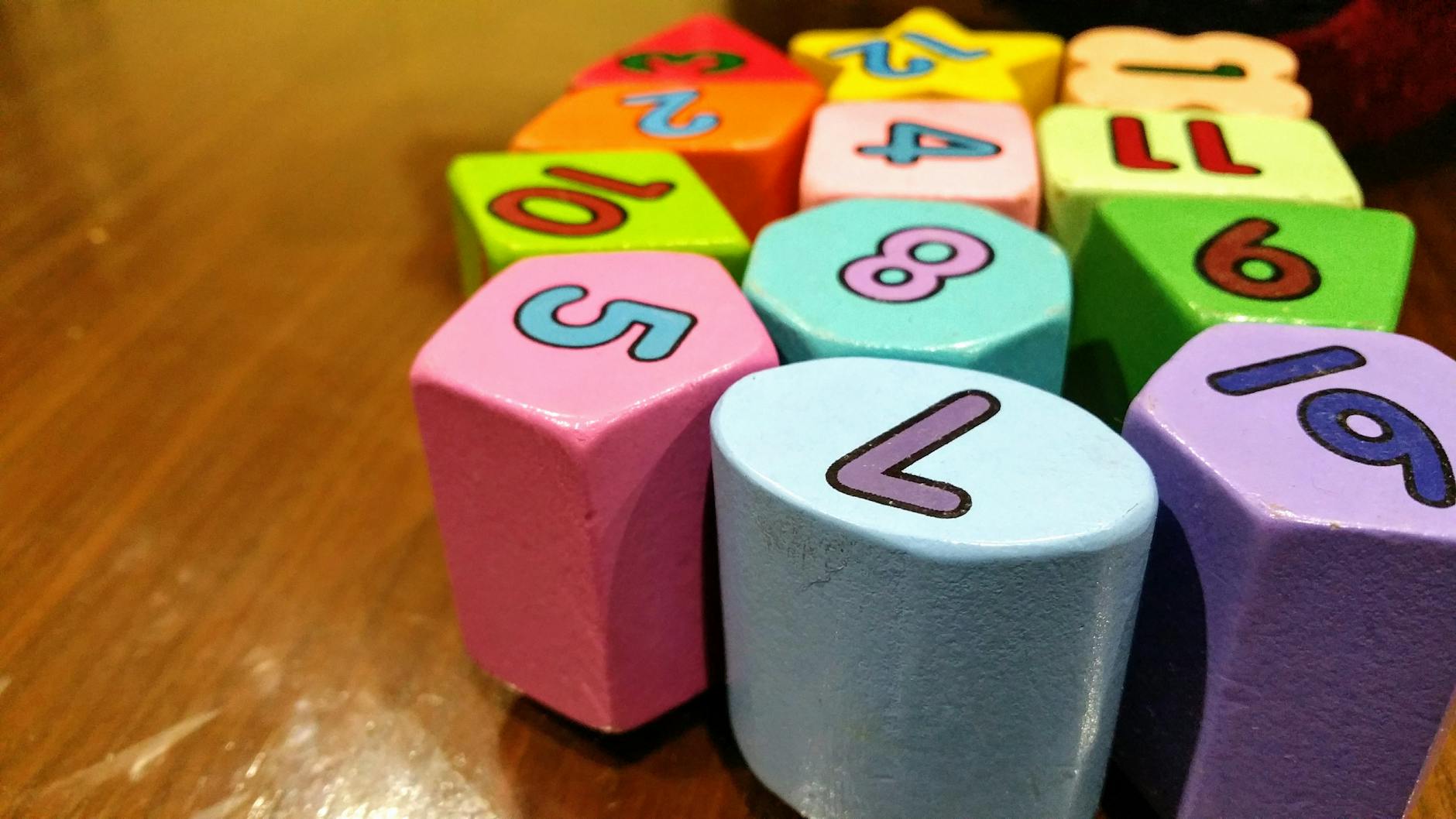 Curriculum
Math Games That Make Numbers Come Alive (Even for the Kid Who Hates Math)
My son cried at math worksheets for two years. Then we found games. Here are the ones that changed everything — no flashcards required.
 Curriculum
Living Books: What They Are and How to Find Them
Charlotte Mason's term for books that feel alive. Here's what makes a book 'living,' why it matters, and a list of the ones that have done the most for our homeschool.
 Curriculum
Teaching Writing at Home (When You Don't Feel Like a Writing Teacher)
Writing is the subject most homeschool parents fear most. Here's how we finally made it work — and the approach that produces the most growth for the least friction.