Homeschooling Through Different Seasons of Life
Your homeschool cannot look the same in every season. Here is permission to let it change — and how to adapt your approach when life shifts around you.
The homeschool that worked when your children were young and you had margin and energy does not automatically work during pregnancy, or illness, or job loss, or the death of someone you love.
Life has seasons. Your homeschool has to have seasons too.
One of the quiet failures of homeschool culture is the pressure to perform the same educational program regardless of what is happening in the rest of your life. The expectation that rigor and consistency are virtues independent of context.
They are not. Rigidity is not a virtue. Adaptability is.
What Season Are You In Right Now?
It helps to name it honestly.
An abundant season. Your health is good, your relationships are stable, your finances are not precarious, you have energy. In this season, you can do more. You can push into challenging curriculum, take on more projects, be more ambitious.
A maintenance season. Life is functional but demanding. You are managing everything, but margin is thin. In this season, protecting the core matters more than expanding it. Do the essentials well. Let the extras wait.
A survival season. A health crisis. A family emergency. A mental health struggle. A move. A death. Something has consumed most of what you have. In this season, the goal is to get through with your family relationships intact and your children knowing they are loved.
Each of these seasons calls for a different homeschool.
The Survival Season Homeschool
In the hardest seasons, radical simplification is not failure. It is wisdom.
In a survival season, your homeschool is:
- Reading aloud together. Whatever you have energy for. Twenty minutes. Ten. It counts.
- Math facts, continued, because mathematical fluency is one of those things that erodes quickly without practice.
- Outside time. Because nature is healing and children need it and it requires almost nothing of you.
- As much beauty as you can manage — music, art, literature, the things that nourish the soul even when everything is hard.
That is it. That is school in the survival season. Everything else can wait.
This will not ruin your children. What ruins children is not a light year of homeschooling. What damages children is chronic instability, emotional unavailability, the sense that their world is not safe.
If they feel safe and loved, you are doing the most important thing. The curriculum will catch up.
What Survival Season School Looks Like in Practice
Here is something specific: a family we know went through a difficult pregnancy followed by a NICU stay for their newborn. Their three older children, ages 6, 9, and 12, did school for three months with almost no formal instruction.
They listened to audiobooks. They cooked simple meals with grandma. They read on their own. The twelve-year-old taught the six-year-old card games. They spent a lot of time outside.
When things stabilized and the baby came home, they picked back up. The twelve-year-old was not "behind." She had read more that quarter than she had in the previous two years combined. The six-year-old could count to a hundred by fives.
The things that mattered kept happening because children are learning all the time, even when nobody is formally teaching them. The crisis was hard. The education survived it.
The Maintenance Season Homeschool
Maintenance seasons are subtler than survival seasons, and sometimes more dangerous, because the pressure to keep performing the full program feels more realistic.
You are not in crisis. You can manage. But the margin is gone, and you are running on reserves you don't actually have.
The maintenance season homeschool looks like this:
Protect the non-negotiables. For most families that means daily math, daily reading (read-aloud or independent), and writing a few times a week. These three things cover the ground that is hardest to recover from later if neglected.
Drop the enrichment guilt. The science unit study, the geography fair, the artist study, the nature journals — these are good things. They are not essential things. A maintenance season is not the time to add projects. It is the time to do the core things steadily and let the rest wait.
Use screens strategically. Khan Academy, quality documentaries, audiobooks — these count as education and they do not require your energy. Using them heavily during a maintenance season is not a failure of your homeschool philosophy. It is a reasonable response to a real constraint.
Transitions Between Seasons
Seasons shift. The survival season eventually becomes a maintenance season. The maintenance season sometimes opens into abundance.
When a hard season ends, resist the temptation to immediately compensate by doubling down on all the things that were let go. The transition out of a hard season needs to be gradual.
Rebuild one thing at a time. Add math back at a sustainable pace before adding history. Reestablish the reading rhythm before launching the science unit study.
Overhauling everything at once because you are "behind" is a reliable path back into overwhelm.
The Abundant Season: Don't Waste It
Most articles about homeschool seasons focus on surviving hard seasons. This section is for the good ones.
Abundant seasons are real and worth naming. Health, stability, margin, energy — when these things align, your homeschool can do things it cannot do at other times.
In an abundant season, add the things that require sustained effort: a longer unit study, a skill that needs intensive practice (foreign language, music, a physical discipline), a project that takes months to complete. These are the things that survive in memory, that shape identity, that produce the stories children tell about their childhood education.
A child who studied Latin for two years in an abundant season carries that forward. A child who spent a summer building and launching a model rocket carries that forward. A child who read every Tolkien book and then read the appendices and then read Tolkien's letters carries that forward.
Abundant seasons are when the extraordinary work happens. Don't let them pass without using them.
Recognizing the Shift Before It Overwhelms You
The most dangerous moment in a season change is not the crisis itself. It is the two or three weeks before you admit to yourself that you are in a harder season.
During that window, you are still trying to maintain the abundant-season schedule on survival-season energy. The gap between what you are attempting and what you can actually do produces a specific kind of shame: I should be doing better than this. Something is wrong with me.
Nothing is wrong with you. The season changed, and you haven't adjusted yet.
Signs that the season has changed and you haven't caught up:
- You feel resentful of the school day more often than not
- You are behind on things you were never behind on before
- Getting started in the morning takes significantly more effort than it used to
- You are shorter with your children than you want to be, and it is not improving
When several of these are true for more than a week or two, the season has changed. Name it. Adjust the school accordingly.
The Long View
A child educated at home for twelve years receives an enormous amount of education, even if several of those years were lighter than you would have liked.
One hard year does not determine the arc. One survival season does not produce an uneducated child. What produces an educated child is the accumulation — the long, patient, imperfect accumulation of reading and conversation and curiosity and love — over the full span of the homeschool years.
You have time. You have more time than you think.
In the meantime, be honest with yourself about what season you are in. Give yourself what the season actually calls for. Trust that the next season will come.
It always does.
Homeschool overwhelm has specific strategies for the days when it all feels like too much. And homeschool burnout recovery is for when a hard season has lasted longer than it should.
Written by
The High Vibe Homeschool Team
We are a homeschool family that has been doing this for seven years across three kids. We write about what we have actually tried, what failed, what surprised us, and what we would do again. No credentials. Just lived experience.
ENJOYED THIS ARTICLE?
Get more like it every week
Real homeschool life, in your inbox.
Keep Reading
More in Wellness
 Wellness
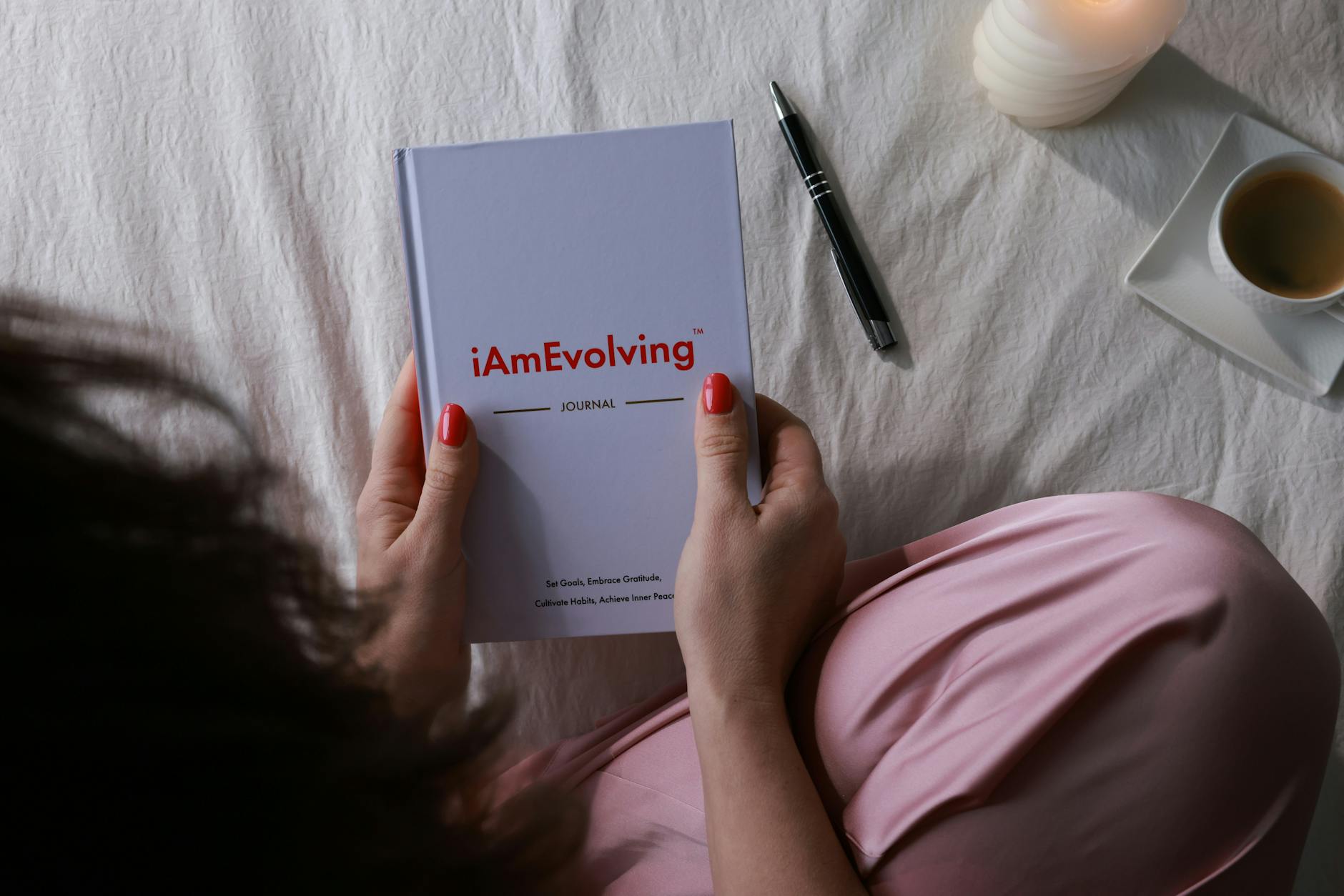
Gratitude as a Homeschool Practice: Why It Changes Everything
A brief, concrete practice that has changed the tone of our homeschool days — and why starting with what went right is more powerful than most curricula I have ever purchased.
 Wellness
Daily Self-Care for the Homeschool Mom (That Actually Fits in Real Life)
Not a five-step morning routine. Not an hour of meditation. The small, sustainable practices that keep homeschool moms functioning on the ordinary days.
 Wellness
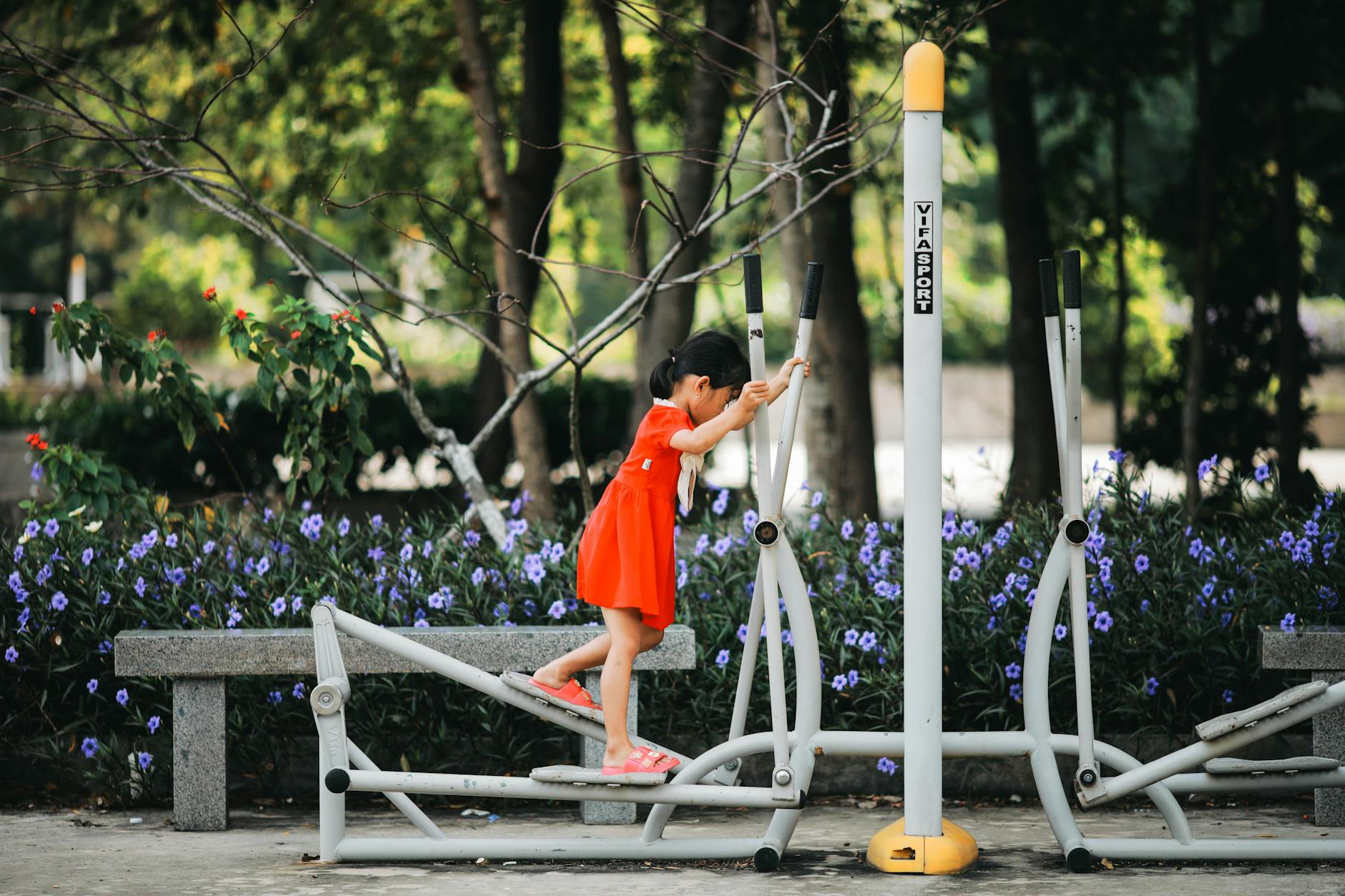
Movement in Your Homeschool Day: Why It's Not a Break From Learning
The research on movement and learning is clear enough that I now consider it non-negotiable. Here is how we have woven physical movement into our school day in ways that do not feel like P.E. class.