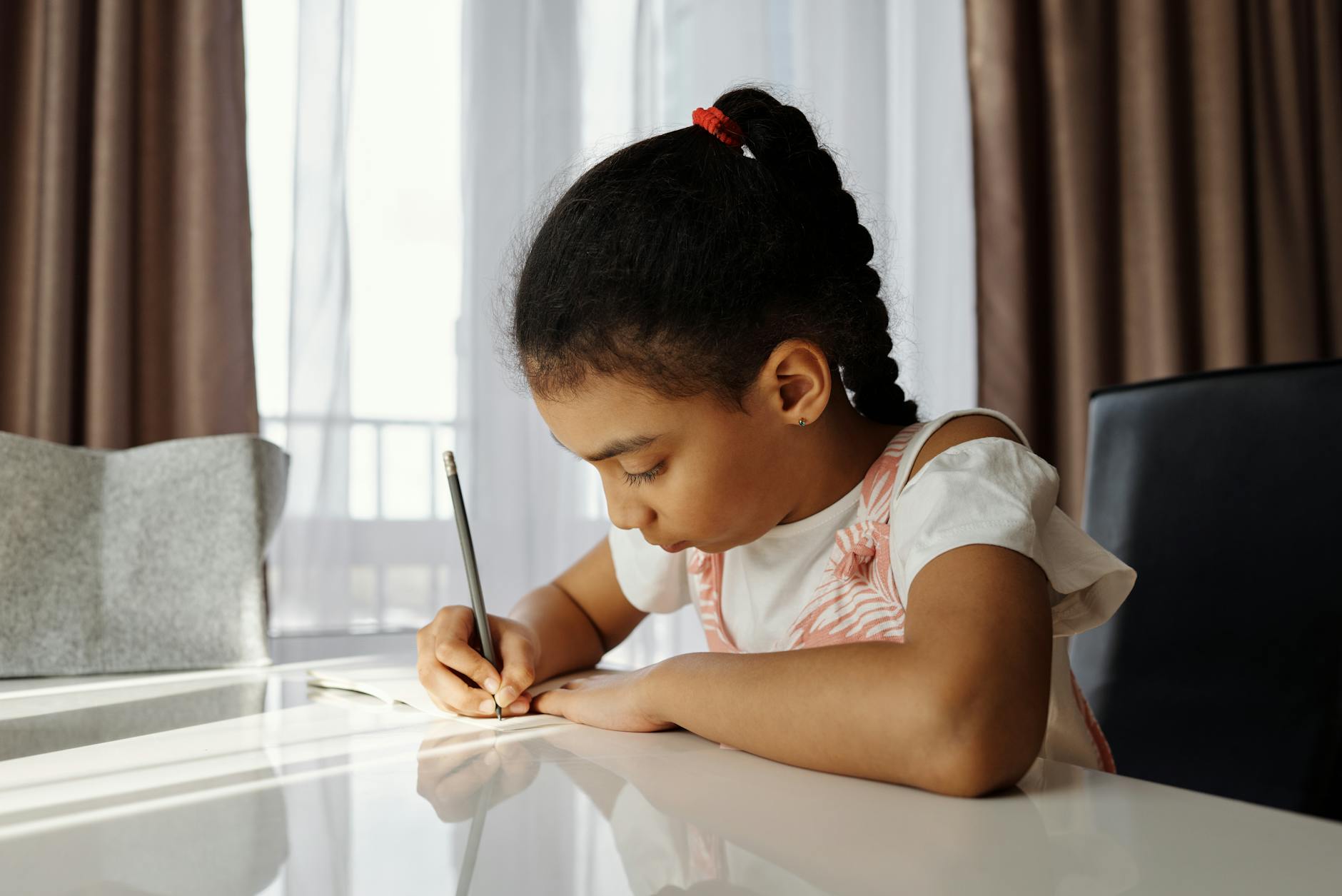
Teaching Your Child to Learn Independently (The Long Game)
The goal of a homeschool education is a child who can teach themselves anything. Here is how we have deliberately built independence into our school — and why it takes years, not months.
The most important skill my children will leave our homeschool with is not math or writing or history.
It is the ability to learn something they do not yet know.
The other skills are transferable. A child who knows how to read carefully, find information, evaluate its reliability, synthesize it with what they already know, and apply it to a problem is equipped for anything. A child who has good habits of mind but mediocre test scores is more capable than a child with excellent test scores who cannot function without instruction.
Building genuine learning independence takes years. Here is how we have worked on it deliberately.
The Stages of Independence
Stage 1: Imitation with support (Ages 4-7 roughly)
Young children learn primarily by doing alongside a more capable person. They watch how you read, how you approach a problem, how you respond to not knowing something. Your modeling during this stage is more powerful than any curriculum you buy.
In practice: the adult reads aloud, the child narrates back. The adult demonstrates an art technique, the child tries it. The adult looks something up in a reference book and describes the process, not just the answer.
Stage 2: Scaffolded independence (Ages 7-11 roughly)
The child begins doing things alone with your support available but not constant. They read independently, work through some problems without assistance, write first drafts without hovering. You are the resource they consult when genuinely stuck, not the supervisor who checks in every five minutes.
The critical move at this stage: let them struggle longer than feels comfortable before intervening. Productive struggle is where the learning happens. The discomfort you feel watching a child wrestle with a problem is often a signal that something important is occurring.
Stage 3: Self-direction with guidance (Ages 11-15)
The child begins to set their own learning goals, pursue interests without assignment, and self-assess their work. The parent transitions from teacher to mentor — available, interested, occasionally assigning specific skills work, but increasingly stepping back.
Stage 4: Mentored autonomy (Ages 15+)
The young adult is directing their own education with the parent as advisor and resource-connector. Real-world mentors (adults with expertise in areas the student cares about) become more important than parental instruction.
What Actually Builds Independence
Not rescuing them from difficulty. The parent who explains before the child has genuinely tried produces a child who waits to be explained to. The parent who lets the child try, struggle, try differently, and ask for help only when genuinely stuck produces a different kind of learner.
Teaching them to use reference books. A child who knows how to use a dictionary, a thesaurus, an atlas, an encyclopedia, and an index has tools that extend far beyond what you know. Teaching this is boring and takes time. It is also one of the most valuable things you can do.
Narration as thinking practice. Explaining what you know to someone else forces reorganization of the information. A child who narrates regularly is practicing the cognitive work of synthesis, which is the heart of independent learning.
Let interests run. A child who spends three weeks on birds because they want to is learning what it feels like to be deeply engaged with something you chose yourself. That experience is the seed of adult intellectual life.
Self-assessment questions. "What did you understand from that?" "What do you still not understand?" "What would you look at next?" These questions, asked regularly and not as evaluation, build metacognitive habits — the ability to monitor your own learning.
The Role of Failure
Children who are protected from failure in their learning tend to become adults who are afraid to try things they might fail at.
A child who completes a project that does not work as planned, understands why, and tries again has learned something more durable than a curriculum lesson. A child whose parent redoes the project until it is successful has learned that their own attempts are not good enough.
Let work be theirs. Let results be real. Let adjustment be required. The habit of trying, not the habit of succeeding, is what you are building.
What Independent Work Actually Looks Like Day-to-Day
In practice, building independence is less dramatic than it sounds. It is mostly small daily choices about when to step in and when to wait.
My son will sometimes sit at his math for ten minutes with a pencil in hand and nothing written. My instinct is to walk over and explain the problem. What I have learned to do instead: wait five more minutes, then ask "do you want to talk through what you're stuck on?" rather than explaining unprompted. The difference between those two moves is significant. The first trains him to wait for rescue. The second trains him to identify where his understanding breaks down, which is the actual skill.
For writing, we moved to a process where my daughter drafts completely alone and I do not see it until she has already read it back to herself and made at least one change. This felt wrong at first. It felt like not helping. What it produced was a child who started revising her own work without being asked, because the habit was established before I entered the picture.
For research, we keep a collection of real reference books on the school shelf: a good atlas, a one-volume encyclopedia, a visual science dictionary, several subject-specific books. When a question comes up, the first response is "what do you think? and where could we find out?" not "let me tell you." Some questions get answered in five minutes. Some turn into afternoon projects. Both are fine.
The Hardest Part: Tolerating the Mess
Independent learning is messier than directed learning. The narration will miss important points. The research will go down odd side-paths. The self-assessment will be either too harsh or too generous.
This is not failure. This is practice.
A child who narrates a history lesson and gets three things right and two things confused is practicing the exact skill I am trying to build. I note the confusions, clarify briefly, and move on. I do not re-teach the whole lesson. The goal is not perfect recall; it is the habit of attempting to organize and express what you know.
The parents I know who have the most independently capable children are also the parents who seem most comfortable with imperfection. Not because they have low standards, but because they understand that a messy first attempt is the beginning of learning, not evidence that learning is not happening.
Building Research Skills Specifically
Research is a specific skill set that needs specific instruction, and most homeschool curricula do not teach it explicitly. We have worked on it deliberately across three areas.
Finding information. We started with physical reference books before digital sources, because using an index teaches the logic of how information is organized. My son can now use a table of contents and an index fluently, which transfers directly to how he navigates websites, databases, and libraries.
Evaluating sources. By about age ten, we started asking: who wrote this? Why did they write it? What might they have left out? A child who reads a single book about a historical event and takes it as complete truth is not doing history. A child who asks "what do people who disagree with this say?" is.
Synthesizing and citing. When my daughter writes a research paper, she keeps a simple note card for each source. The skill of saying "this is where I found this" starts with paper note cards before it ever involves formal citations. The habit matters more than the format.
What About Curricula That Do the Thinking For Them?
Some curricula are structured so that the child simply fills in blanks, follows a script, or reproduces a model with minor variation. These are easier to implement and produce neater work. They also do almost nothing to build independence.
That does not mean they are useless. A child who needs the scaffold of a highly structured program to build foundational skills is being served by that structure. But if structure is never relaxed, if the child never faces an open-ended task, never writes a paper without a prompt, never solves a problem without a worked example, then the independence never develops.
We use structured programs for skills practice: math facts, phonics, grammar. We use open-ended approaches for almost everything else: history narrations, science notebooks, writing, research. The combination has worked better than either extreme alone.
The Measure That Matters
By the end of our homeschool, I want each of my children to be able to learn anything they need to know.
Not because I will have taught them everything. Because I will have given them years of practice figuring things out — with support early and with increasing autonomy over time.
A child who leaves homeschool knowing how to read carefully, find and evaluate information, struggle productively, and teach themselves is more educated than one who simply covered all the required subjects.
That is the long game.
Free Download
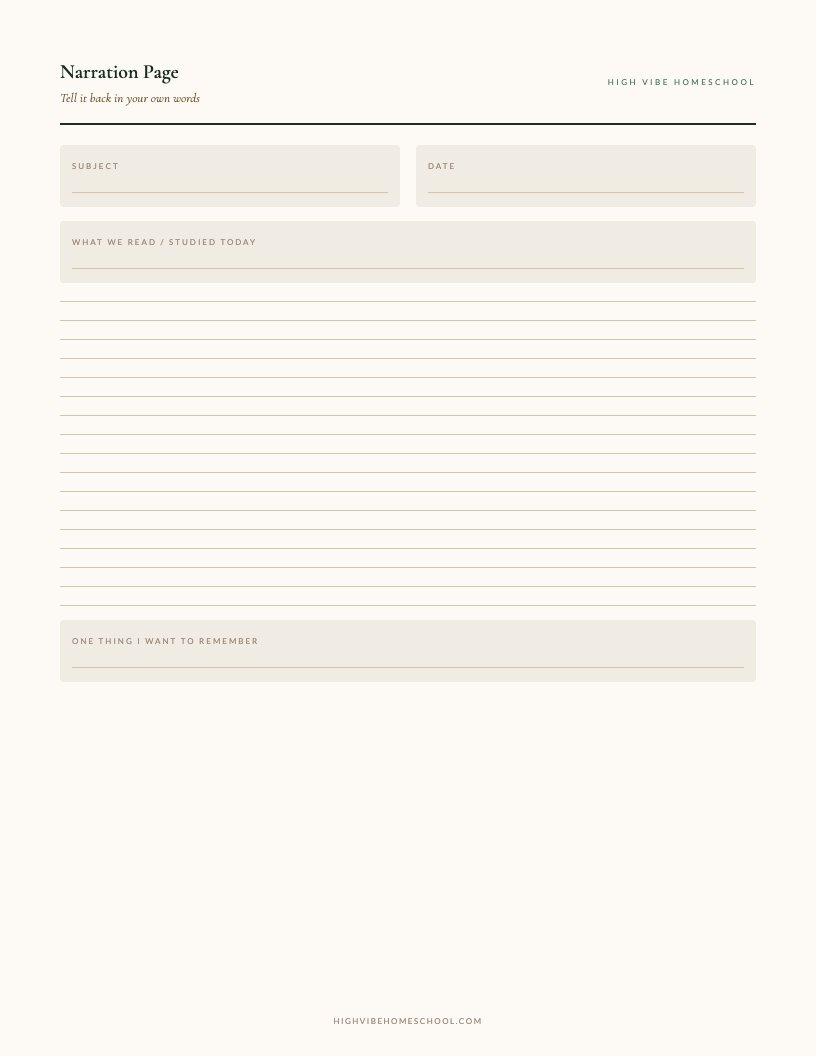
Charlotte Mason Notebooking Pages
4 pages for recording what your child is learning: lined narration, drawing box, nature entry, and free study.
No spam. Unsubscribe anytime.
Independence is built on the foundation of narration — oral expression is the first independent learning skill to develop. And for working parents, building independence is specifically what makes the homeschool sustainable.
Written by
The High Vibe Homeschool Team
We are a homeschool family that has been doing this for seven years across three kids. We write about what we have actually tried, what failed, what surprised us, and what we would do again. No credentials. Just lived experience.
ENJOYED THIS ARTICLE?
Get more like it every week
Real homeschool life, in your inbox.
Keep Reading
More in Curriculum
 Curriculum
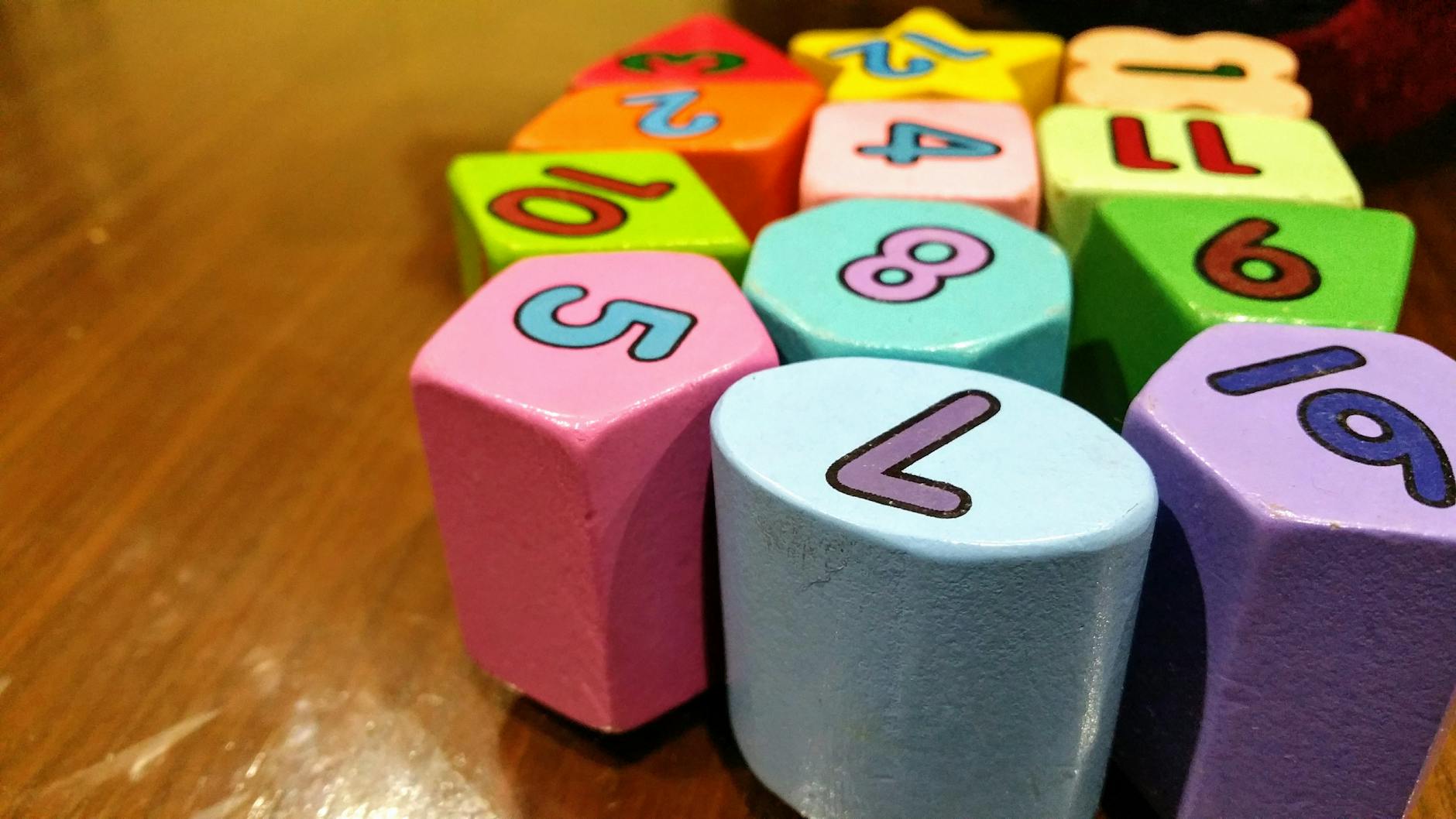
Math Games That Make Numbers Come Alive (Even for the Kid Who Hates Math)
My son cried at math worksheets for two years. Then we found games. Here are the ones that changed everything — no flashcards required.
 Curriculum
Living Books: What They Are and How to Find Them
Charlotte Mason's term for books that feel alive. Here's what makes a book 'living,' why it matters, and a list of the ones that have done the most for our homeschool.
 Curriculum
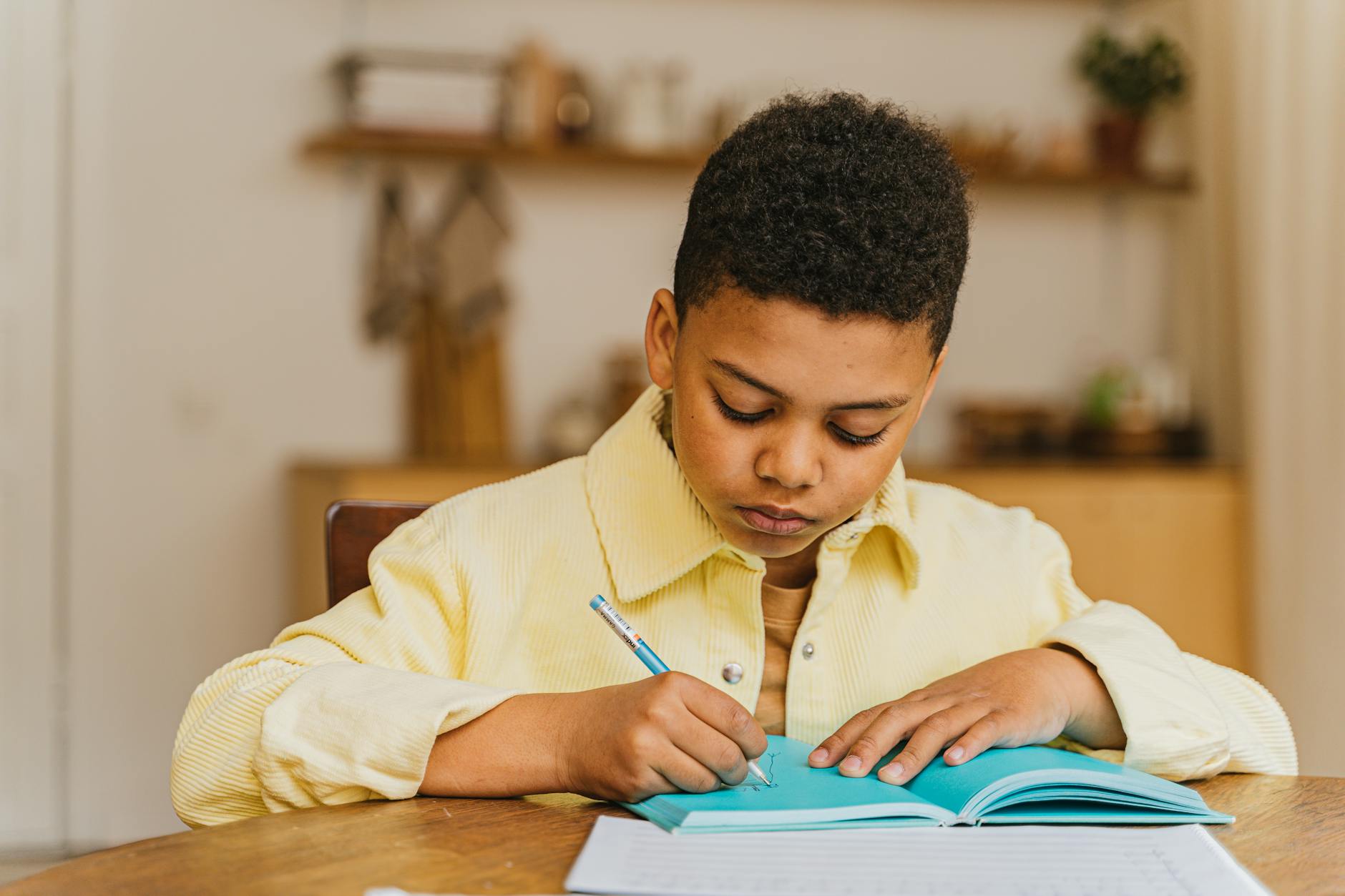
Teaching Writing at Home (When You Don't Feel Like a Writing Teacher)
Writing is the subject most homeschool parents fear most. Here's how we finally made it work — and the approach that produces the most growth for the least friction.