Homeschool Field Trips: How to Make Them Count (Without Turning Into a Tour Guide)
Field trips are one of the genuine advantages of homeschooling. Here's how we plan them, what makes one work, and the question we always ask afterward that changes everything.
We went to a natural history museum when my oldest was six.
I had prepared extensively. I had printed worksheets. I had identified six exhibits that corresponded to things we were currently studying. I had a plan.
He spent forty-five minutes lying on his back on the floor of the main hall staring at the ceiling through a mounted whale skeleton, asking me questions about how whales breathe, how big the heart was, what the bones in the flippers were actually called.
We never got to the six exhibits I had planned.
It was the best field trip we had that year.
What Makes a Field Trip Work
I have since come to believe that the prepared worksheets were the problem, not the solution. They turned a museum into a scavenger hunt, which turned a child into a checklist-completer, which prevented the thing that makes field trips valuable: sustained attention to a real thing.
The best field trips I have observed, in our family and others, share a few qualities.
They begin with something the child is already curious about. We went to a working farm the spring my son could not stop asking about where food came from. We went to the art museum the week after spending a month studying Impressionism. The interest existed before we arrived, so the visit had something to land on.
They allow open time. Scheduled programs and guided tours have their place, but unscheduled wandering produces the most genuine engagement. A child who is allowed to stop and stare at the same thing for twenty minutes is learning something a scheduled tour cannot teach.
They end with a question, not a summary. "What do you want to know more about?" is a more productive debrief than "what did you learn today?" The first invites continued curiosity. The second invites closure.
The Types of Field Trips That Have Worked Best for Us
Working places. Farms, bakeries, newspaper printing facilities, fire stations, post offices. Watching real adults do real work is fascinating to children who spend much of their day with one adult doing educational work. What do other jobs look like? How does the world function?
Natural places. Forests, beaches, wetlands, parks, nature preserves. These work at any age, cost almost nothing, and produce conversation that no artificial learning environment can replicate.
Living history sites. Historical villages, reconstructed settlements, and working museums where staff interpret a period of history in character. These create a different kind of engagement than a static exhibit.
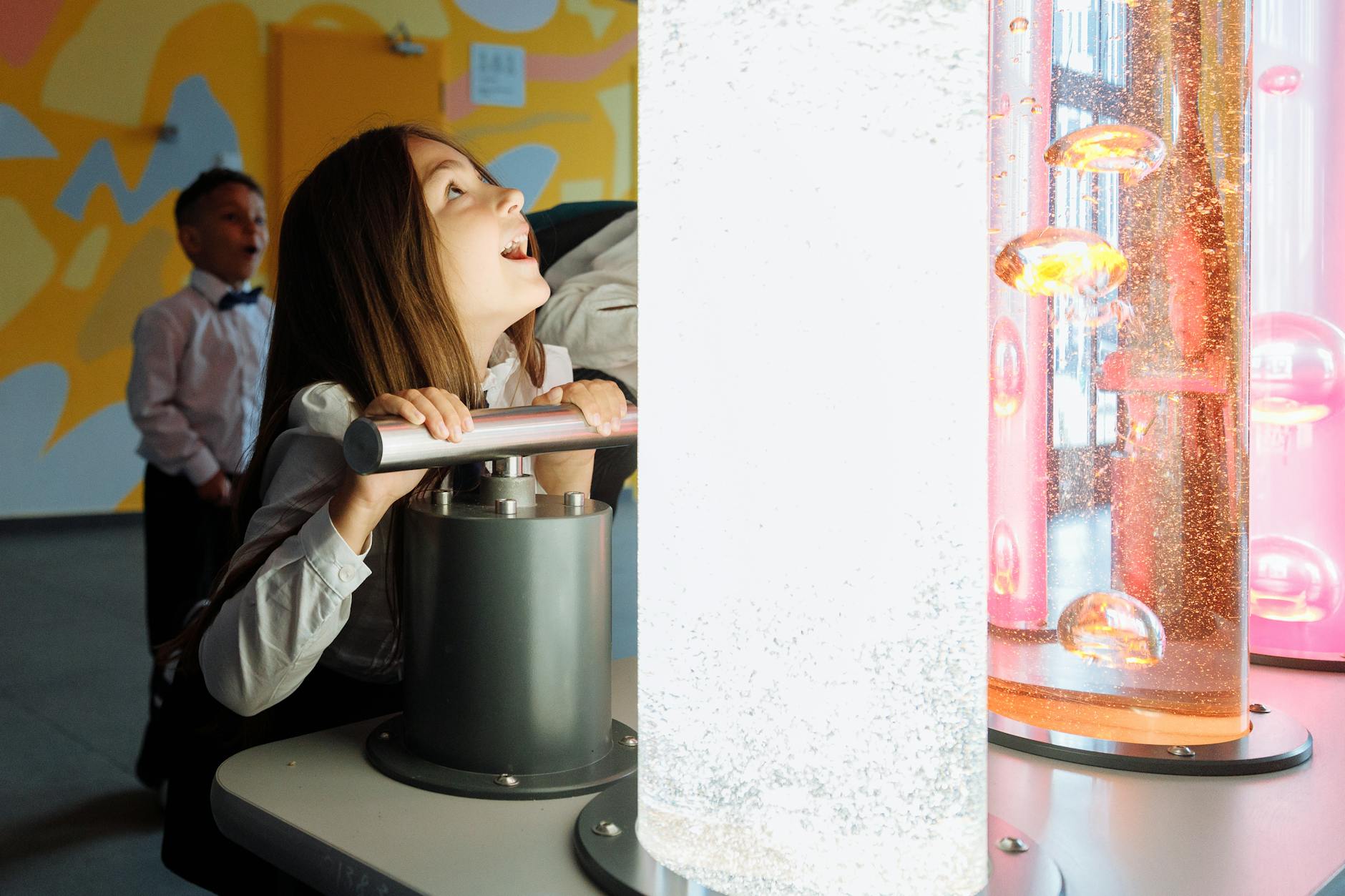
Museums with handling collections. Science museums where children can touch specimens. Natural history museums with hands-on discovery rooms. Art museums with studio spaces where children can make something after seeing the collection.
How to Ask a Business for a Private Tour
This is something most homeschool families do not realize is an option.
Many small businesses and local operations are genuinely happy to host a curious homeschool family for a thirty-minute behind-the-scenes visit. We have toured a glass blowing studio, a small-batch chocolate maker, a letterpress print shop, and a local newspaper, all because I called or emailed and asked.
The ask is simple: "We're a homeschool family with children ages [x] and [x]. We've been studying [relevant topic] and would love to see how your operation works. Would you be willing to do a brief tour at a time that is convenient for you?"
A few things that help: be specific about ages and what you are studying, so they know you are serious and can calibrate the experience. Offer to come at off-peak times. Keep it to forty-five minutes. Write a thank-you note afterward.
Most people say yes. The experience for the child is usually far more memorable than any museum visit because they are seeing a real adult do a real thing in the actual environment where that thing happens.
The Planning Framework We Use
For each field trip, I spend about fifteen minutes thinking through three questions:
What is the child already wondering about? I keep a running list of questions my kids ask during read-alouds, nature walks, and daily life. Field trips are often responses to items on that list.
What will we do when we arrive? Not a detailed plan, but basic logistics. Where do we park, what are the hours, is there a program that day, what should we eat?
What will we do afterward? Not a worksheet. Maybe a narration. Maybe a drawing in the nature journal. Maybe a library book request. Maybe just dinner conversation. Something that keeps the experience alive for another day or two.
Making Field Trips Connect to Your Curriculum
The most powerful field trips are the ones that arrive at the right moment in a longer study.
A visit to a Revolutionary War battlefield is interesting to any child. To a child who has spent three weeks reading narratives of the Revolutionary War, it is transformative. They are not seeing a preserved park. They are standing in a place where the things they have been reading about actually happened.
This is not difficult to engineer. It just requires a little sequencing: decide when the field trip will be before you start the unit, and build the study toward it. The visit is the capstone, not the introduction.
The same works in reverse occasionally. A visit to an art museum at the beginning of a month-long study of Impressionism gives the children faces and paintings to hold onto as they read. But generally, context-then-visit produces more depth than visit-then-context.
Free and Low-Cost Options That Are Underused
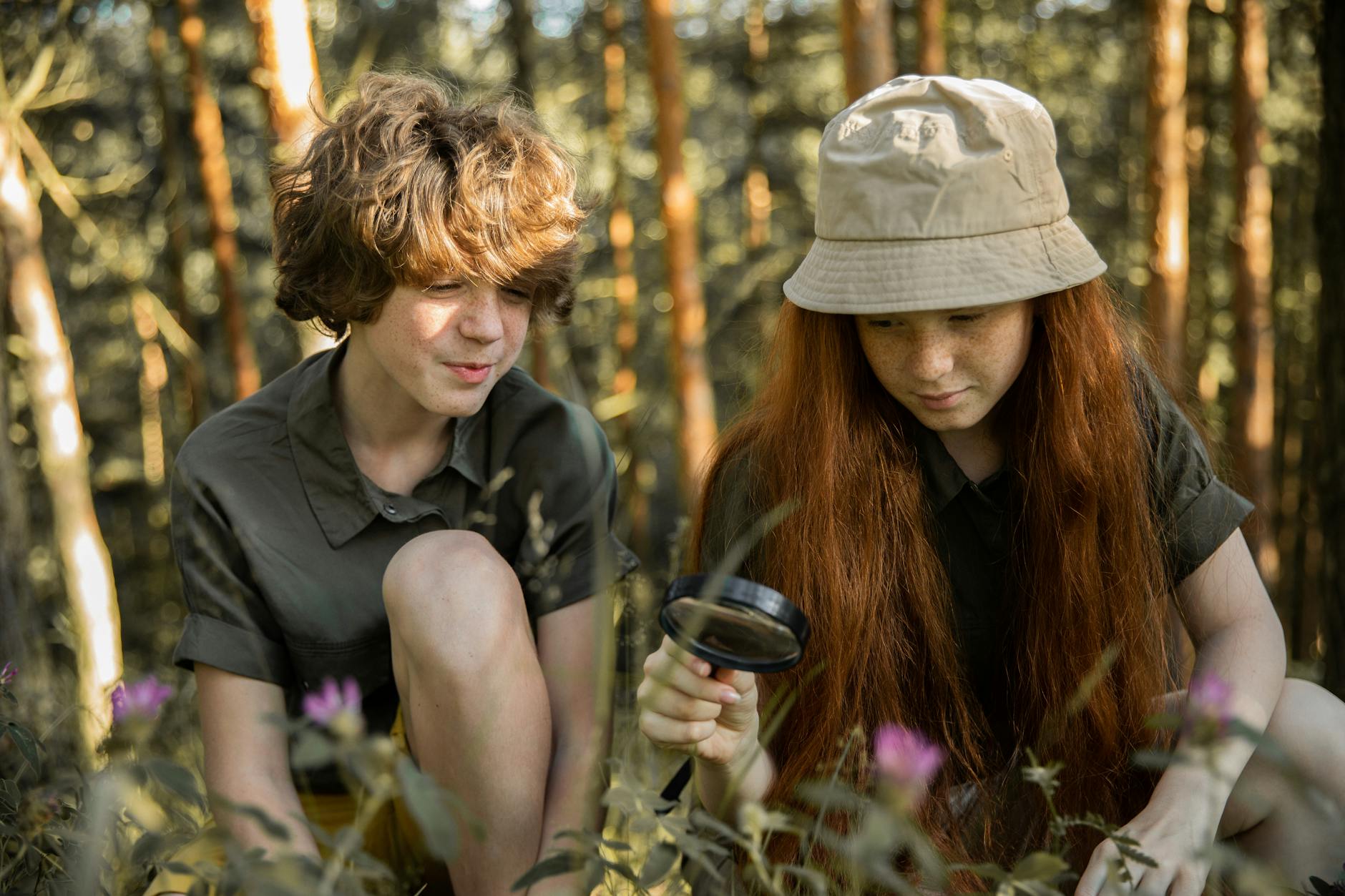
Your own property and neighborhood. A magnifying glass and an hour in the backyard produces as much observation and questioning as most nature centers.
State and national parks. Admission is often free or extremely low. Junior Ranger programs give children a framework for engagement.
Library author events and storytimes. Meeting a living author of a book your child loves is a memorable field trip that costs nothing.
Local businesses. Most small business owners are genuinely happy to explain what they do to a curious homeschool family. We have toured a glass blowing studio, a small-batch chocolate maker, and a local newspaper. Each time, a phone call was all it took.
Government facilities. Many courthouses, city halls, firehouses, and water treatment facilities offer free tours. These produce some of the best civic education available because they make abstract institutions concrete and real.
University labs and extension programs. Many university agricultural extension programs, nature centers, and research stations offer public programming. Some are specifically designed for homeschool groups.
How Often Is Often Enough
There is no rule. Some families do a weekly outing and structure their curriculum around it. Others do one substantial field trip per month. Some go in bursts, several in a busy season and none for a few months.
What does not work, in our experience, is treating field trips as special occasions that require elaborate preparation and are therefore difficult to schedule. When it becomes complicated, it stops happening.
We treat most field trips the same way we treat any other school activity: simple, practical, connected to what we are already doing. A walk in a local natural area is a field trip. A library visit is a field trip. The elaborate museum day is also a field trip, just a bigger one.
The frequency matters less than the consistency of treating the world outside your home as a valid learning environment.
The Whale Skeleton Lesson
My son still talks about the whale skeleton. He has since read two books about cetaceans, written a narration about whale anatomy, and correctly explained to his grandfather at dinner why whale flippers have finger bones.
None of that came from the worksheets I prepared.
It came from forty-five minutes of lying on a museum floor, looking up, and being allowed to wonder.
That is what field trips are for.
Field trips pair well with unit studies — a visit to a museum or historical site at the end of a unit produces a different kind of engagement than a visit with no context. And homeschool extracurriculars covers the broader landscape of activities outside the home.
Written by
The High Vibe Homeschool Team
We are a homeschool family that has been doing this for seven years across three kids. We write about what we have actually tried, what failed, what surprised us, and what we would do again. No credentials. Just lived experience.
ENJOYED THIS ARTICLE?
Get more like it every week
Real homeschool life, in your inbox.
Keep Reading
More in Daily Life
 Daily Life
How to End the Homeschool Year Well
The end of the homeschool year deserves more than quietly stopping. Here is how we close out the year intentionally — what we review, what we celebrate, and how we rest well before the next one begins.
 Daily Life
Homeschool Summer: How to Rest Without Losing Everything You Built
Summer in a homeschool is not the same as summer vacation. Here is how we structure ours — enough rest to restore everyone, enough continuity to make September feel like a continuation rather than a restart.
 Daily Life
Outdoor Science: The Homeschool Advantage You're Not Using
Most science curricula are indoor, textbook-based affairs. The outdoor world offers something they cannot: real science, happening in real time, available every day.