Homeschool Conventions: Are They Worth It?
Homeschool conventions can feel overwhelming from the outside. Here is what they actually offer, how to make the most of one, and whether the trip is worth taking.
The first time you walk into a homeschool convention, it can feel like arriving at a foreign country where everyone knows the customs except you.
There are thousands of people. There are booths selling curriculum you have never heard of. There are speakers with microphones and standing-room-only workshops and families with children in matching shirts moving through it all with startling confidence.
The second time, it feels like coming home.
What Conventions Actually Are
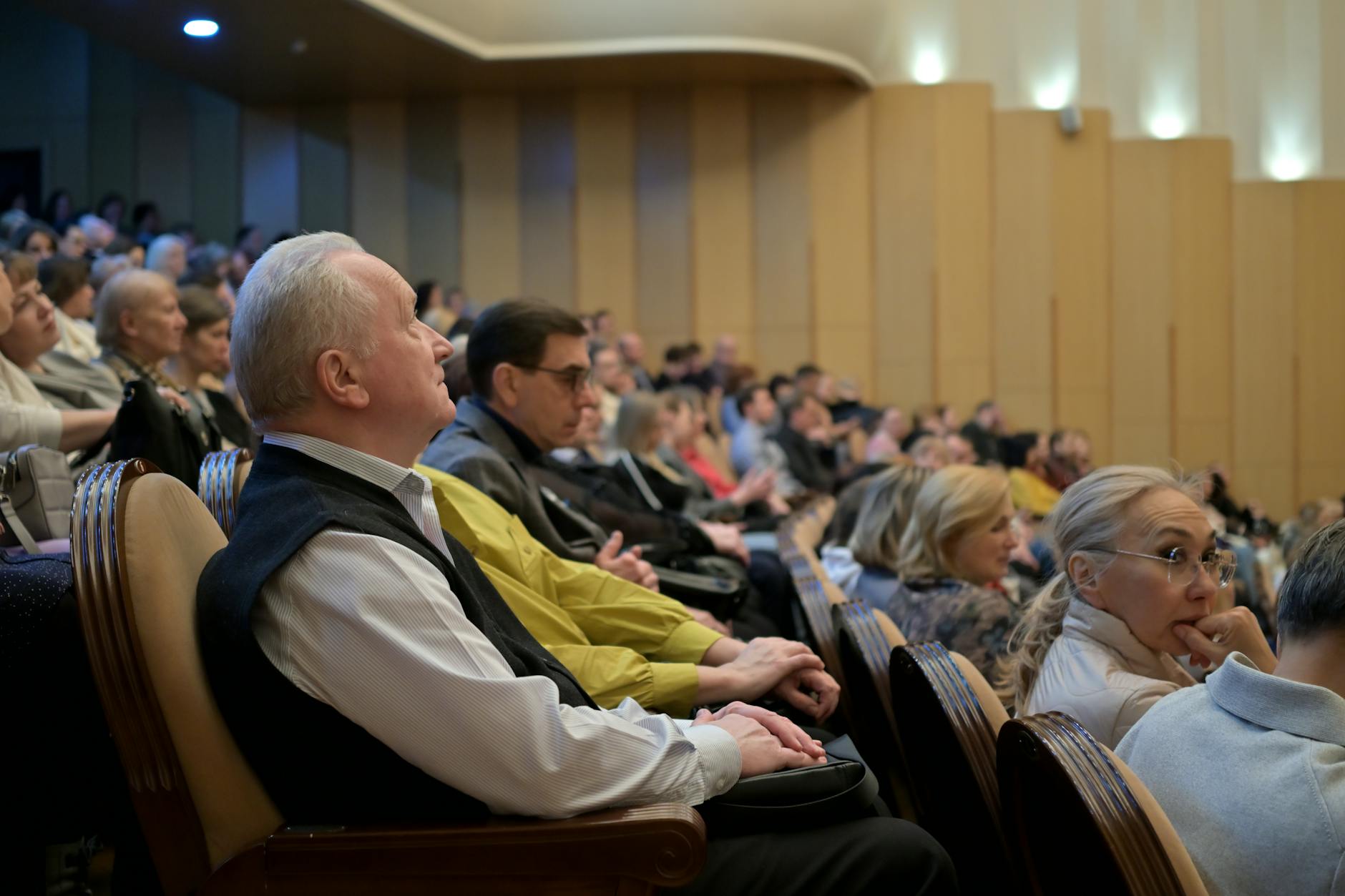
A homeschool convention is part curriculum fair, part conference, part reunion. The largest ones draw tens of thousands of attendees over three or four days. The smallest regional ones might be a single-day event in a church gymnasium with forty vendors and two speakers.
What they all share: a concentration of homeschool families choosing, in public, to show up for this life.
There is something quietly powerful about that.
What You Will Find There
Curriculum vendors. This is the main draw for most first-timers. You can touch, flip through, and compare curricula that you have only read about online. You can ask publishers direct questions. You can see what a full year of a program looks like before committing money to it.
This matters more than it sounds. Buying curriculum online means buying based on reviews and samples. Reviews vary. Samples are curated. Holding the actual teacher's guide in your hands and reading through a week of lessons tells you things a review cannot — whether the teaching style suits the way you think, whether the explanations are clear enough that you could actually deliver them, whether the book is the kind of thing your child would engage with or resist.
We have saved hundreds of dollars at conventions by deciding, in person, that something we had been considering was not right for us. The curriculum that photographs beautifully sometimes feels hollow in your hands.
Speakers and workshops. Most conventions offer sessions on everything from classical education philosophy to practical scheduling to raising teenagers at home. Some of the best speakers in the homeschool world are on the circuit — their talks are worth the convention cost on their own.
A few conventions we know of offer keynotes by speakers like Andrew Pudewa (Institute for Excellence in Writing), Susan Wise Bauer (The Well-Trained Mind), and a rotating roster of educators and authors who are worth seeking out specifically. If there is a speaker whose book changed how you think about education, check whether they are on the convention circuit before you decide which event to attend.
Used curriculum sales. Many conventions include a used curriculum hall where families sell what did not work for them. You can find $80 programs for $15. Bring cash.
The used curriculum hall is underrated. Most families who sell at conventions are selling because something was genuinely not a fit, not because it was defective. A math program that failed completely for a visual-spatial learner might be exactly right for a child who learns procedurally. Buy secondhand with the same judgment you would bring to buying new. Check that all pages are intact and workbooks are clean.
Community. This is the underrated part. Talking to other homeschool families for a full day — families in different stages, using different approaches, navigating different challenges — calibrates your perspective in ways that online communities cannot.
The hallway conversations. The family you end up next to at a speaker session who has been homeschooling for fifteen years and gives you the one piece of advice you needed. The realization that the struggles you have been carrying are universal rather than evidence that you are doing something wrong. This is the part that is hard to describe before you experience it and obvious afterward.
How to Prepare So You Do Not Leave Broke
Conventions have a way of making $3,000 in curriculum purchases feel very reasonable.
Set a budget before you go. Write it down. Know what you are looking for and what you are not.
Make a list of what you need to replace or add. If you go in without priorities, the shiny-object effect is real. Walk in knowing: I need a new history program for fifth grade, and I am curious about one specific writing program. Everything else is browsing only.
Give yourself one "impulse" category. Something you can spend on without guilt — a new read-aloud, a game, a single-subject workbook that caught your eye. Having permission for some spontaneity removes the guilt from browsing.
Take photos instead of buying. If something looks interesting but you are not sure, photograph the cover and title. Research at home. Buy later. Most convention-exclusive discounts are not as exclusive as they feel in the moment. Publishers want to sell curriculum, and the discount will be available another time.
Plan your sessions before you arrive. Most conventions publish their speaker schedule well in advance. Identify the two or three sessions you most want to attend and put them in your calendar before you go. The vendor hall is easy to navigate spontaneously. Workshop scheduling requires advance thought.
What to Do With Your Kids
This depends on the convention and your children's ages.
Many conventions have child programming — separate tracks for children that run simultaneously with the adult sessions. Some are good. Some are not worth the registration cost. Research specifically before assuming the child programming is a reason to bring kids.
Many families with older children (twelve and up) bring them specifically for the vendor hall. A teenager who can compare curricula and tell you what format they learn better from is a useful collaborator in the buying process. Spending two hundred dollars on curriculum a child could have told you they would hate is a preventable loss.
For young children, the convention is often exhausting. The vendor halls are loud and crowded. The sessions are long. Some families alternate convention attendance so one parent goes while the other stays with young children. This is worth considering.
The Regional vs. Large Convention Question
Large national conventions (Great Homeschool Conventions, HSLDA conventions) offer more vendors, more speakers, and a larger used curriculum selection. They are also more expensive to attend and may require travel.
Smaller regional conventions are often free or low-cost to attend. They have fewer vendors and sometimes fewer sessions, but the community component is often stronger because the attendees are your actual neighbors. You are more likely to meet families who are navigating the same local resources, the same co-op landscape, the same options for outside classes.
Our recommendation: attend a regional convention first. It is lower stakes for calibrating whether conventions are worthwhile for your family. If you find it valuable, a larger national convention is worth the investment. If you find it overwhelming or not useful, you have spent less on the discovery.
Is the Trip Worth It?
For most families: yes, at least once.
Even if you do not buy a single thing, the experience of being surrounded by thousands of families living this choice normalizes something that can feel isolating in daily life. You come home with your conviction refreshed.
For families in their first or second year, a convention is particularly valuable — the ability to compare curricula side by side, before spending, is genuinely useful. A bad curriculum purchase at the beginning of the homeschool journey can shake confidence that deserved to stay steady.
For veteran homeschoolers, conventions become less about the shopping and more about the people. The workshops. The speakers you want to hear. The hallway conversations with families a few years further down the road.
The trip is worth taking.
Homeschool co-ops offer community closer to home. And if you are just starting out, choosing a homeschool style will help you know what to look for at the convention vendor hall.
Written by
The High Vibe Homeschool Team
We are a homeschool family that has been doing this for seven years across three kids. We write about what we have actually tried, what failed, what surprised us, and what we would do again. No credentials. Just lived experience.
ENJOYED THIS ARTICLE?
Get more like it every week
Real homeschool life, in your inbox.
Keep Reading
More in Community
 Community
Homeschool Co-ops: How to Find One, Join One, and Know If It's Right for You
Co-ops can be the best part of your homeschool week or a significant source of stress. Here's what they actually are, how to find a good one, and the honest tradeoffs.
 Community
Building a Diverse Homeschool Community
Homeschool communities can be homogeneous by default. Building one that exposes your children to different perspectives, backgrounds, and experiences takes intention — here is how.
 Community
Homeschool Graduation: How to Make It Real and Meaningful
A homeschool graduation does not happen automatically. You have to build it. Here is what families who have done it well have in common — and what made ours worth remembering.