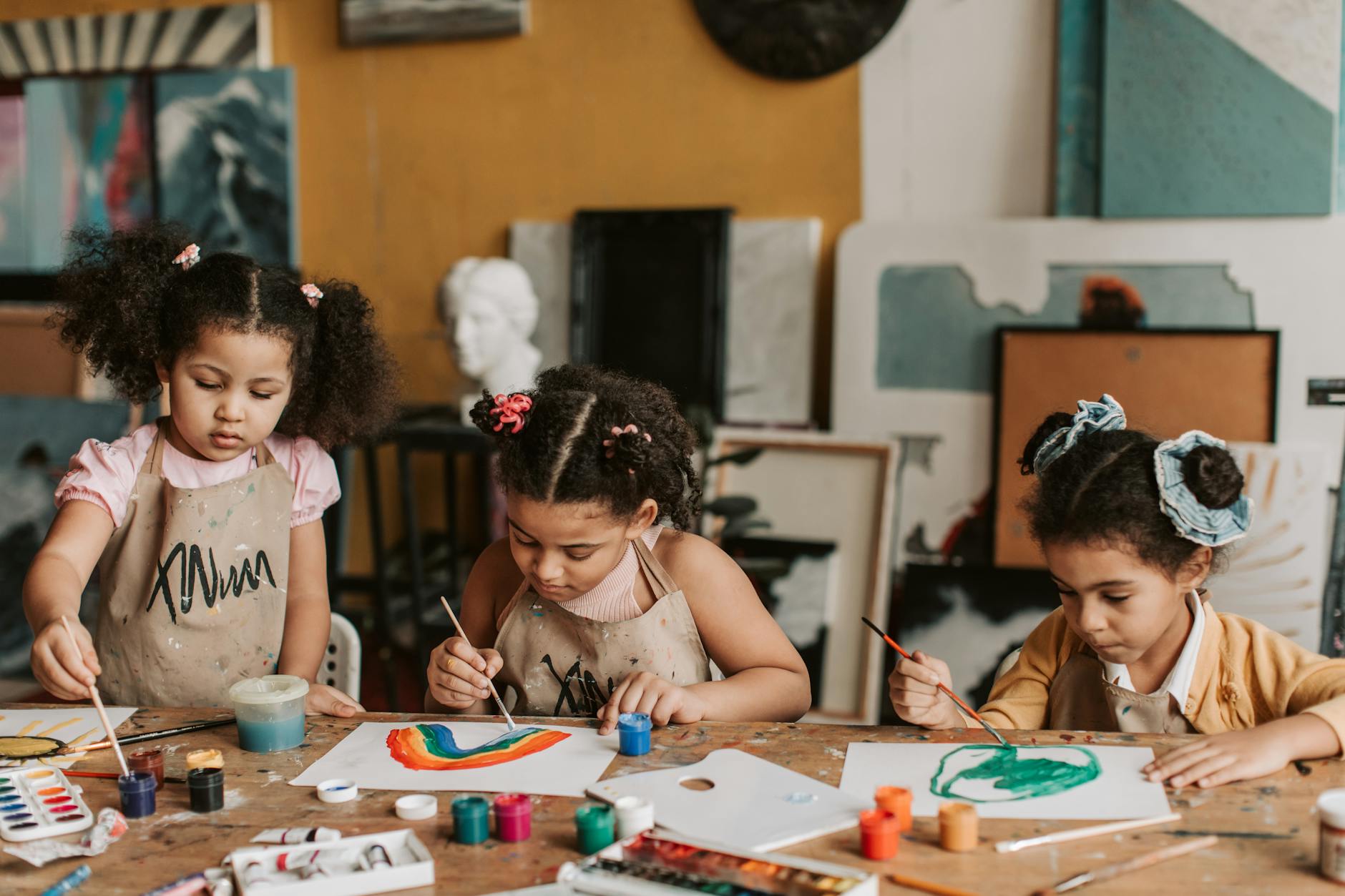
Homeschool Art Curriculum: What Works and What We Dropped
Art is the subject most homeschool curricula do poorly and most homeschool families avoid. Here is the stripped-down, materials-focused approach that produces children who actually make things.
A little note: Some links in this post are affiliate links. If you click through and buy something, we earn a small commission at no extra cost to you. We only ever link to things we would genuinely recommend to a friend.
We have used three art curricula. All three are on a shelf, mostly unused.
The shelf problem is not unique to us. Art curricula are among the most commonly purchased and least consistently used materials in homeschooling. They look good in the catalog. They often feel forced in practice.
Here is what has actually worked for us instead.
Why Most Art Curricula Disappoint
The fundamental problem: art curricula are designed to look comprehensive. They include art history, technique instruction, vocabulary, worksheets, projects, and assessments. They attempt to teach art the way math is taught — sequentially, with measurable outcomes.
Art does not work this way, particularly for children.
Children learn to draw by drawing. They learn to mix colors by mixing colors. They learn to look at things by looking at things. The sequence is: interest, materials, time, observation, making. Not: vocabulary, historical context, technique instruction, guided project.
Most curricula invert this. They front-load the information that should follow the making, and they assign the project that should emerge from genuine interest.
The other problem is pacing. Art curricula want you to do a project a week, or cover one artist per unit. But a child who gets captivated by watercolor does not want to move on to tempera in two weeks because that is what the schedule says. Interest, when it arrives, deserves time.
The Approach That Actually Produced Results
1. Good materials, always available.
Not expensive materials. But not bad materials either. A decent set of colored pencils. Real watercolors with actual pigment. Blank sketchbooks. A drawing board. Plain white paper in bulk.
Children who have access to materials they trust and enjoy will draw. Children with crayons that snap and watercolors that go brown will not.
We keep art supplies in one dedicated bin on an open shelf, low enough for the youngest to reach. Not locked up, not "special." Available on an ordinary Tuesday afternoon when the mood strikes.
2. Artist study, one artist at a time.
We spend three to four weeks with a single artist. We look at their work together — several pieces, spread over multiple sessions. We talk about what we notice: the colors, the subject, how it makes us feel, what the artist seems to have cared about.
Then we make something. Not a copy. Something inspired by what we absorbed.
Winslow Homer changed my son's relationship with watercolor. Kandinsky changed my daughter's relationship with color theory. Neither of them knew they were being taught.
Some artists that have worked particularly well for us: Monet (color and light, great for any age), Georgia O'Keeffe (close observation, beautiful for nature lovers), Vincent van Gogh (emotional expressiveness, resonates with older children), Paul Klee (color theory and shape, surprisingly accessible for young kids).
3. Observation drawing, regularly.
Fifteen minutes, three times a week: draw something real in front of you. A plant. Your own hand. A piece of fruit. Whatever.
The skill being built here is not drawing skill. It is looking skill. Learning to actually see the thing in front of you rather than the symbol for the thing. Once this skill develops, it transfers to observation in every subject.
We started doing observation drawing as part of our nature journal practice, and it spread naturally into other subjects. My daughter began sketching diagrams in her science notebook not because I asked her to, but because she had developed the habit of looking carefully.
4. Free studio time, protected.
Twice a week, our children have access to all the art materials for forty-five minutes with no instruction, no assignment, and no outcome expected.
Everything they make in this time is theirs. I do not comment, evaluate, or even look unless invited. The point is the making, not the product.
This is the hardest one to maintain. The urge to redirect, to suggest, to improve is strong. Resist it. The child who knows their making time is safe from adult opinion makes more interesting things.
The Curriculum We Did Like (When We Used It)
The one structured program we have used with any consistency:
Drawing with Children by Mona Brookes is not a curriculum in the boxed-set sense. It is a method: she teaches children to draw by teaching them to see five basic elements in everything. The method is systematic without being mechanical. Children who work through it develop real drawing ability.
We use it occasionally, not daily. When we do, the results are noticeable.
What to Do If Your Child Says They Cannot Draw
Almost every child hits a point, usually around ages nine to twelve, where they decide they cannot draw. They compare their work to what they expected to produce and feel the gap.
This is normal. It is also the moment when adult encouragement matters most.
A few things that have helped us: make things alongside them. If you draw with them, badly, without apology, you remove the idea that drawing is only for talented people. Look at the work of artists who had distinctive, imperfect, individual styles. Show that Matisse's figures are not "realistic" and Picasso's faces are deliberately strange. The standard is not photorealism.
The Mona Brookes method helps with this too. When a child realizes they can draw anything by breaking it into five elements, the "I can't draw" story starts to fall apart.
How to Include Art History Without a Curriculum
We have found that art history absorbs most naturally through artist study rather than through a formal curriculum or textbook.
Here is the simple version of our rotation: at the beginning of each month, we pick one artist. We print or borrow a few reproductions. We look at them together, over breakfast or during read-aloud time, without any formal lesson. We talk about what we see.
By the end of elementary school, our children had encountered Van Gogh, Monet, Rembrandt, Winslow Homer, Mary Cassatt, Georgia O'Keeffe, Frida Kahlo, Pablo Picasso, and a dozen others. Not as names on a vocabulary list. As people they had spent time with.
Ambleside Online's artist rotation is a free, well-curated starting point if you want someone else to have made the list.
Art in Different Seasons
One thing no curriculum accounts for: children go through phases. There will be months when your child draws constantly, when every surface gets covered, when they stay up making things until you make them stop. And there will be months when nothing happens.
Both are fine.
Do not panic in the dry seasons. Keep the materials available. Keep doing artist study even if nothing gets made in response. The interest will cycle back.
Some children are visual artists. Some are not. Pushing art when a child has no interest in it at this moment is a good way to ensure they avoid it entirely. The goal is to keep the door open.
What I Would Tell Someone Just Starting
The question is not which art curriculum to buy. The question is: what would make my child want to make things?
For most children: materials they can trust, a few models of excellent work (through artist study), time that is protected from results, and an adult who makes things alongside them.
Buy one good sketchbook and one good set of watercolors before you buy any curriculum.
Start there. See what happens.
For a less structured approach that often produces more engagement, art in our homeschool without curriculum covers how we run art as studio time and artist study. And nature journaling for kids is the observational art practice that connects drawing to science.
Written by
The High Vibe Homeschool Team
We are a homeschool family that has been doing this for seven years across three kids. We write about what we have actually tried, what failed, what surprised us, and what we would do again. No credentials. Just lived experience.
ENJOYED THIS ARTICLE?
Get more like it every week
Real homeschool life, in your inbox.
Keep Reading
More in Curriculum
 Curriculum
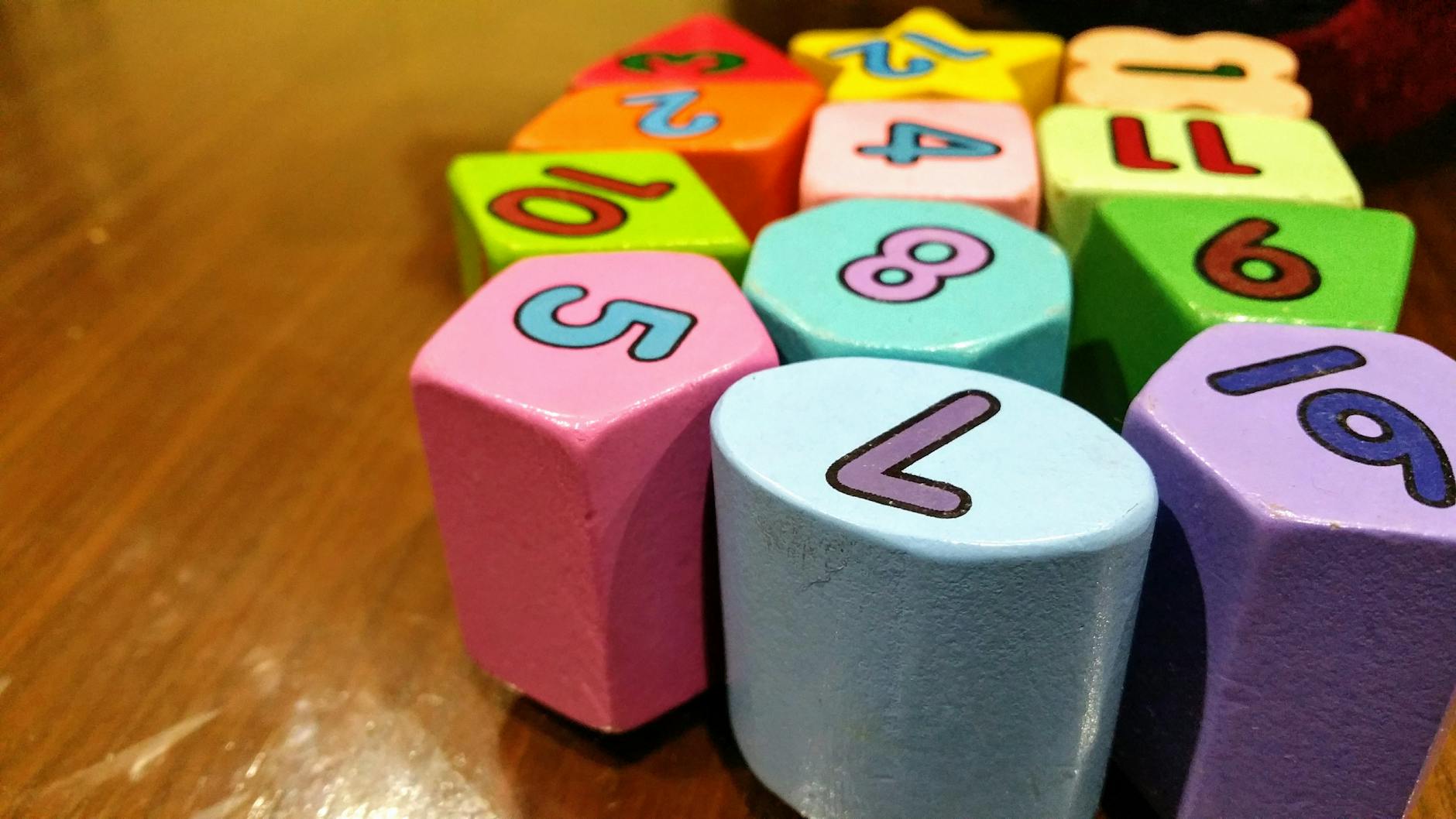
Math Games That Make Numbers Come Alive (Even for the Kid Who Hates Math)
My son cried at math worksheets for two years. Then we found games. Here are the ones that changed everything — no flashcards required.
 Curriculum
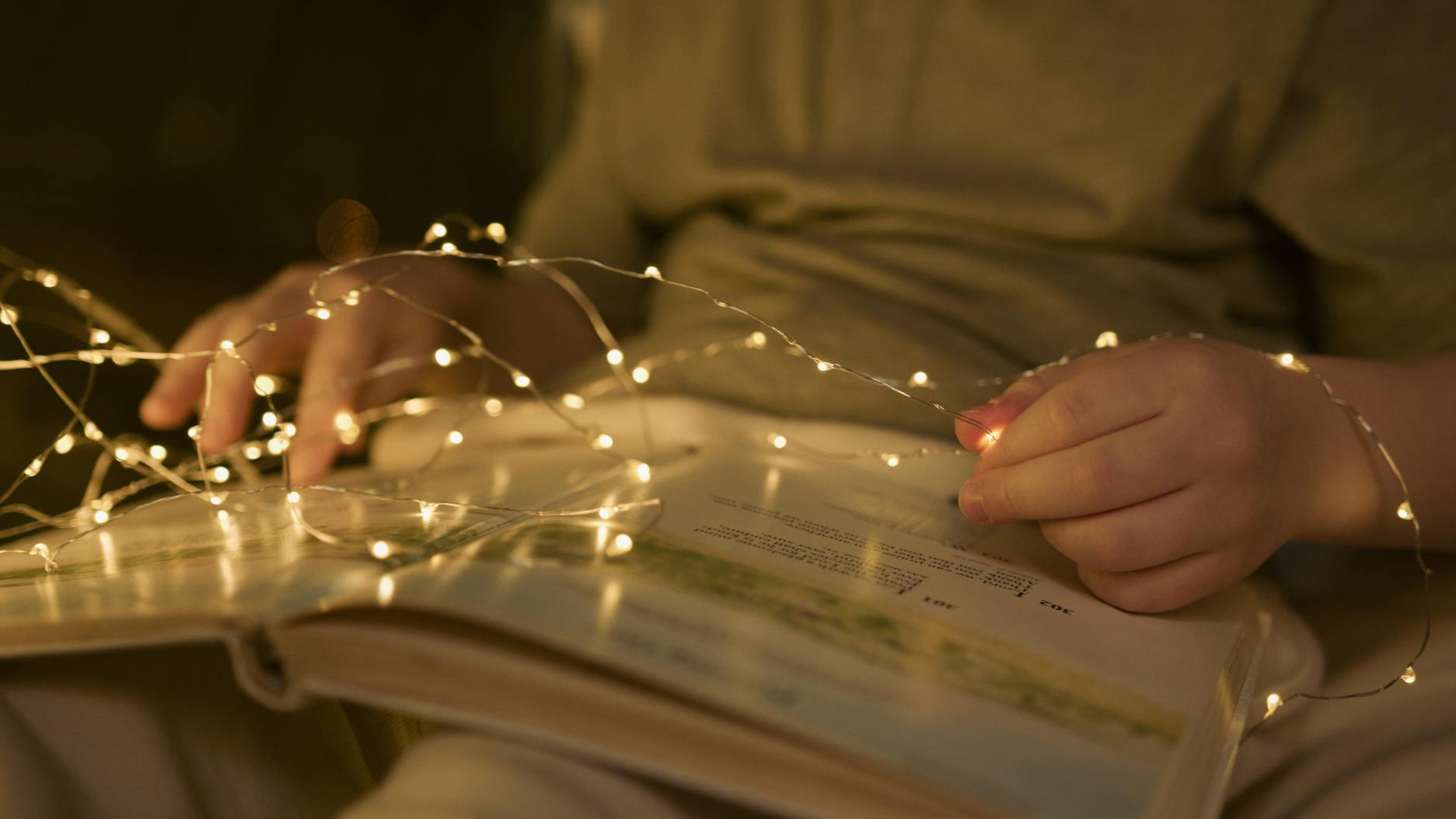
Living Books: What They Are and How to Find Them
Charlotte Mason's term for books that feel alive. Here's what makes a book 'living,' why it matters, and a list of the ones that have done the most for our homeschool.
 Curriculum
Teaching Writing at Home (When You Don't Feel Like a Writing Teacher)
Writing is the subject most homeschool parents fear most. Here's how we finally made it work — and the approach that produces the most growth for the least friction.