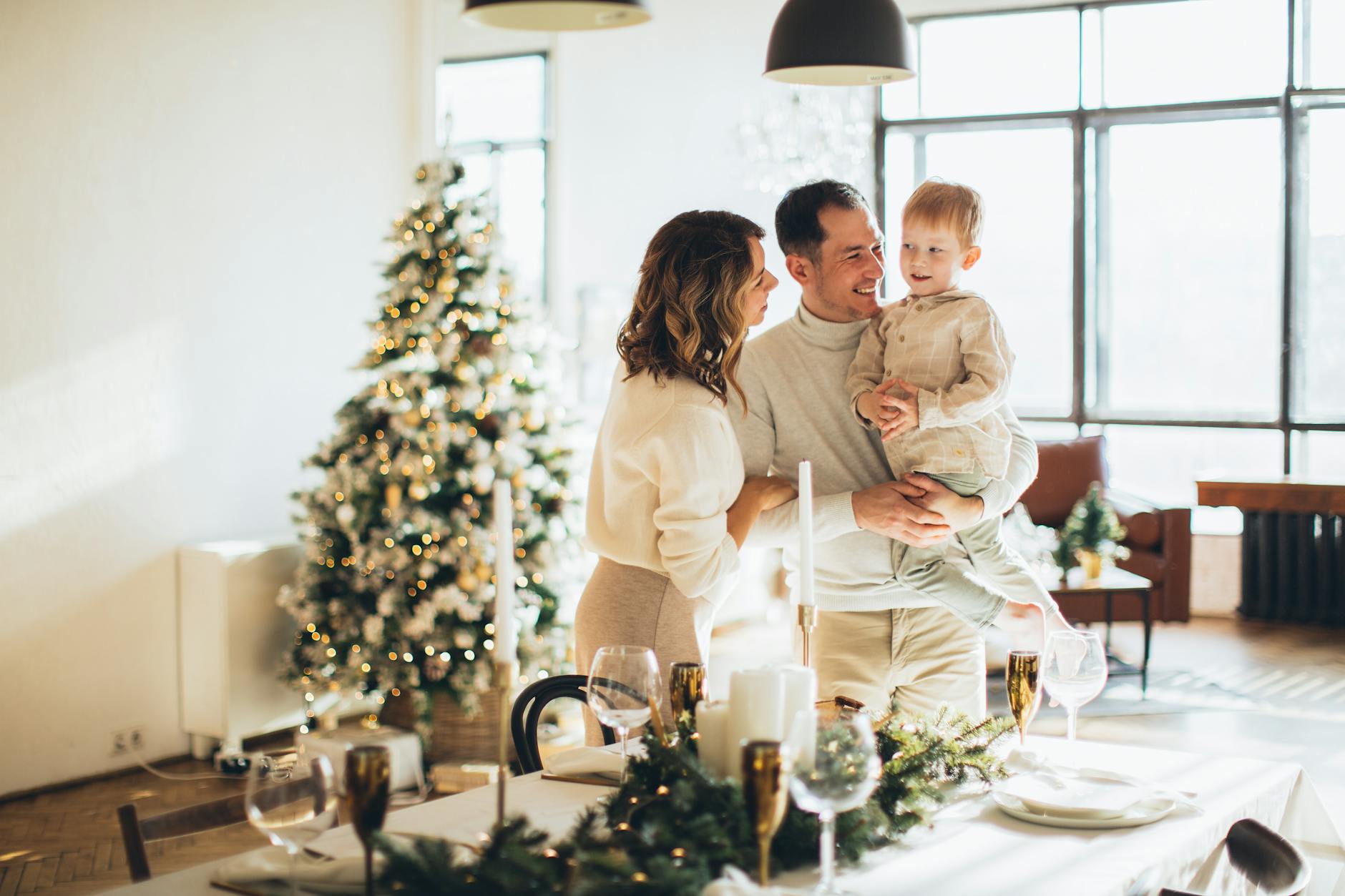
Homeschool Traditions That Make the Year Feel Like a Life
The rhythms and rituals that repeat become the texture of childhood. Here are the traditions that have accumulated in our homeschool over the years — the ones that are now expected and irreplaceable.
My oldest daughter can tell you exactly what the first week of school looked like when she was seven. Not because she has a good memory. Because we have done it the same way every year since.
A special breakfast. New pencils in her pencil case that she chose herself. A read-aloud of the first chapter of a new book. The conversation about what she wants to learn this year. The photo in the same spot by the window.
That is a tradition. It is small, repeatable, and costs almost nothing. And it has made September mean something different than August in a way that I did not plan when I started it.
Why Traditions Matter in a Homeschool
Conventionally schooled children have a built-in structure of traditions: first day of school, last day of school, the autumn rhythm of supplies and new notebooks, graduation. These are real. They mark time and create shared experience.
Homeschooling removes some of that structure. You can start in August or September or not at all. You can end when you have covered what you planned or when you feel like stopping. The flexibility that is one of homeschooling's greatest gifts can also produce a shapelessness that is harder to remember.
Traditions create shape. They mark time. They say: this is where one year ends and another begins. This is how we celebrate learning. This is what our family does.
Children are more grounded in their education when the year has a felt shape to it. A year that begins with intention and ends with celebration is a year that belongs to them in a way that a year that simply passes does not.
Traditions That Have Lasted in Our Home
The year-start breakfast. Whatever the first child requests, within reason. We eat it together before anything academic happens. This started as an attempt to reduce first-day anxiety. It has become something they talk about all summer.
Reading the same book to start each school year. We have a shelf of "first day books" — picture books and chapter books that have come out reliably at the start of a new year. The younger ones eventually graduate to the older ones. The progression marks how much they have grown.
The end-of-year celebration. At the end of each school year, we go to a restaurant the children choose. Each person names one thing they learned this year that surprised them. The answers are always unexpected and usually more meaningful than anything I could have planned to teach.
Nature study season. In autumn, when things are dying back and the light is changing, we do a concentrated nature study unit every year. Same time of year, same focus. My children now have years of nature journals documenting the same woods in the same season. The comparison is extraordinary.
The project exhibition. Once a year, each child presents a project they care about to an audience of adults — grandparents, family friends, anyone who will come. This is not a formal evaluation. It is a celebration. It has produced some of the best public speaking practice and some of the most genuine pride we have seen.
Small Traditions That Add Up
The Friday read-aloud. On Fridays we do no structured work. Just reading aloud all morning. This has been running for four years.
The question jar. A jar filled with questions we want to find answers to. We pull one out occasionally. Some of the questions sat in the jar for a year before we got to them. My son still talks about the question we pulled about why the sky turns red at sunset.
The bookshelf portrait. Every year at the same time, each child holds their year's reading in their arms — every book they finished — and I take a photo. The weight of the stack grows every year. They notice.
The learning map. We have a large map of the world on one wall. When a book is set somewhere, or a history unit covers a region, or a nature study includes a species from a particular place, we add a small pin or mark. After a few years, the map tells a story of everywhere learning has taken us. My youngest asks where we are going next.
Seasonal Traditions Worth Stealing
Some of the traditions I most love are tied to the calendar rather than the school year.
Every November we do a gratitude book. Each person in the family contributes a page a week for the month. At Thanksgiving we read through the whole thing. After five years, we have a stack of them. The children read old ones and say things like "I can't believe I cared about that."
Every January we do what we call a "deep reading month." No new curricula, no new projects. Just reading. Longer books, more time in the afternoon for independent reading, extra library trips. It is partly a recovery from the December chaos and partly just a gift I give to all of us.
In spring, when things are coming back outside, we do a phenology walk every week for six weeks. Same route, same notebook, noting what is different from last week. The practice of noticing small changes trains a kind of attention that is hard to teach any other way.
None of these are elaborate. All of them are things my children will probably do with their own families.
How Traditions Become Traditions
The traditions I have described started small. Some of them were not planned at all. The year-start breakfast happened because I was nervous about the first day and wanted to do something special. The next year, my daughter asked for the special breakfast. That is when a tradition starts.
You do not have to design a tradition. You have to do something intentionally and meaningfully, notice if it lands, and do it again.
The repeating is what makes it a tradition. The meaning grows from the repetition.
The second year is the hard year. The second time you do something, it is not automatic. You have to choose it again. You have to decide it is worth doing again. Most things do not make it to a third year. The ones that do are the ones that became traditions.
What are you already doing that could become something you always do?
What Happens When Traditions Break
Life interrupts. A year when everything falls apart because of illness, or a move, or a family crisis — the traditions go too.
That is okay. Coming back to them matters more than never missing them.
We missed the end-of-year dinner during the year we were moving across the country. The next year we did two: one for the year we had skipped and one for the current year. My daughter thought that was entirely reasonable and still talks about the year we had two end-of-year dinners.
Traditions are not rigid. They are living things. They can be adapted, paused, expanded, and sometimes retired when the children outgrow them. The point is not the specific form. The point is the intention behind the form: this matters to us, we mark it, we come back to it.
Traditions connect naturally with building family culture. And the morning basket is the daily ritual that most families find becomes a tradition of its own — the thing everyone expects at the start of every school day.
Written by
The High Vibe Homeschool Team
We are a homeschool family that has been doing this for seven years across three kids. We write about what we have actually tried, what failed, what surprised us, and what we would do again. No credentials. Just lived experience.
ENJOYED THIS ARTICLE?
Get more like it every week
Real homeschool life, in your inbox.
Keep Reading
More in Community
 Community
Homeschool Co-ops: How to Find One, Join One, and Know If It's Right for You
Co-ops can be the best part of your homeschool week or a significant source of stress. Here's what they actually are, how to find a good one, and the honest tradeoffs.
 Community
Building a Diverse Homeschool Community
Homeschool communities can be homogeneous by default. Building one that exposes your children to different perspectives, backgrounds, and experiences takes intention — here is how.
 Community
Homeschool Graduation: How to Make It Real and Meaningful
A homeschool graduation does not happen automatically. You have to build it. Here is what families who have done it well have in common — and what made ours worth remembering.