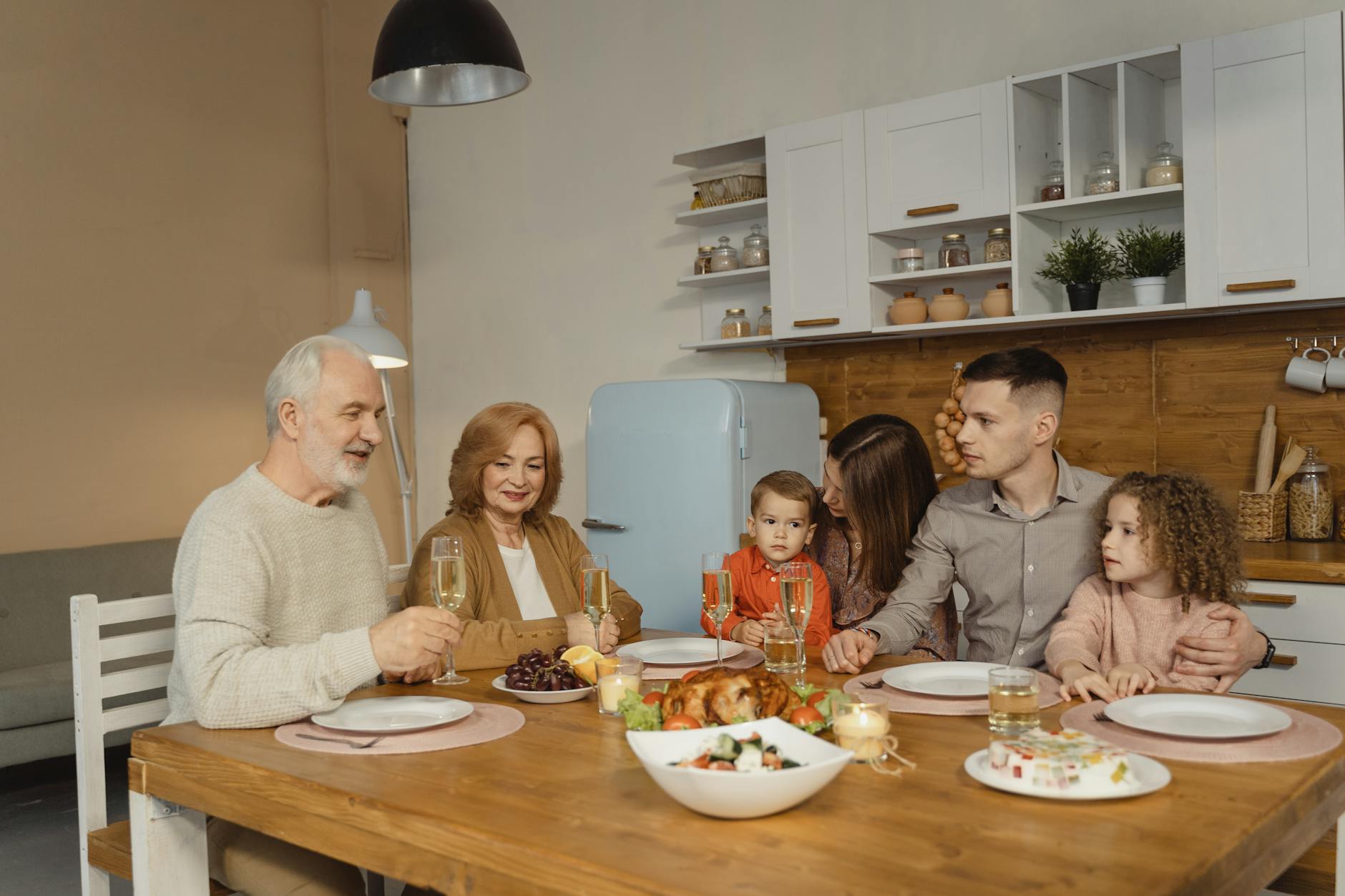
How Homeschooling Helped Us Build a Family Culture We Actually Love
One of the unexpected gifts of homeschooling is the time and space to build something you cannot find in a catalog: a family culture that is genuinely yours. Here is what that looks like and how to grow it intentionally.
I did not set out to build a family culture. I set out to teach my kids to read and not lose my mind.
But somewhere along the way, somewhere in the years of mornings together and books read aloud and dinners where we talked about things that mattered and rituals that developed without planning, I realized we had built something I did not have a word for.
My kids knew our family's stories. They knew what we valued and why. They knew our rhythms and our traditions. They had a sense of who we were as a unit that felt distinct and genuinely ours.
That is family culture. And homeschooling, more than anything else we have done, is what made it possible to build it intentionally.
What Family Culture Actually Is
Family culture is the invisible architecture of your family life. It is the shared stories and values and habits and rituals that give your family its particular character. Every family has it, even if they have never thought about it consciously. It develops whether you shape it or not.
The question is whether it develops by default, shaped by external pressures and whoever happens to have influence over your children in any given season, or whether it develops by intention, shaped by you.
Homeschooling gives you a significant advantage in this because you have time. Not unlimited time and not perfect time, but more time than most families have. You are together when things happen. You have shared experiences that become part of your family's story.
The Rituals That Build It
The most powerful building blocks of family culture are small, repeated things. Not the big vacations (though those matter too). The things that happen every week, every season, every year.
Morning time. Ours starts with everyone at the table, sometimes reading aloud, sometimes talking about whatever is on people's minds. This has been so consistent for so long that it feels like the container the whole day pours into.
Read-aloud books. The books we have read together over the years are a shared reference point. We still quote things from books we read years ago. "That reminds me of what that character in that book said" is something I hear from my kids regularly. Books become part of our shared vocabulary.
Seasonal traditions. What do you do at the start of fall? What signals the end of school for the year? What is your family's version of celebrating the solstice, or the first snow, or the beginning of spring? These moments, repeated year after year, accumulate into a felt sense of our family's relationship with time and the natural world.
Table conversations. Some of the most important conversations we have had as a family have happened over dinner. Not big intentional "family discussions," just the everyday practice of asking each other real questions and actually listening to the answers.
Small Rituals That Have Stuck in Our House
I want to be specific because the general advice to "create rituals" is not very useful. Here is what has actually become culture in our family, through repetition and genuine enjoyment rather than through planning:
Friday afternoon baking. My youngest took ownership of this at age six and it has been a Friday thing ever since. It started as a school activity and became a family expectation. She would be genuinely upset if it did not happen.
The end-of-book celebration. When we finish a long read-aloud, we mark it. Not a big production — sometimes just a special dessert or choosing the next book together with some ceremony. This signals that finishing a hard book is worth celebrating.
Nature journal Saturdays when the weather cooperates. Everyone gets their journal and we spend an hour outside. My teenagers groan about this occasionally and then get absorbed in something and forget to stop.
A question at dinner most nights. One person asks a question and everyone answers. Silly questions sometimes. Serious ones other times. This has generated more real conversation than anything else we have tried.
None of these were planned as culture-building strategies. They worked and so they stayed.
The Values Layer
Beyond rituals, family culture is built on values. And values are taught more by how you live than by what you say.
What do you want your children to grow up believing about the world? About their own worth? About other people? About failure, and curiosity, and beauty, and work?
Homeschooling gives you the opportunity to be intentional about what books your children read, what ideas they are exposed to, what adults they spend time with, what kind of work they see you doing and why. This is enormous. You are not competing with a thousand other influences during the main hours of the day. You are the primary architect of your children's intellectual and moral formation during those years.
That is a responsibility. It is also a gift.
How to Be Intentional Without Being Forced
There is a difference between a family culture that grows naturally from genuinely held values and one that is imposed from the outside because a homeschool blog told you to create rituals.
The second kind does not stick. Children can tell the difference between a tradition that feels real and one that is being maintained for the sake of the idea.
The first kind grows when you pay attention to what your family already gravitates toward. What do your kids ask to do again? What conversations do they bring back up days later? What moments do they reference as good ones?
Start there. Repeat the things that feel genuinely good. Let go of the ones that feel like work for its own sake.
The Stories You Tell
Families are built on stories. The stories we tell about where we came from, the funny things that happened, the hard things we got through together, the moments that changed us.
Be intentional about your family's stories. Tell them often. Make sure your children know their grandparents' stories, the history of your family, and the stories of people who lived differently than you.
And do not underestimate the stories your children are living right now. The day you all got lost in the state park and had to find your way back. The book that made everyone cry. The science project that failed spectacularly and then sort of worked. The year everyone got the flu and you watched six movies in a row and made soup and it became a weird good memory.
These small stories are accumulating into the story of your family. Homeschooling puts you in the room for most of them.
An Honest Note
Building family culture is not always comfortable. Sometimes being together this much reveals friction and conflict and the hard places in relationships that might stay hidden if you spent less time together.
That is okay. That friction is real and working through it together is also part of your culture. The families I admire most are not the ones who have figured out how to avoid conflict. They are the ones who have built enough trust and shared language to move through conflict and come back to each other.
That takes time together. Time is what you have.
Use it well.
Homeschool traditions are the specific, repeatable practices that make family culture visible and memorable. And the morning basket is the daily ritual most families find becomes the connective tissue of their school year.
Written by
The High Vibe Homeschool Team
We are a homeschool family that has been doing this for seven years across three kids. We write about what we have actually tried, what failed, what surprised us, and what we would do again. No credentials. Just lived experience.
ENJOYED THIS ARTICLE?
Get more like it every week
Real homeschool life, in your inbox.
Keep Reading
More in Wellness
 Wellness
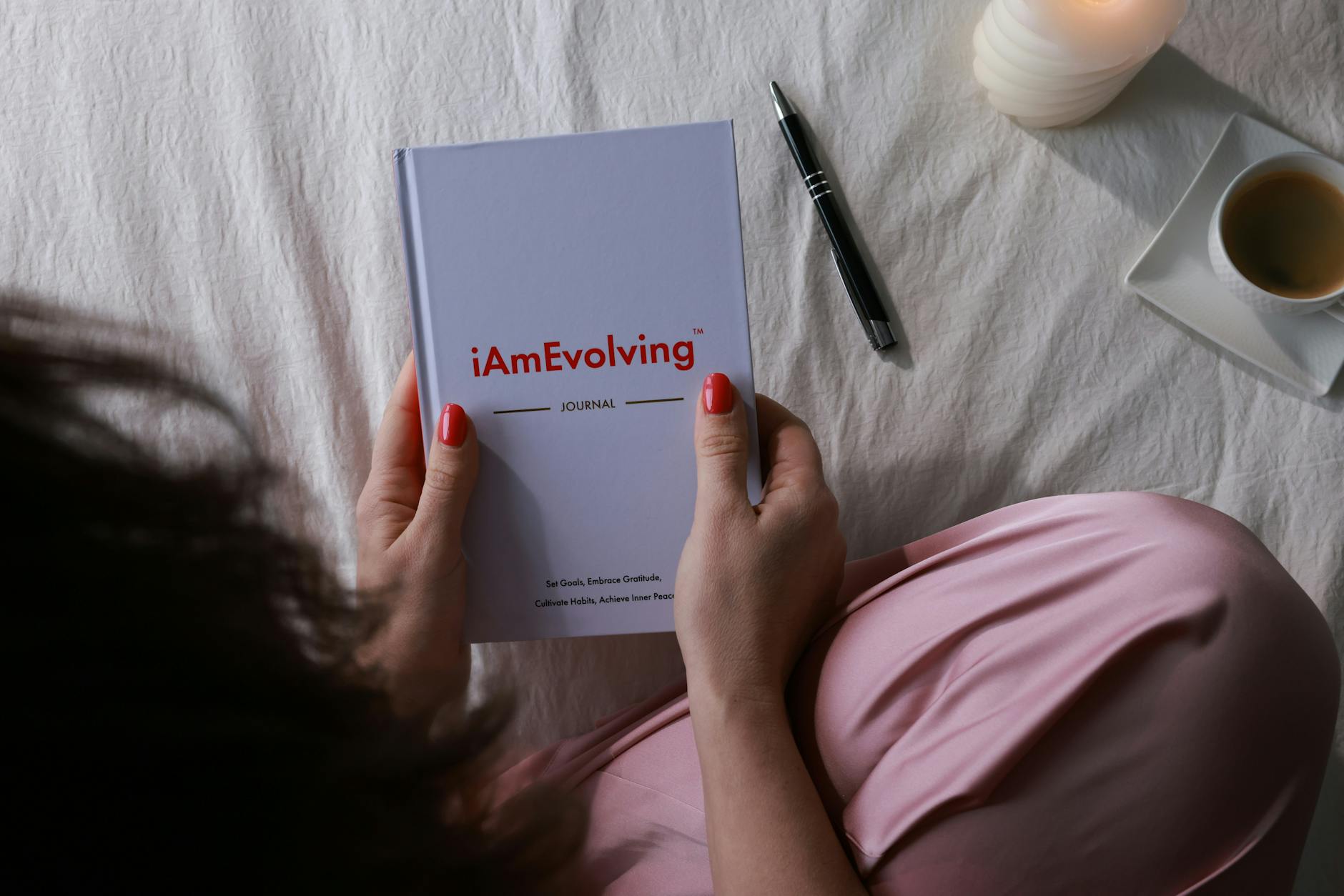
Gratitude as a Homeschool Practice: Why It Changes Everything
A brief, concrete practice that has changed the tone of our homeschool days — and why starting with what went right is more powerful than most curricula I have ever purchased.
 Wellness
Daily Self-Care for the Homeschool Mom (That Actually Fits in Real Life)
Not a five-step morning routine. Not an hour of meditation. The small, sustainable practices that keep homeschool moms functioning on the ordinary days.
 Wellness
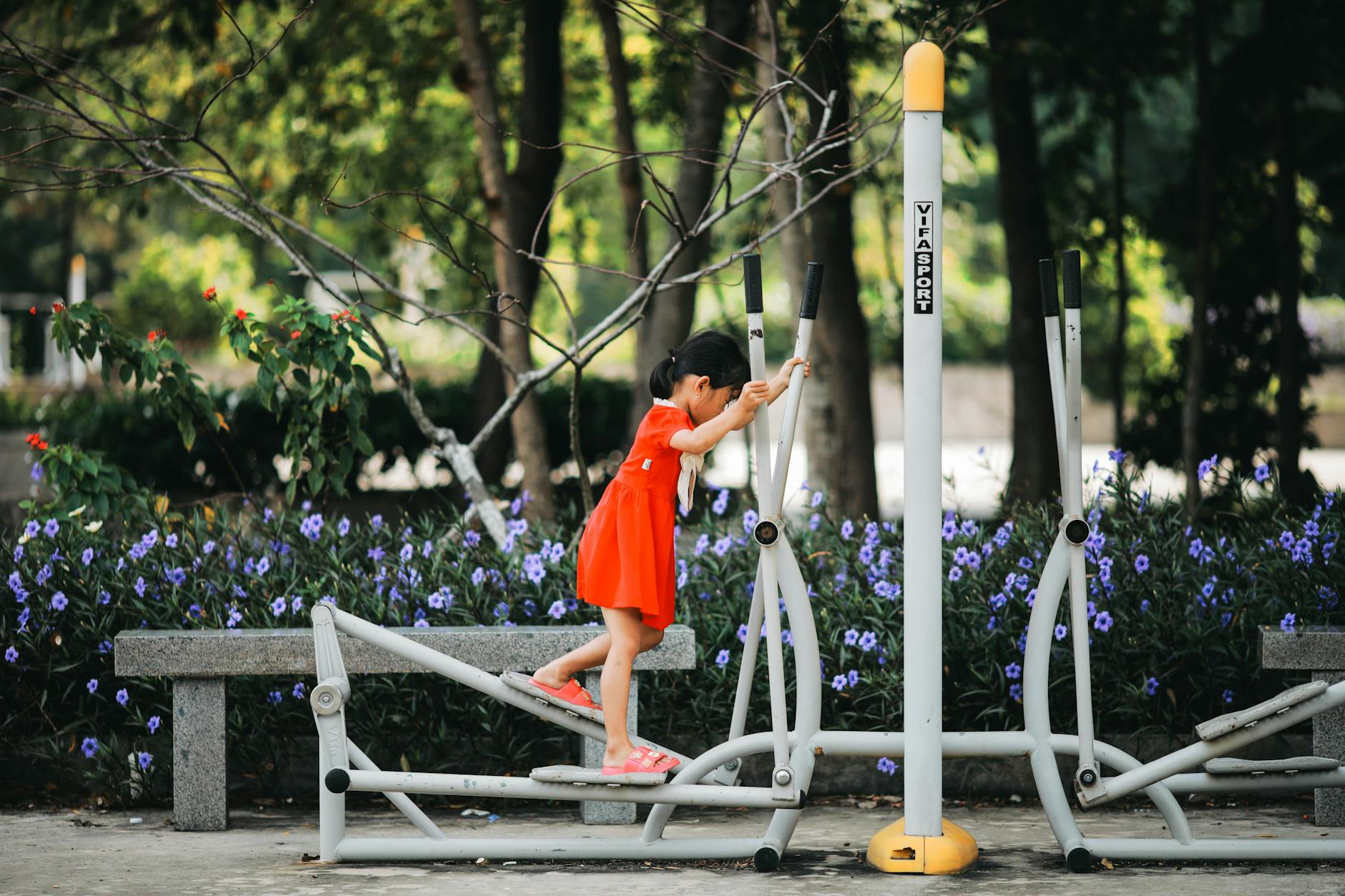
Movement in Your Homeschool Day: Why It's Not a Break From Learning
The research on movement and learning is clear enough that I now consider it non-negotiable. Here is how we have woven physical movement into our school day in ways that do not feel like P.E. class.